Experimental Photography - How I found my Vision on Dartmoor
Many of the photographs I've been the proudest of were made with equipment most photographers wouldn't take seriously. A home converted TV lens, a projector lens attached to my camera with a bodged together cardboard tube and some gaffer tape, or a £20 point and shoot film camera from eBay.
I grew up learning photography the slow way, incorrectly loading film, developing my own film in the kitchen, hours in a darkroom, making mistakes, and discovering that most of those mistakes were more interesting than the so called "correct" images. I think that instinct has shaped my philosophy on Photography.
This page is far from a polished showcase. It's more of a peek into the mind of a curious experimenter. Various film processes, homemade optics, large format camera projects on Dartmoor, and the occasional happy accident that regularly ends up thrilling me like a “perfect” image never could. If any of my work looks odd to you, that's probably why I like it 😍
I still shoot and develop my own black and white 35mm film and 4x5 large format images in my makeshift darkroom. I still mount cheap vintage lenses, TV lenses, enlarger lenses, and occasionally things I've assembled myself onto my digital camera. The results are always chaotic, rarely beautiful, but always very “me”.
If you're interested in developing your own photographic voice rather than copying someone else's or chasing the impossible (pleasing everybody) you might enjoy my Dartmoor Photography Workshops 💚📷
All of my work could be described as experimental, if anybody tells you they have nothing left to learn, they are a liar. Or, at the very least, incredibly naïve 😁
Stay Curious - that’s a tenet of my way of looking at photography - If you’d like to see a little bit more into how my mind works take a look at my “Curious Photography”

Experimental Optics - Vintage Lenses, CCTV Lenses & Homemade Glass
When I was younger, there was only film and I learnt photography in a darkroom mostly with cheap, affordable, borrowed and makeshift equipment.
I still use old film camera lenses today and although my kit might be a little more expensive than previously, it’s still not even close to top end.
Photography is both art and science, but without the art the science is rather redundant.
You can create works of beauty with a £75 camera and a £22 CCTV lens 😍
I also still shoot and develop my own black and white 35mm film and 4x5 Large Format images and print them in my makeshift darkroom.

Experimental Optics - Vintage Lenses, TV Lenses & Homemade Glass
I still shoot and develop my own film and I love finding new lenses to try on my camera … I’ve even been known to hot glue a lens to an adapter 😁
Being creative doesn’t mean having to have the perfect tools, it means having the initiative to be innovative 😍

Hex Bokeh Bracken - Shot with a home converted 75mm TV Lens

Wistmans Wood - Shot with a Cosmicar 25mm TV Lens

Enlarger Lens used to shoot by the River Dart

Analogue Reflection - Home Developed Black & White Film of the River Dart

I'm Late! Experimenting with props and artificial light in the woods

Merrivale Stone Row shot on on Colour Film

Gorse on Dartmoor - Shot with a Helios 44-2 with reversed front element

Badly home developed Black and White Film! Sometimes failing is learning

Spiders Web - Shot on a Homemade Lens
I still shoot and develop my own film and I love finding new lenses to try on my camera … I’ve even been known to hot glue a lens to an adapter 😁
Being creative doesn’t mean having to have the perfect tools, it means having the initiative to be innovative 😍

Colour Film - Push Processed and Developed in Black & White Chemistry 😜

Homemade Tilt-Shift Lens image of a friends horse

Pinhole Camera Experiment of a building in Buckfastleigh in Devon

Nettles shot on a Helios 44-2 With Reversed Front Element

In the forest with the converted TV lens

Holly shot on Black and White Film - Push processed and home developed
35mm Film Photography on Dartmoor
Here’s some more random film work - I develop all my own black and white film and get most of my colour film laboratory developed for me.
Though I have used the brilliant BelliniFoto C-41 processing kit and loved it.
Large Format Photography - 4x5 on Dartmoor and Devon
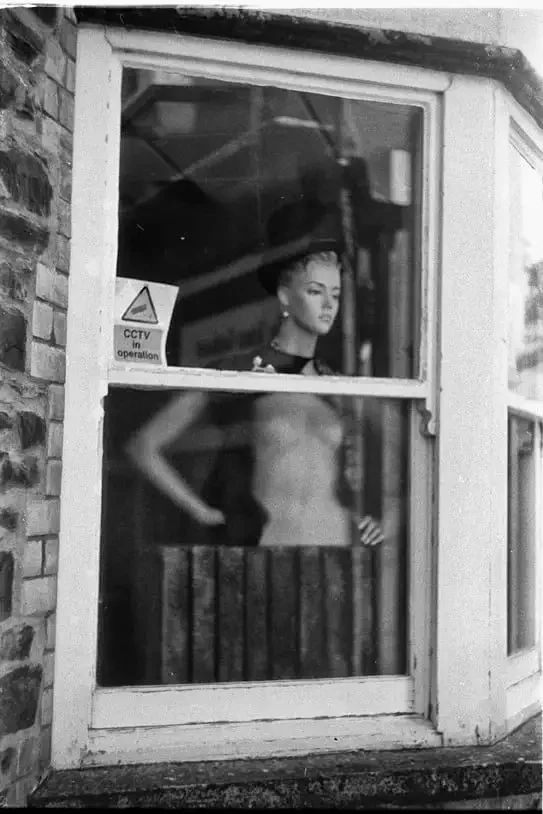
Mannequin in a shop window in Okehampton, Devon. Shot on black and white film and home developed and scanned
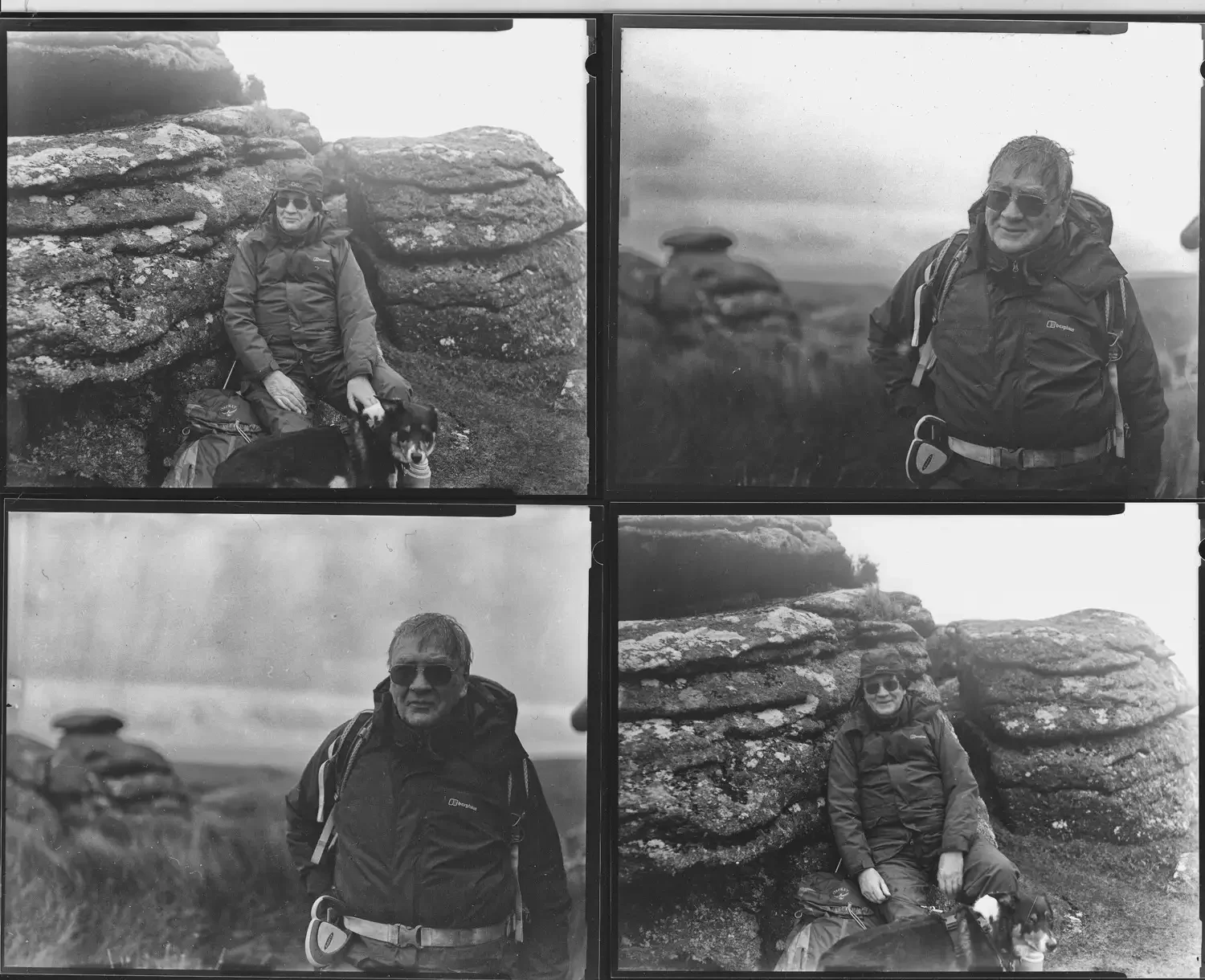
Clive Darke on Shelstone Tor. Four contact prints of images taken with the large format field camera. Film developed and printed by Glavind Strachan Photography
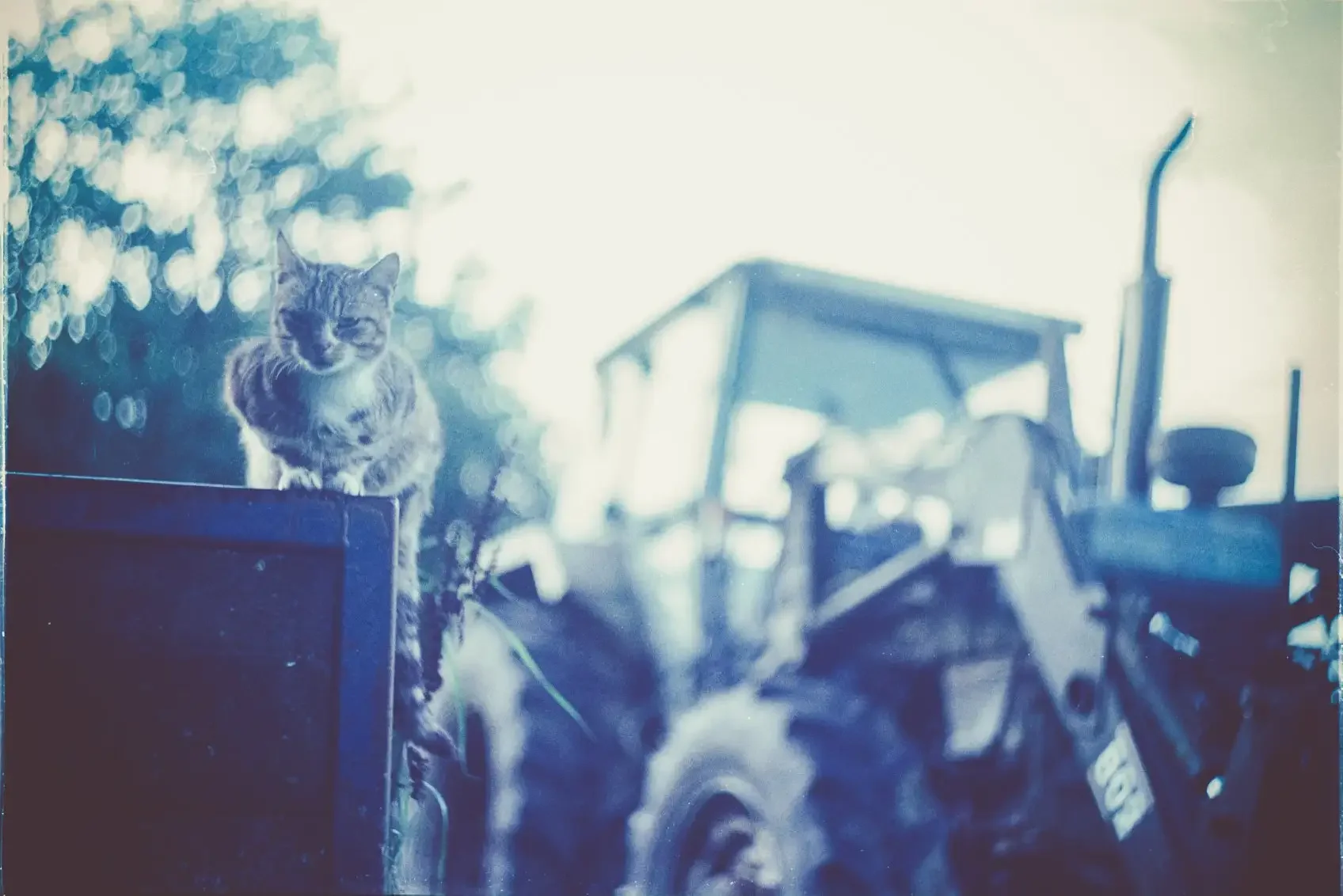
Colin the cat sat watching me and hoping for a feed. Shot on colour film and home processed with a Bellini C-41 Kit
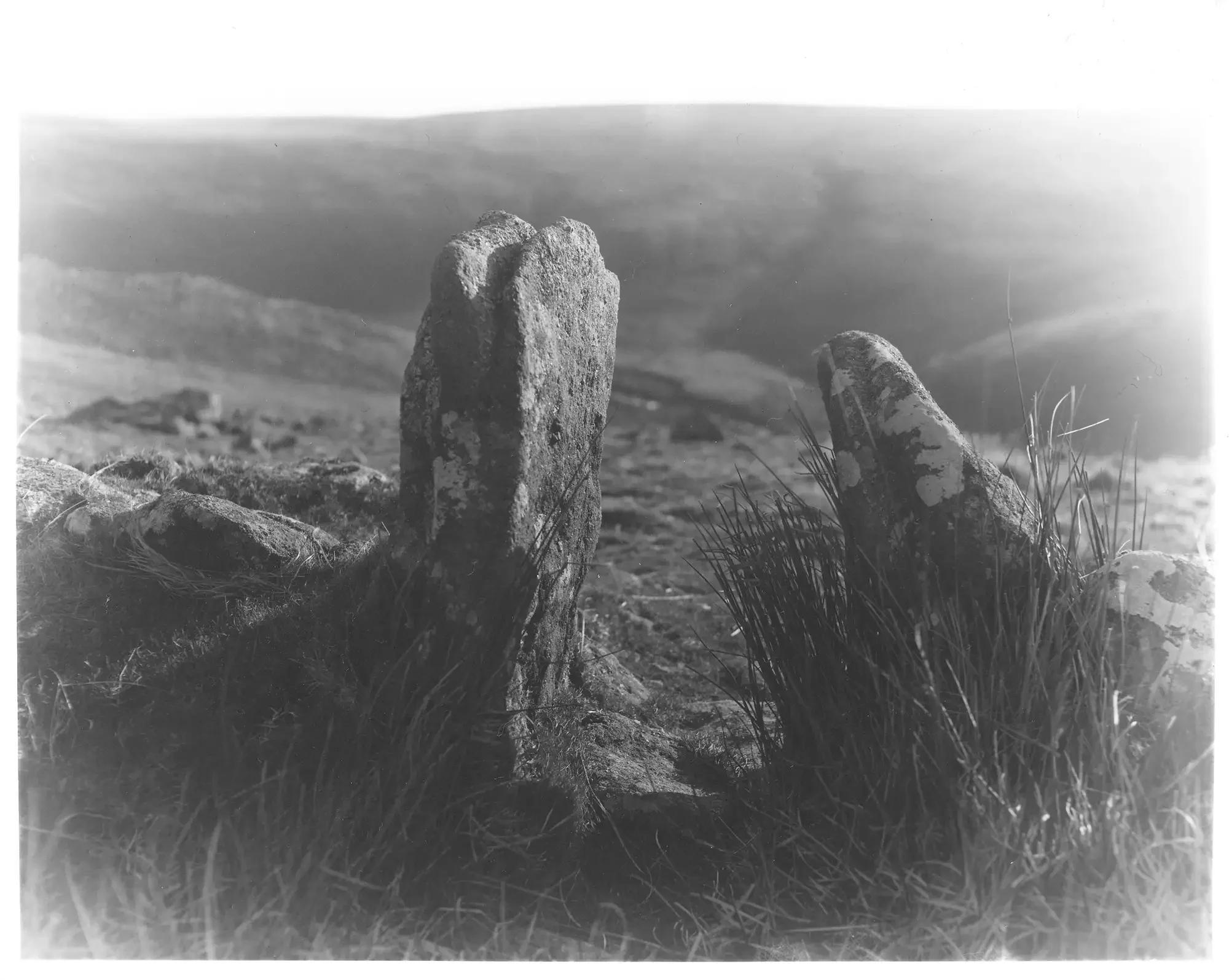
The entrance way to a hut circle overlooking Tavy Cleave on Dartmoor - image shot on a large format MPP Micro Technical Camera 4x5. Developed and printed by Glavind Strachan Photography
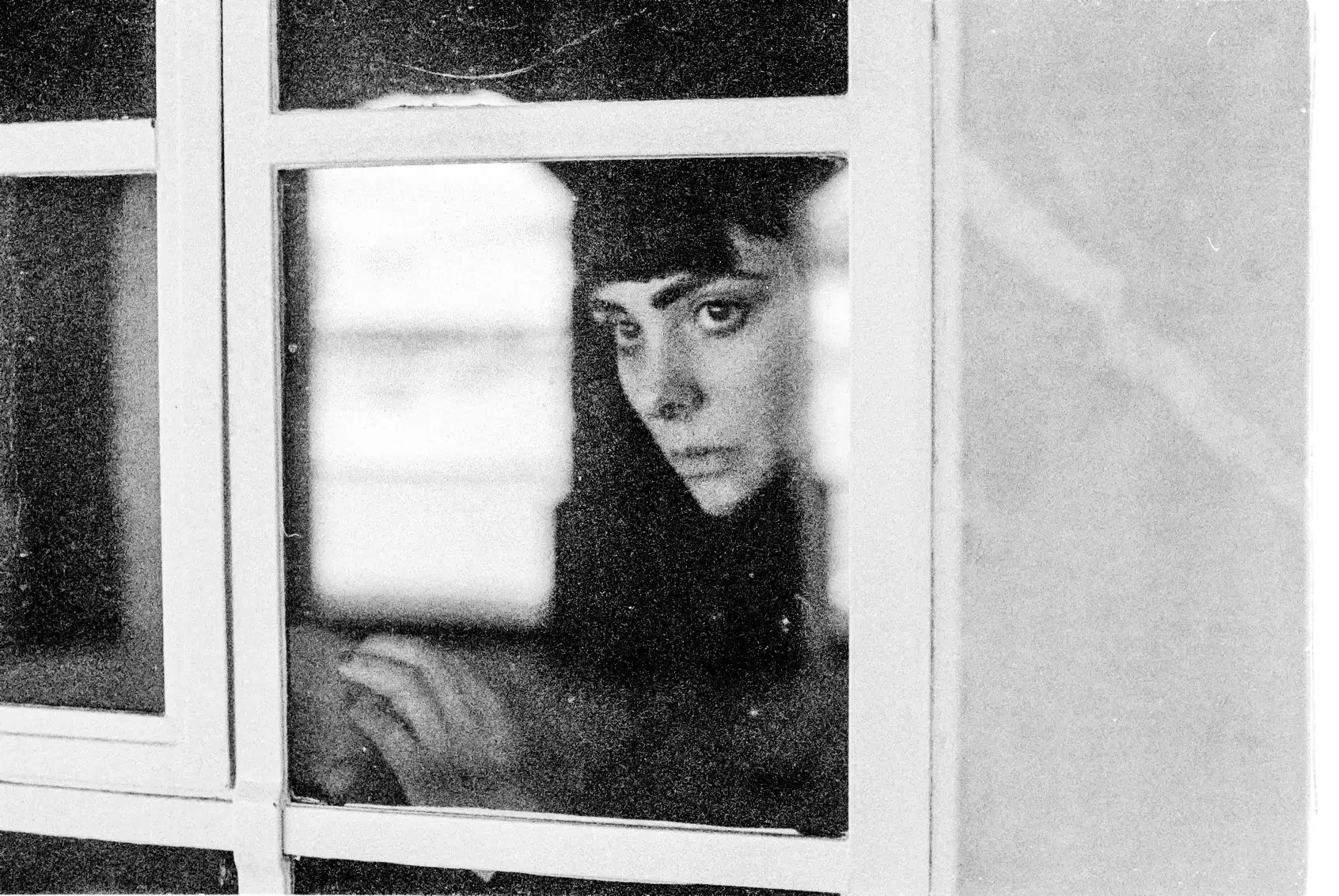
Lisa - shot at The Royal William Yard in Plymouth on black and white film and developed and scanned at home - a New Wave Cinema vibe going on!
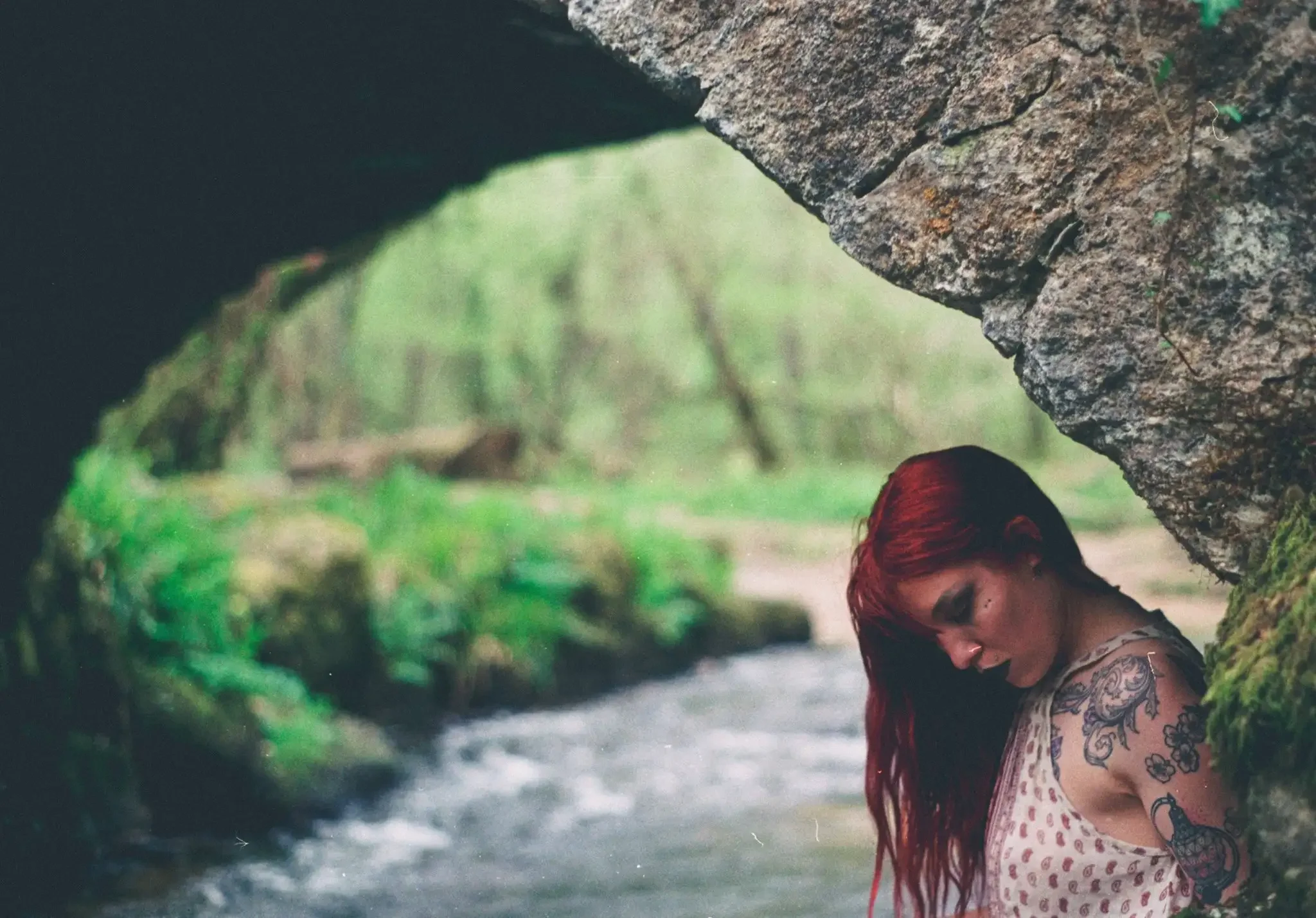
Sky looking amzazing under Hisley Bridge on Dartmoor - Shot on colour film and home developed by Glavind Strachan Photography
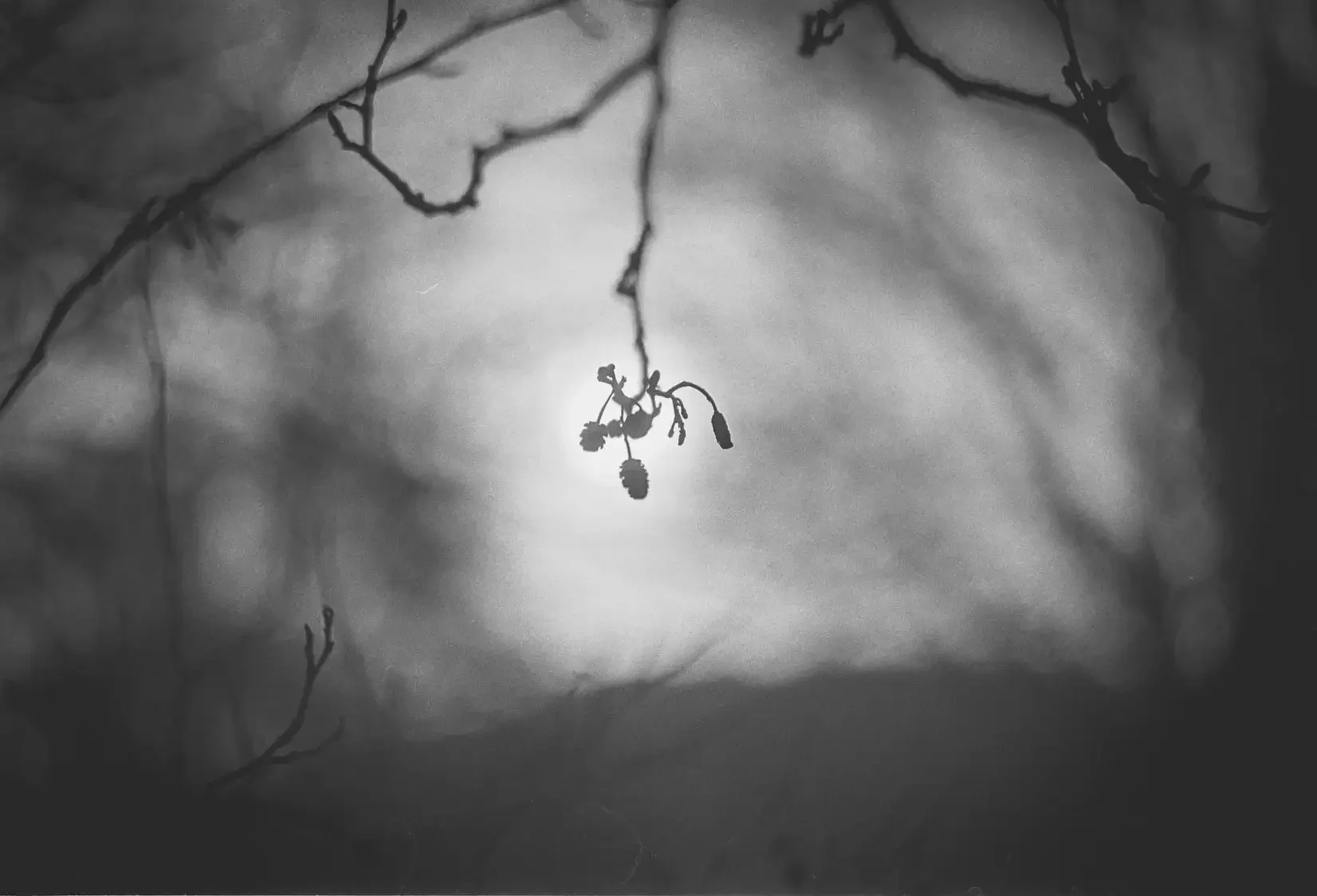
Black and white photograph shot on film on a walk near Dartington in Devon.
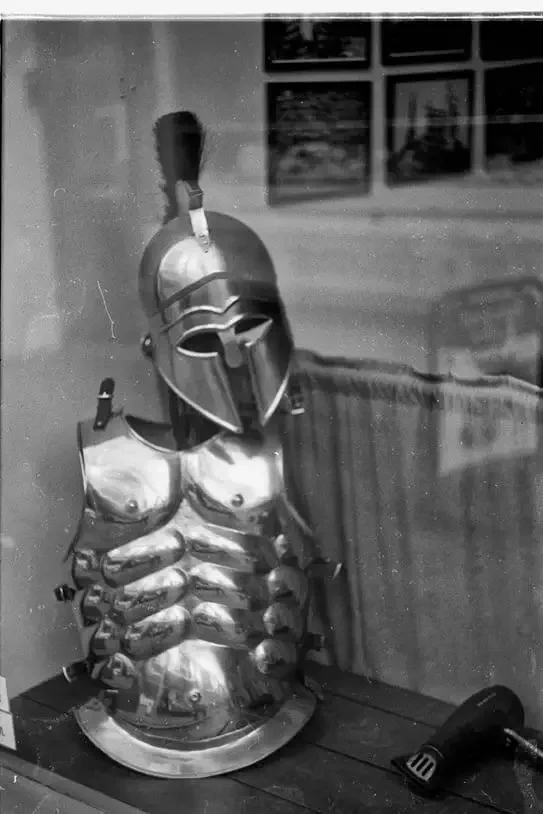
Street Photography, a suit of armour in a second hand store in Okehampton, Devon. Shot on film and home developed and scanned.
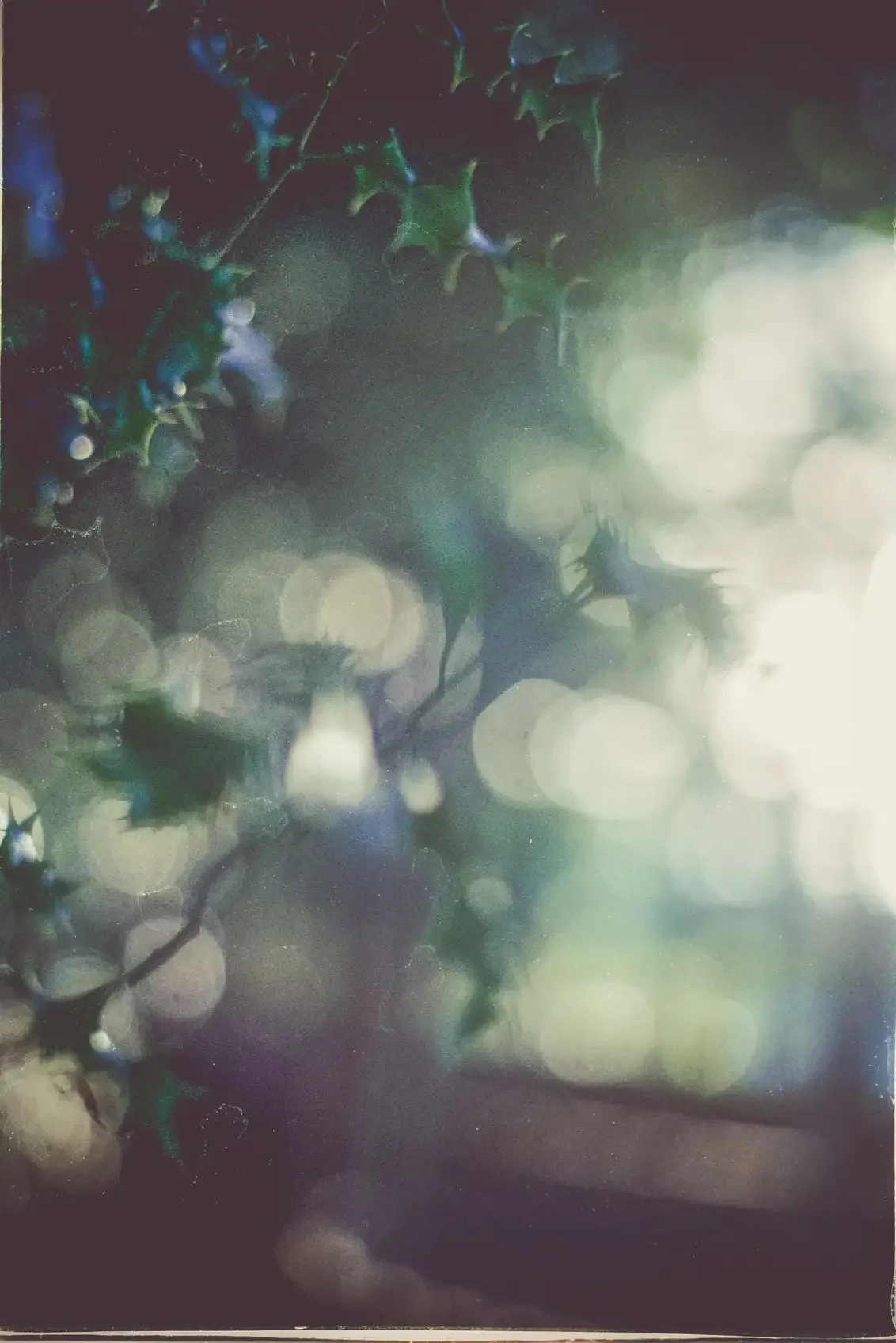
Holly shot on colour film, so much more difficult to shoot with a wide open aperture with film!
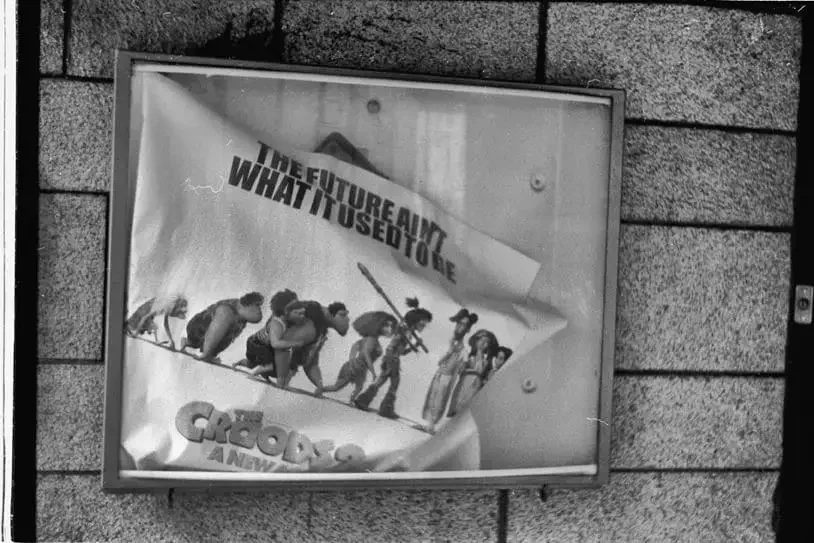
Black and white film at the cinema in Okehampton, Devon. Fomapan 100 developed in Ilford ID-11
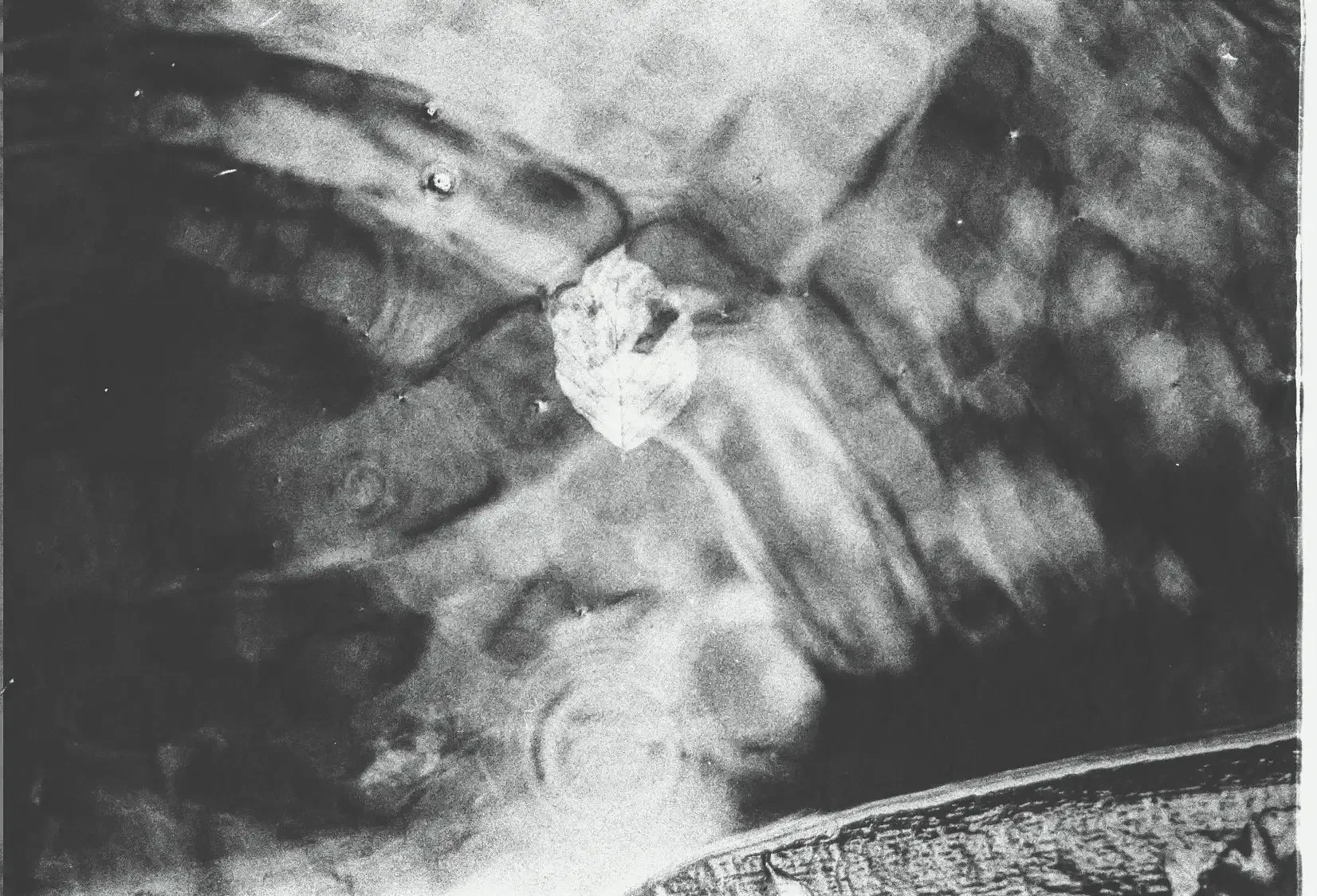
A leaf underwater on the River Dart on Dartmoor. Shot and developed on film
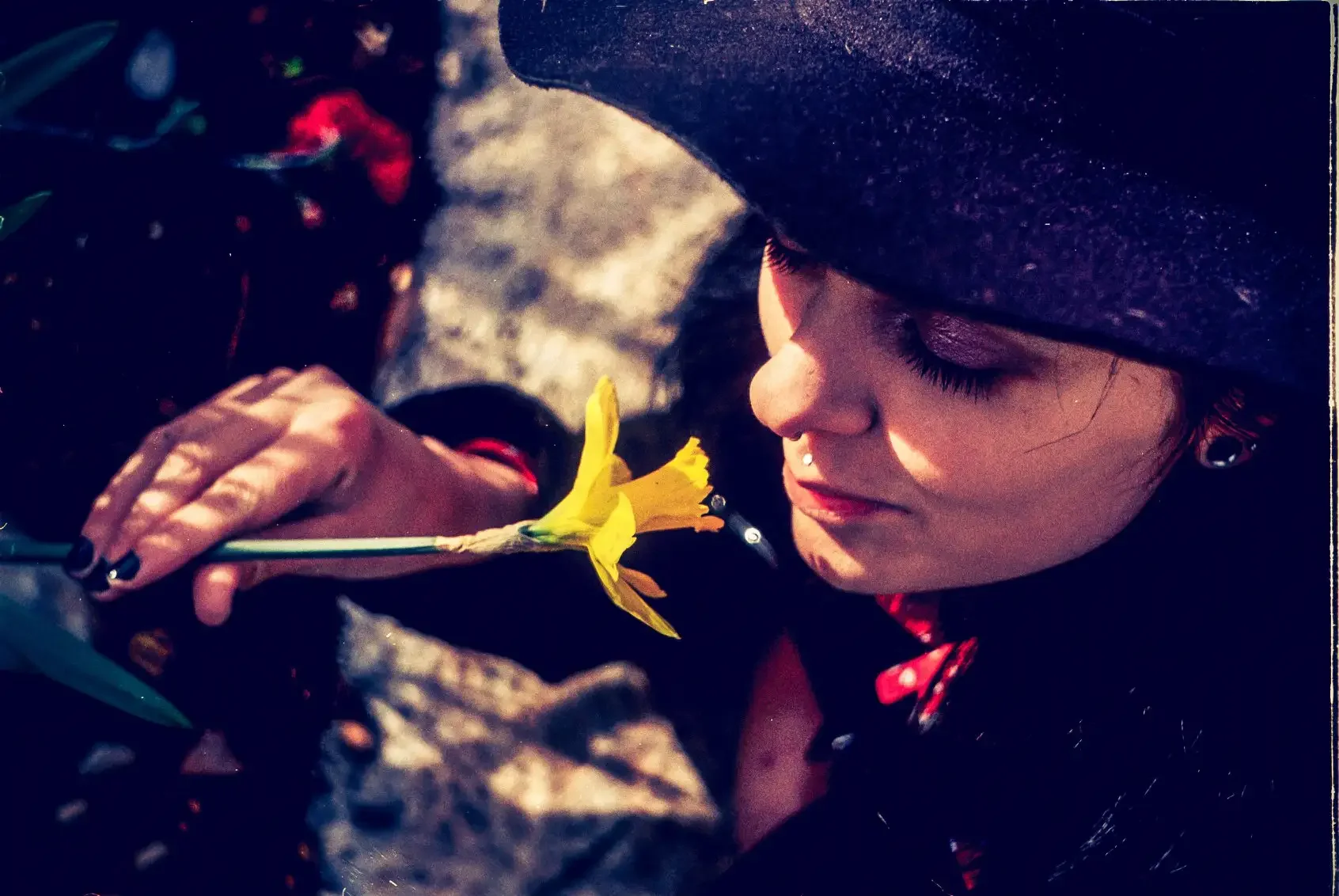
Lisa with a daffodil, shot on colour film in Plymouth, Devon
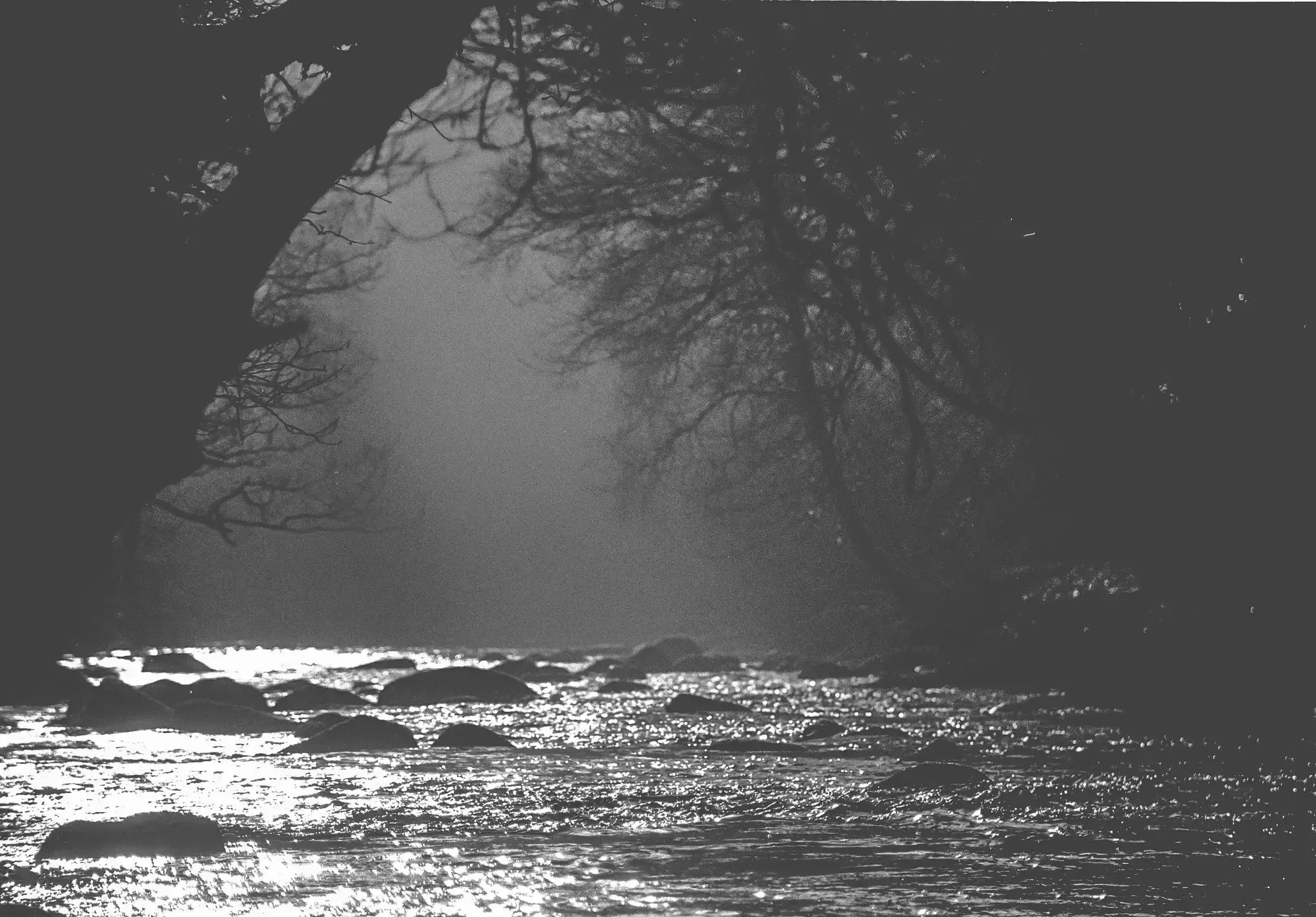
Early morning haze on the River Dart shot on Fomapan and developed and scanned at home
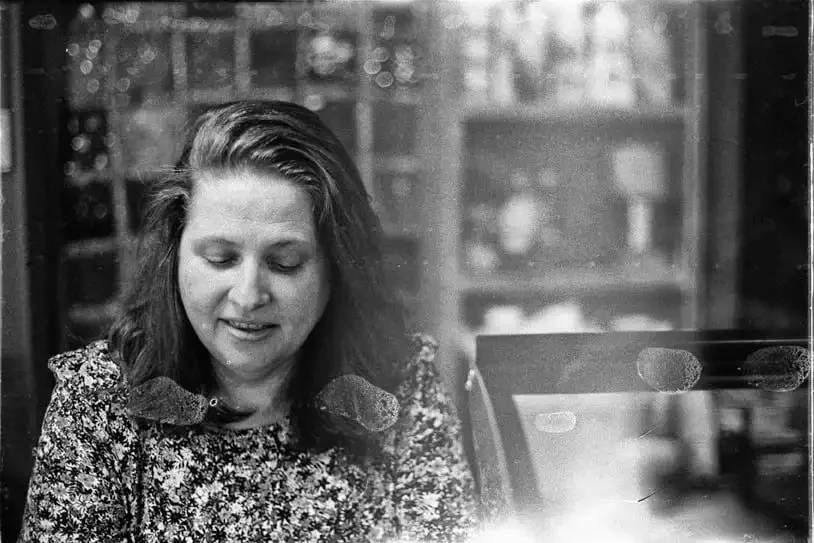
Portraits of Okehampton people, shot on film (added light leak)
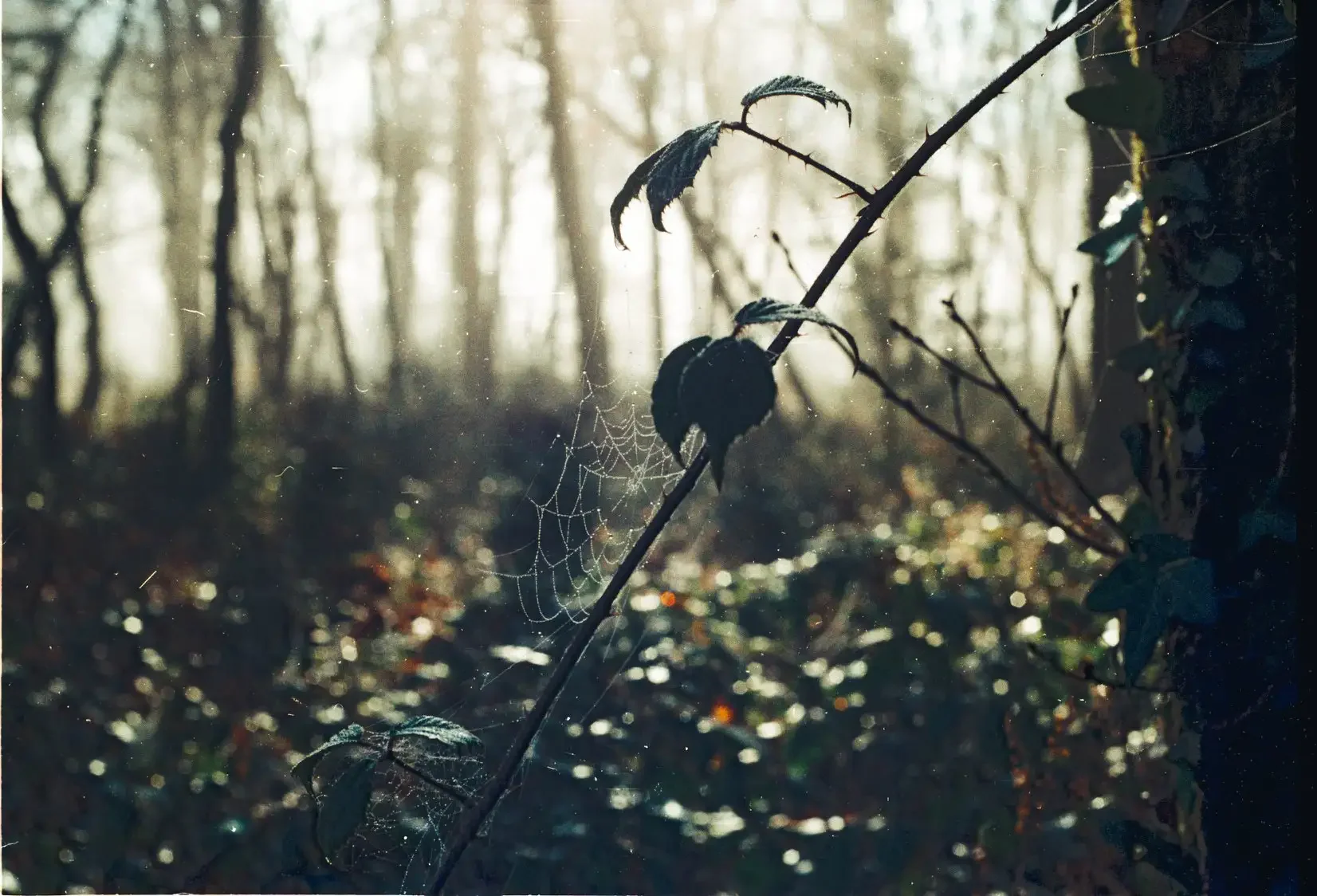
Colour Film image of brambles in the mist in Hembury Woods
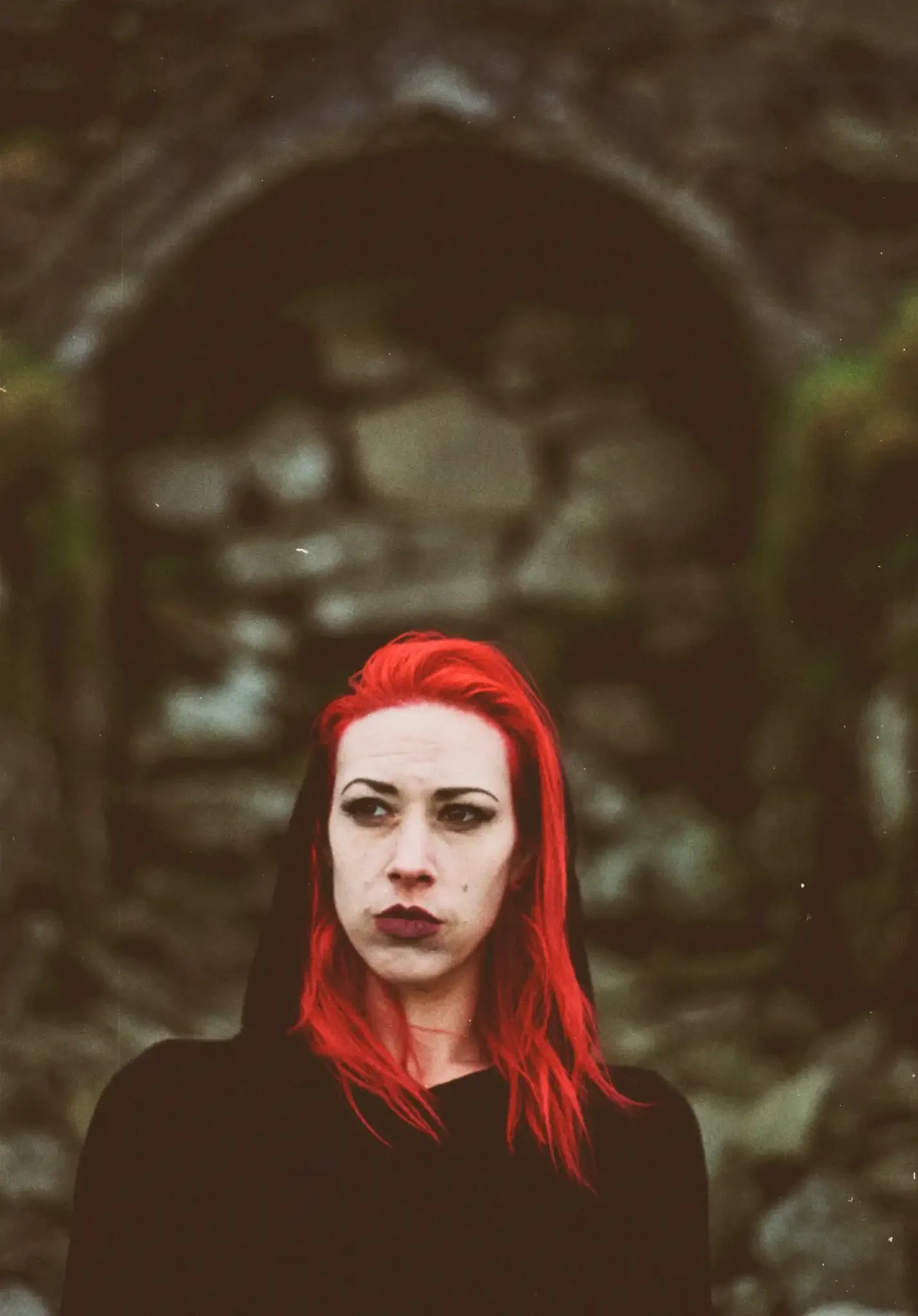
Donna at Foggintor Quarry on Dartmoor, shot on colour film
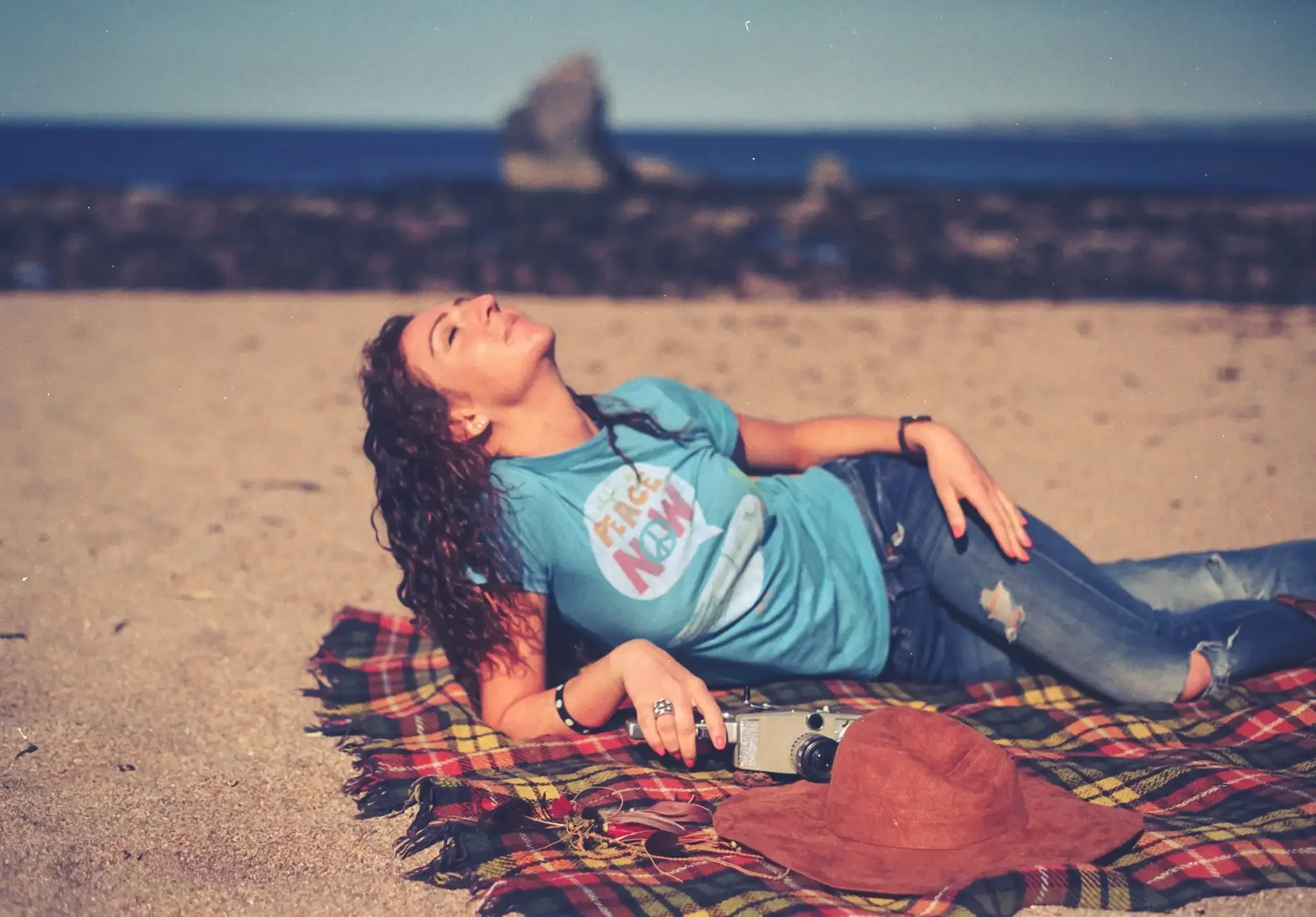
Hippy vibe photoshoot shot on colour film
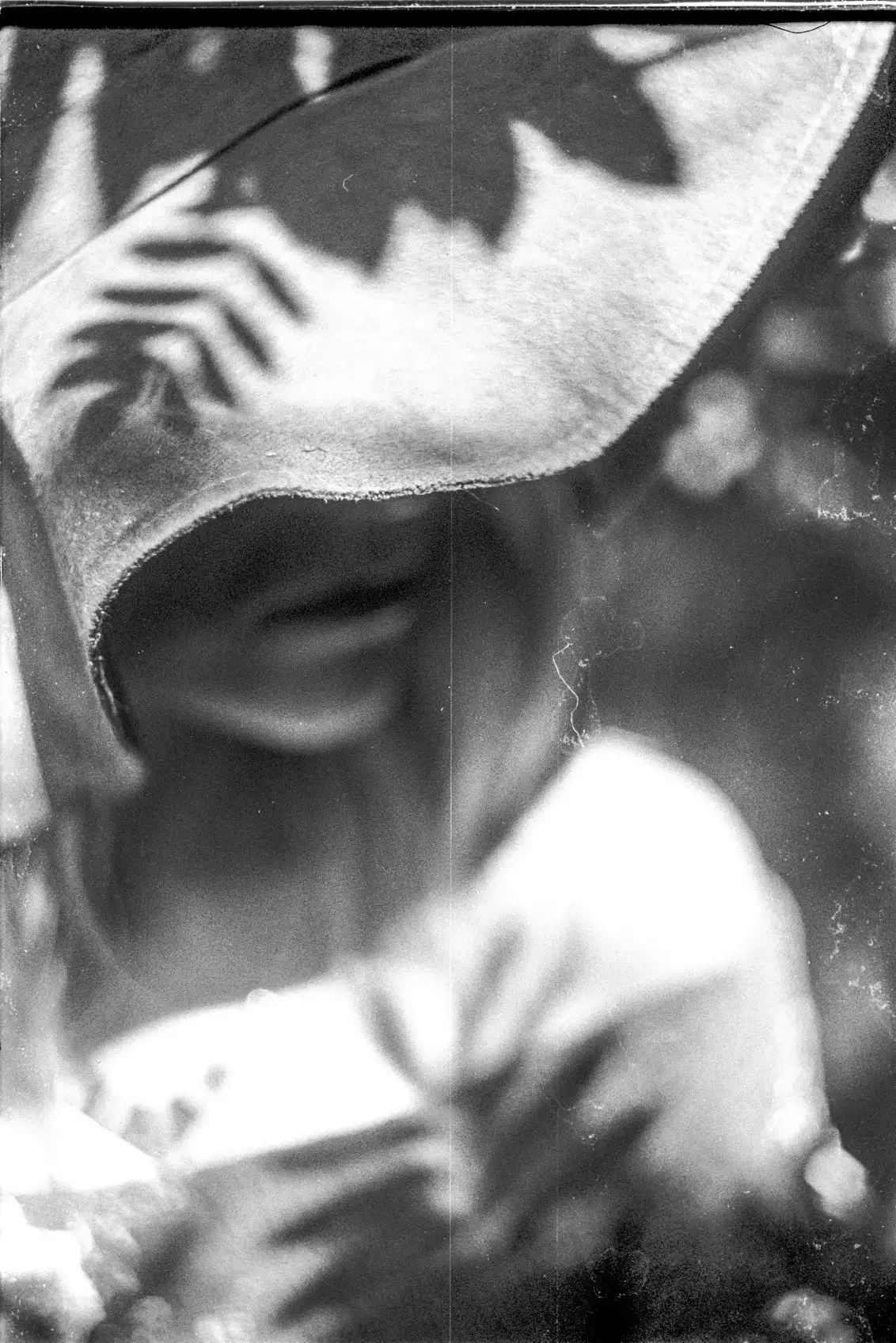
Charlotte in Simmons Park in Okehampton, shot and developed on black and white film
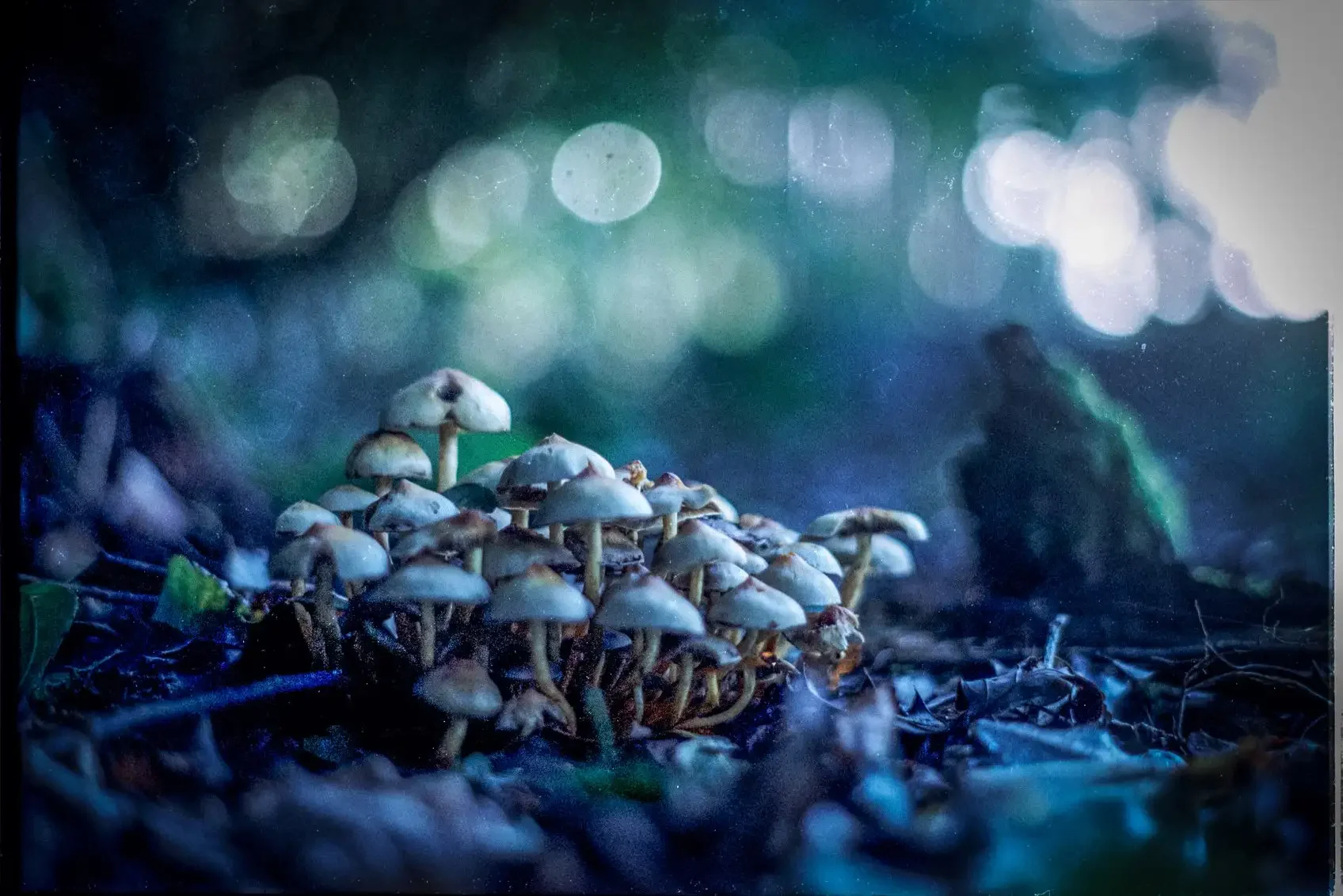
Cluster of mushrooms shot on film and home developed using a Bellini C41 Kit
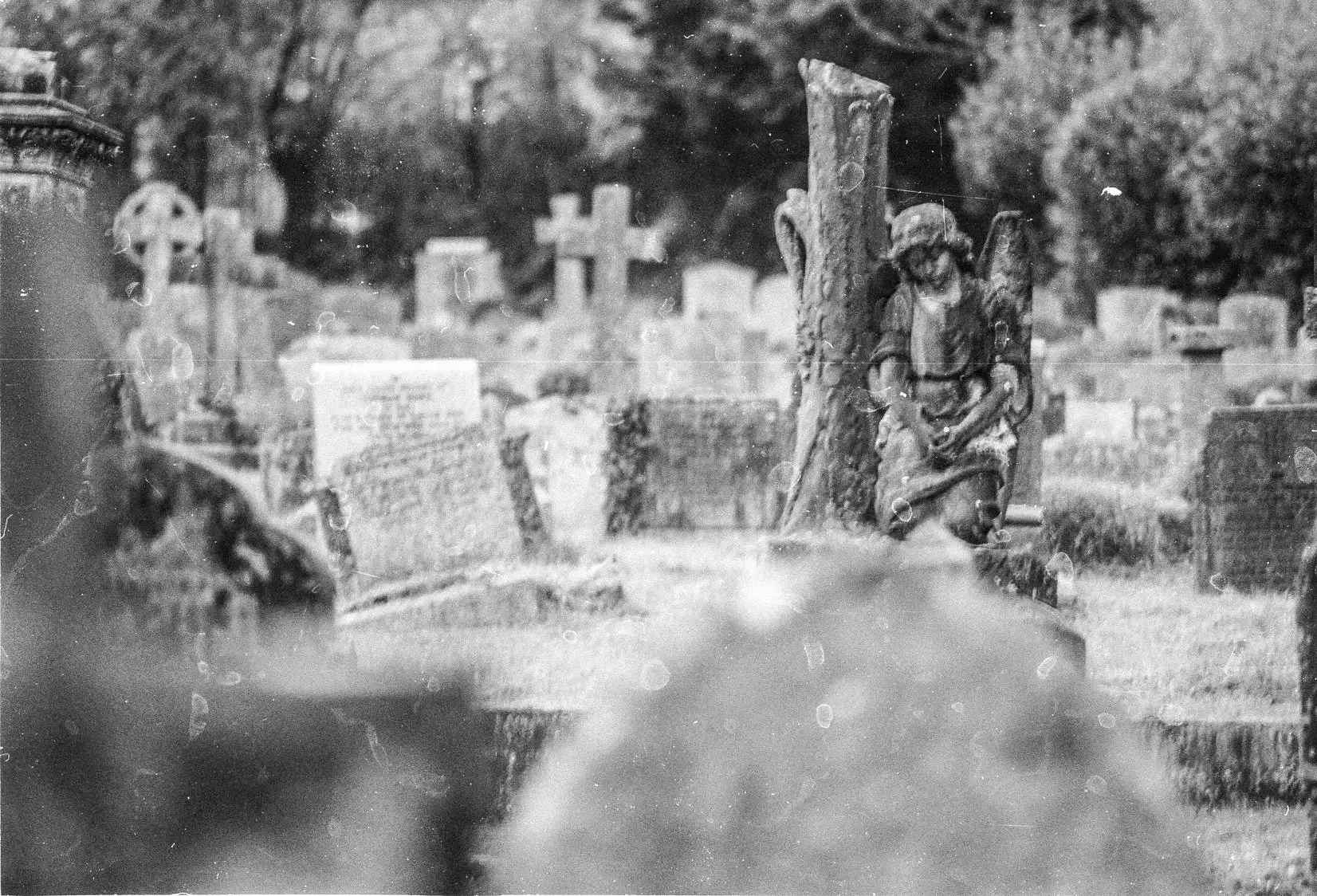
Black and White Film image of the graveyard of Holy Trinity Church in Buckfastleigh, Devon
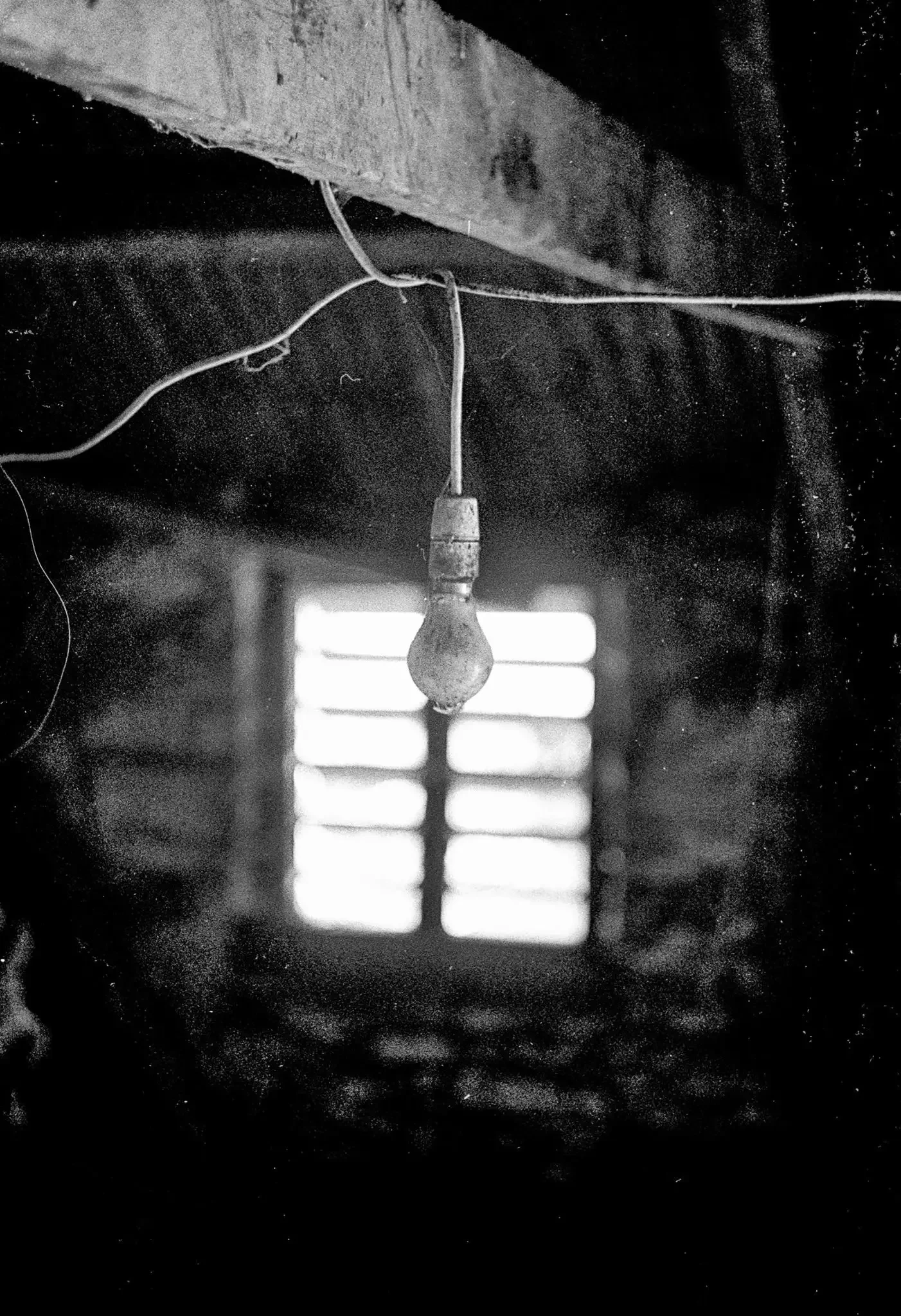
Inside the old barn, a black and white film image
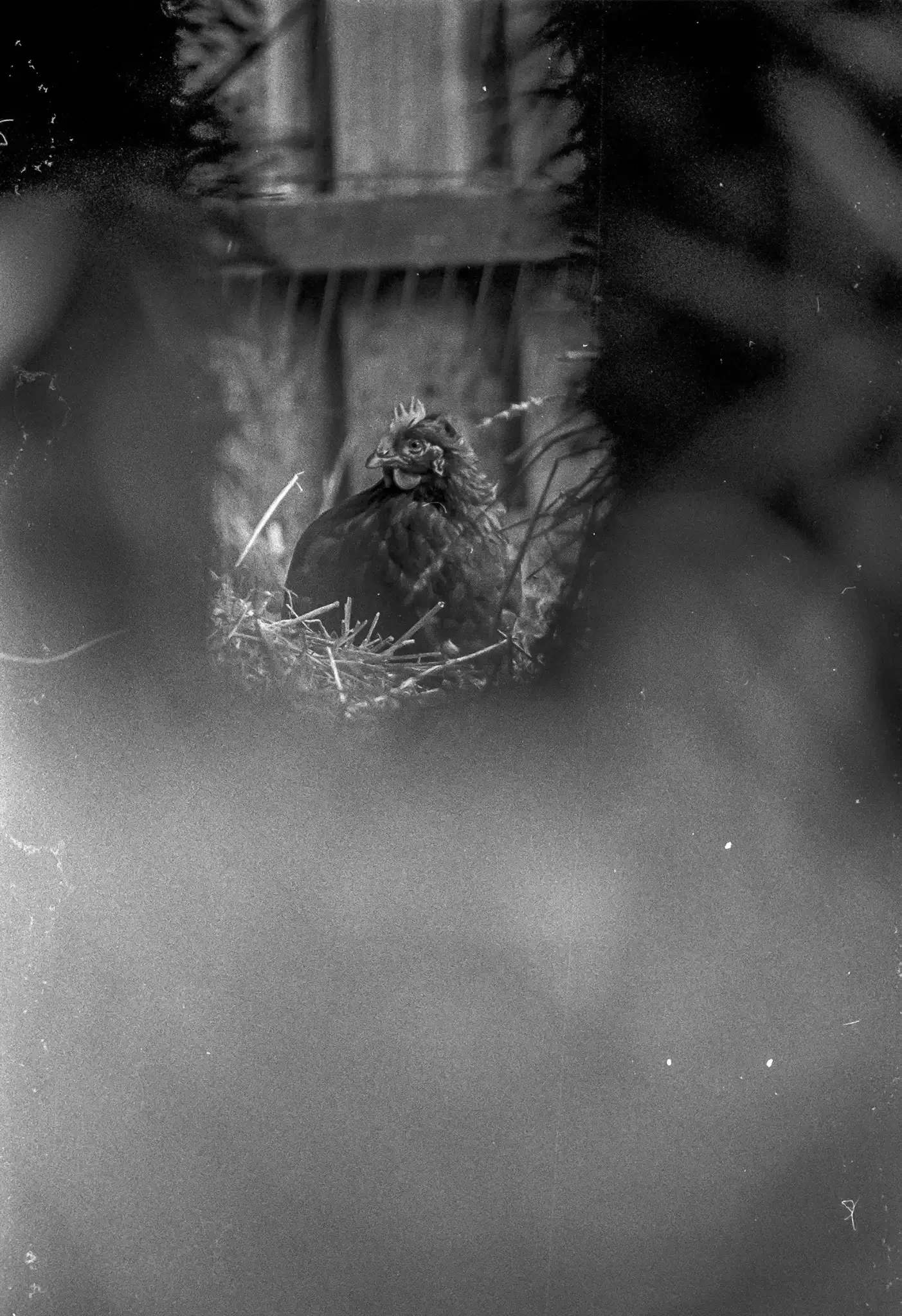
Black and white home processed film image of a chicken on the farm
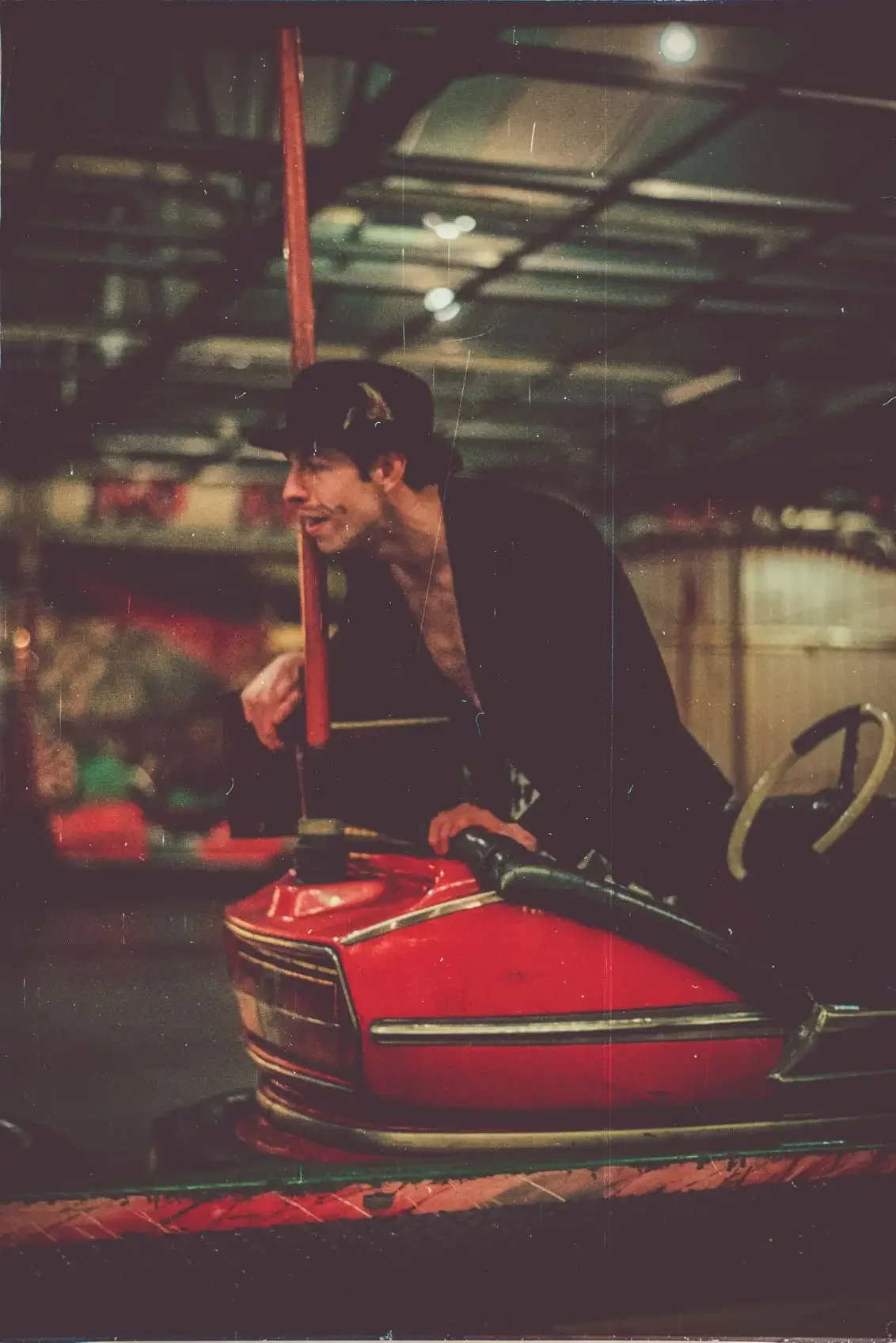
Band photography on colour film image at The Dingles Fairground Heritage Centre
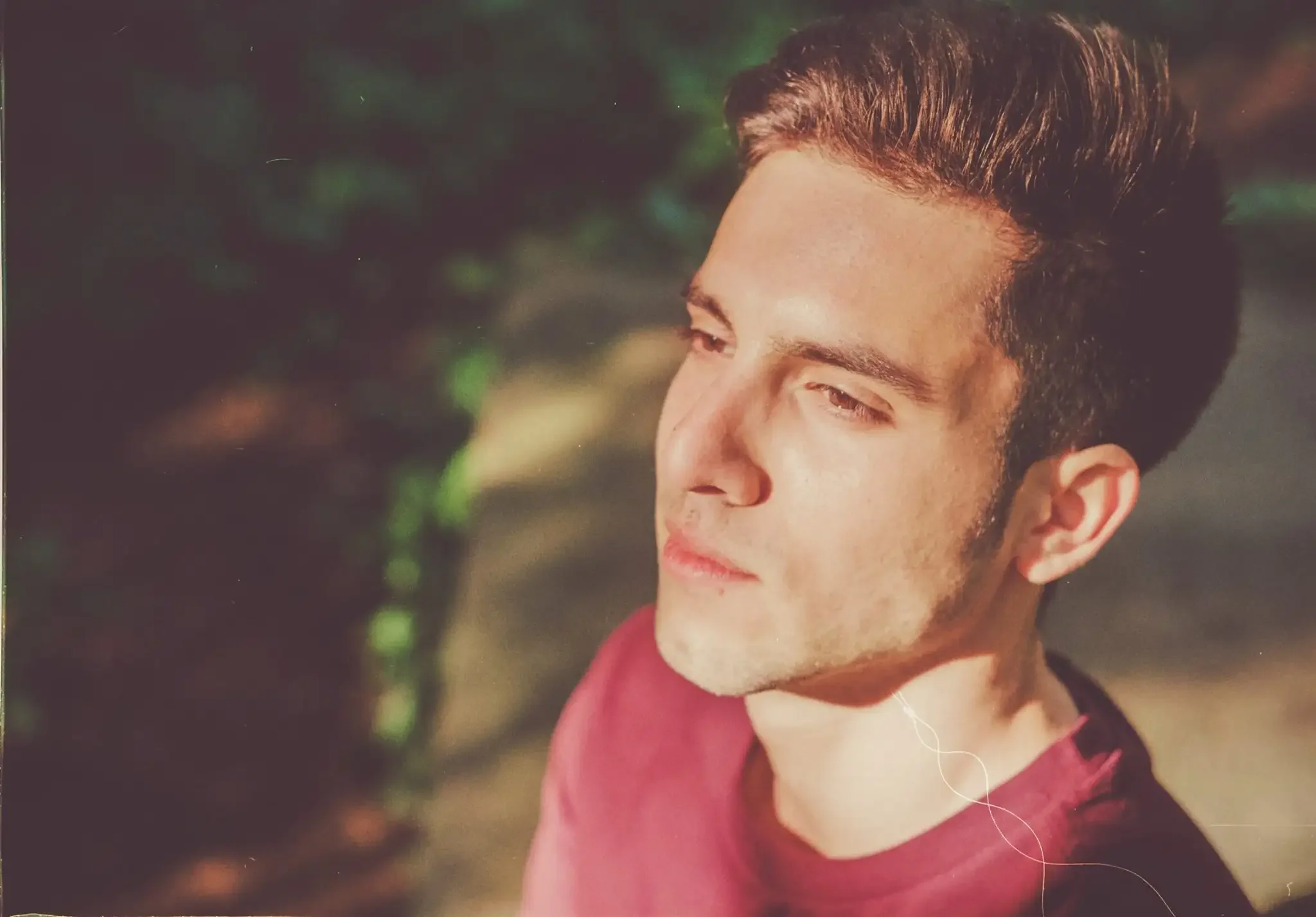
Portfolio photography using colour film
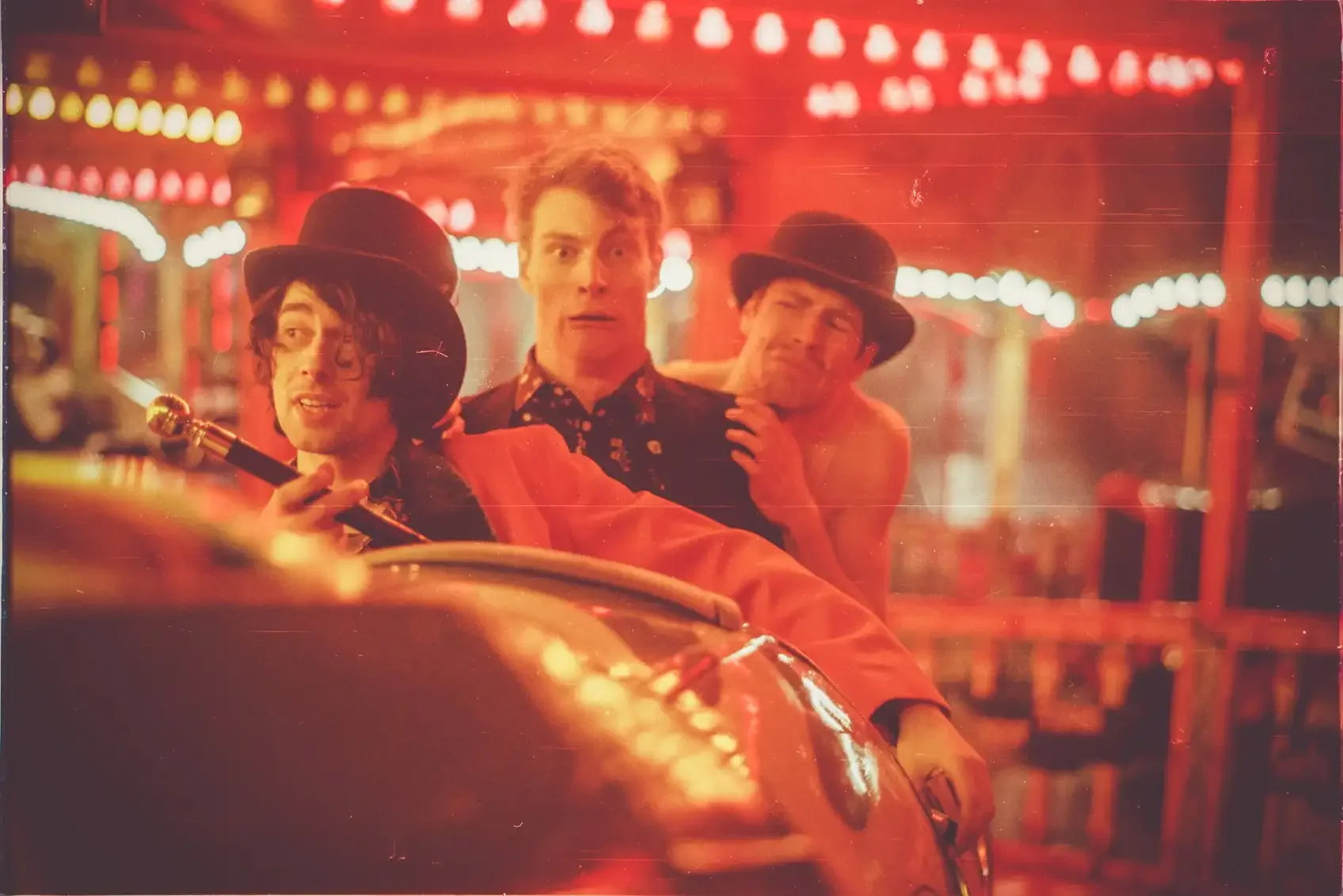
Band photography on colour film image at The Dingles Fairground Heritage Centre
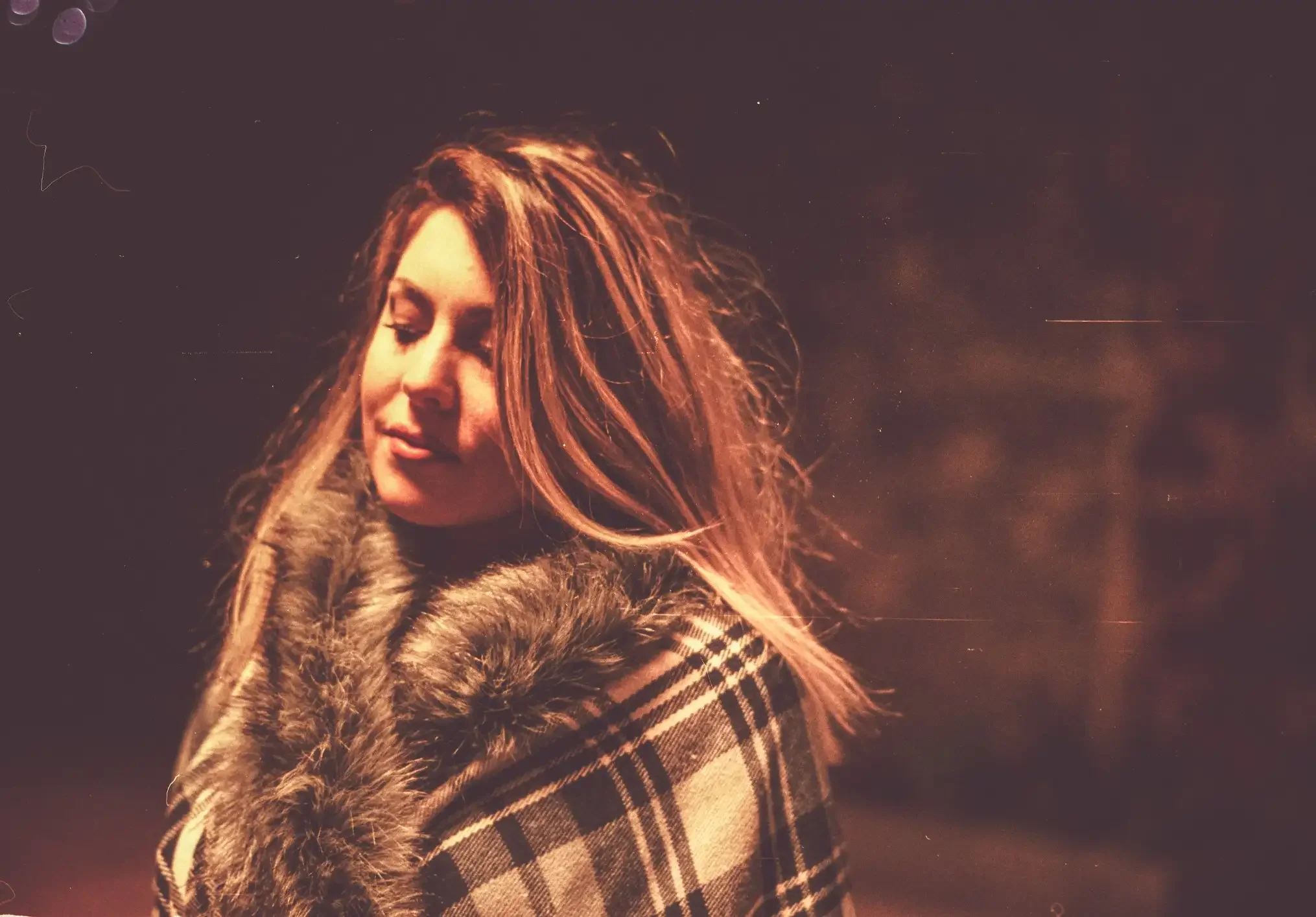
Night time photography shooting on colour film
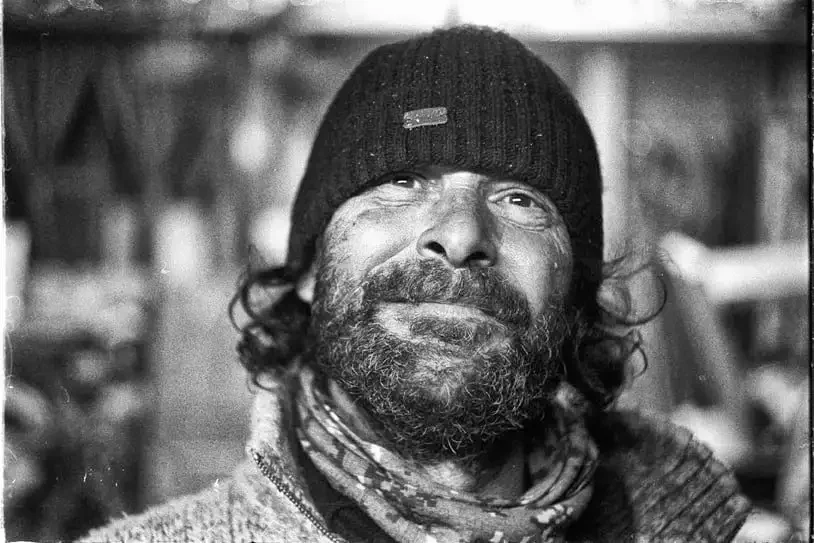
Okehampton portraits, shot on black and white film, home processed and scanned.
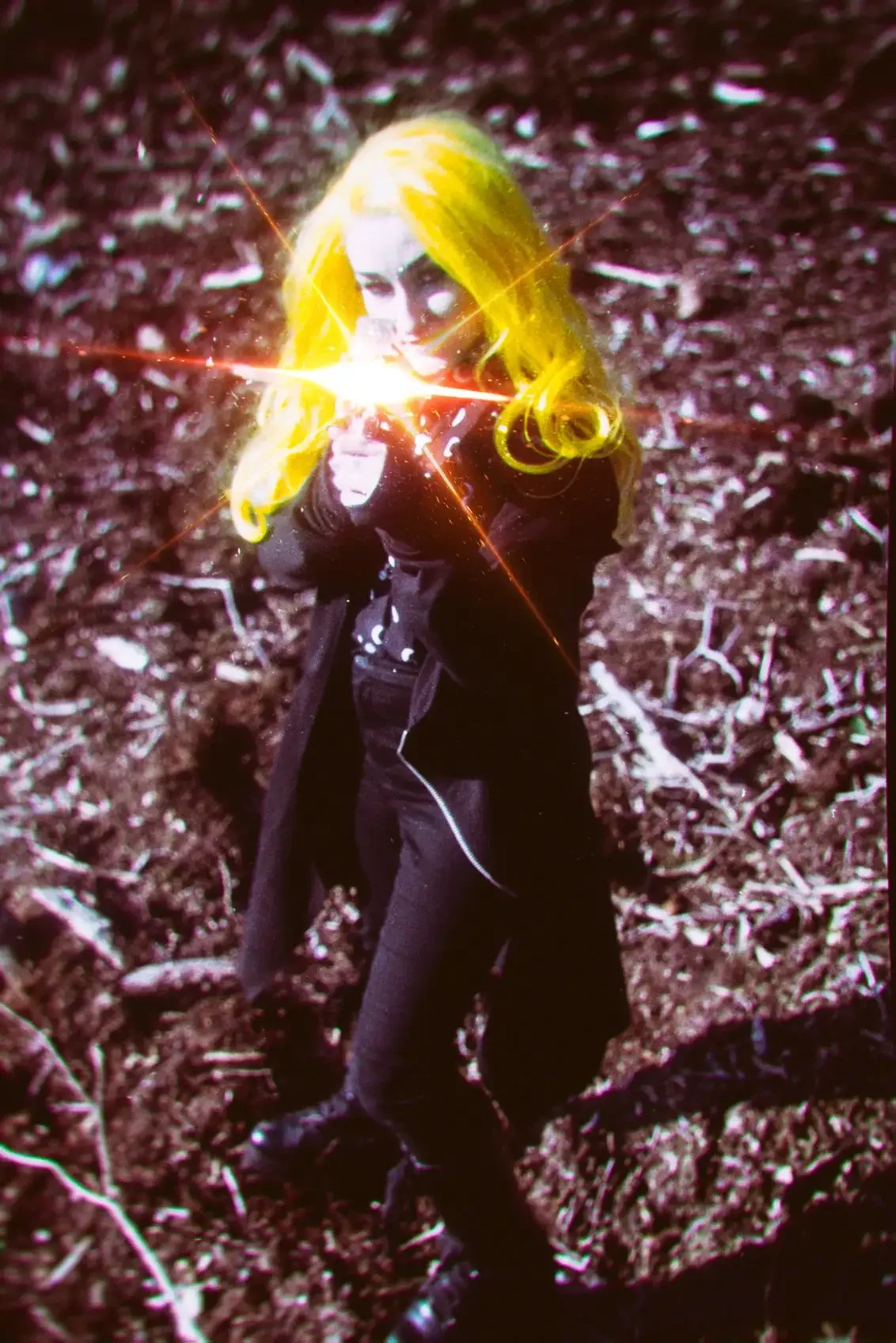
A sci-fi experiment shot on colour film
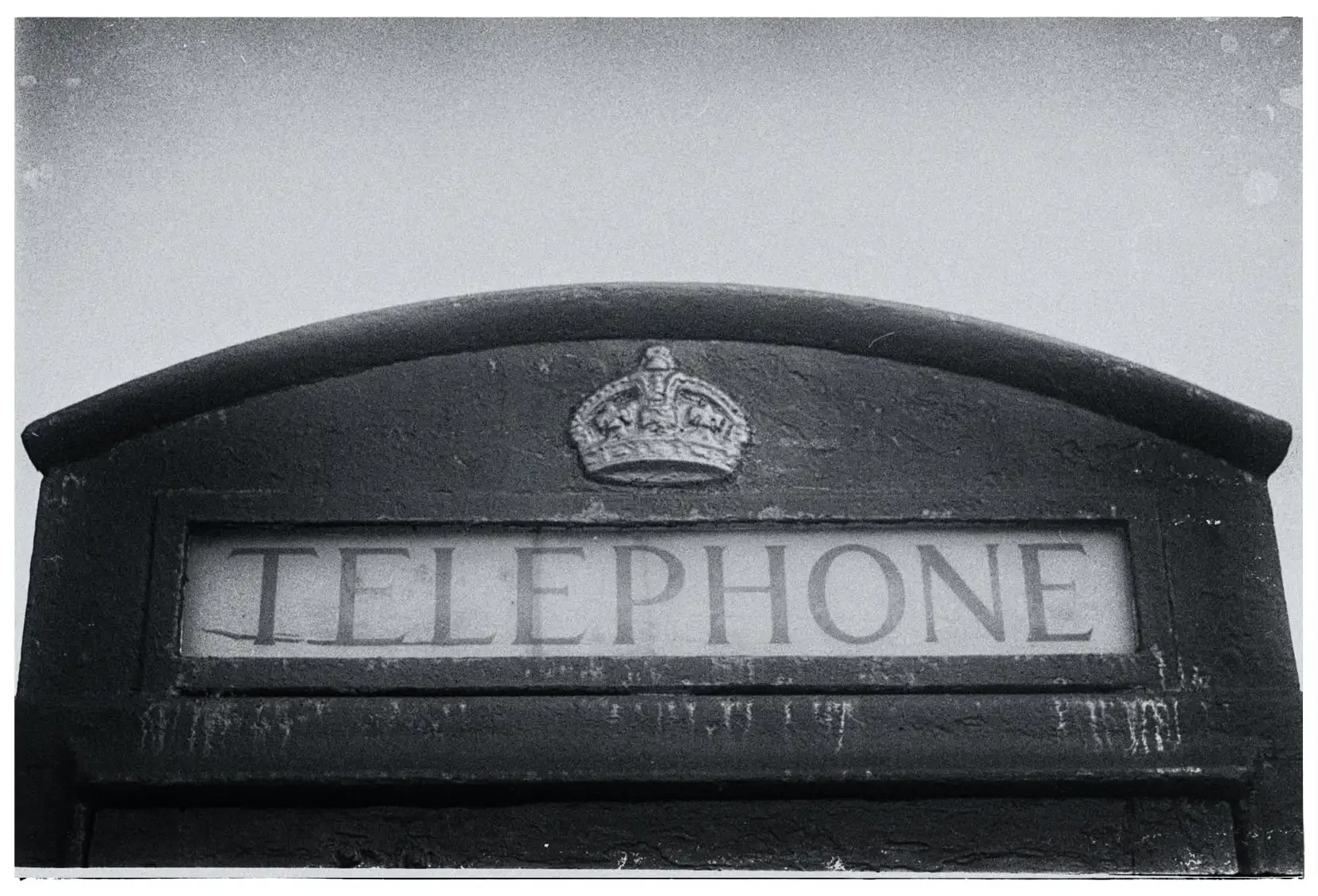
Dartmoor Phonebox shot on black and white film
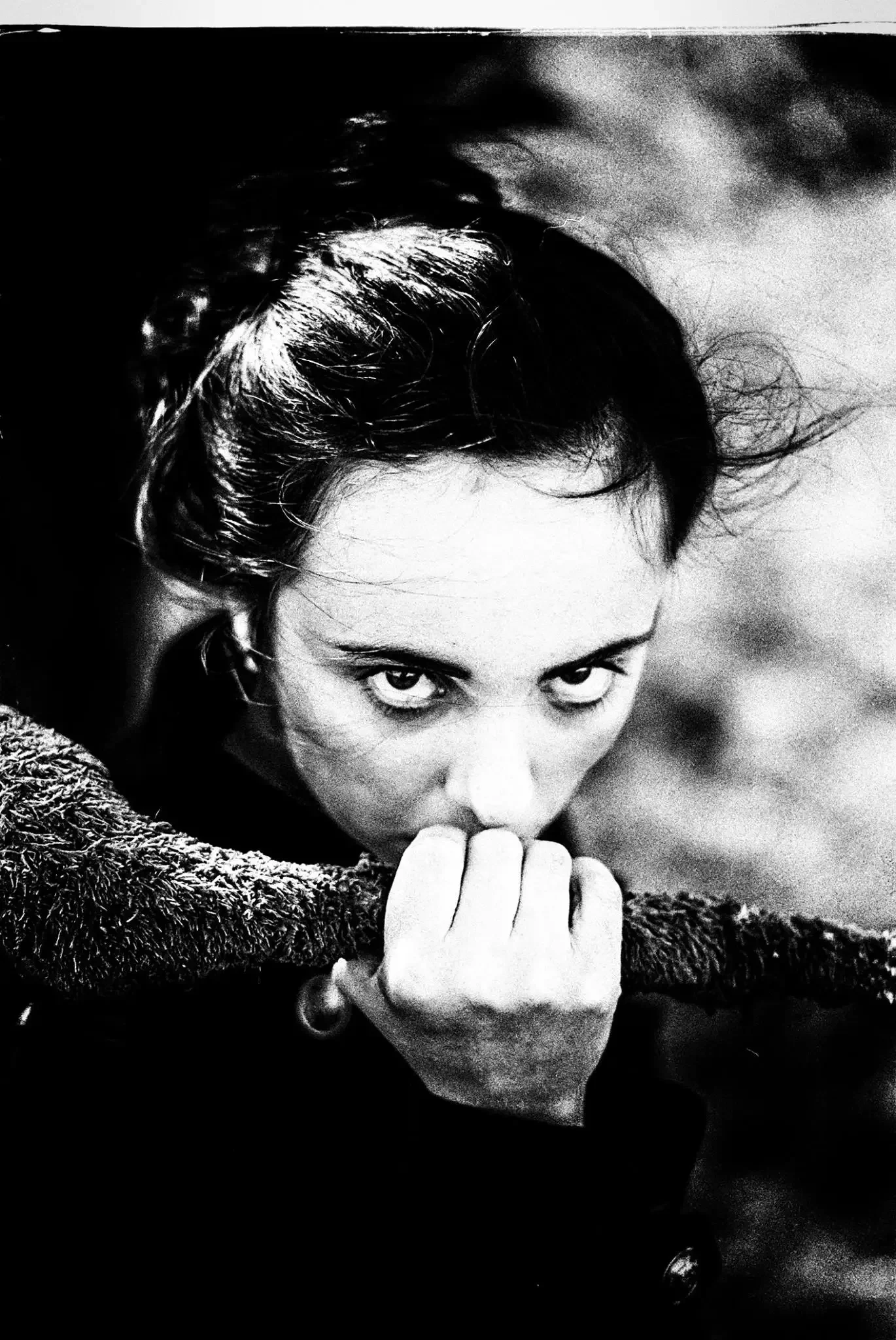
Lisa on Dartmoor - experimenting with black and white film, push processed to create grain and contrast
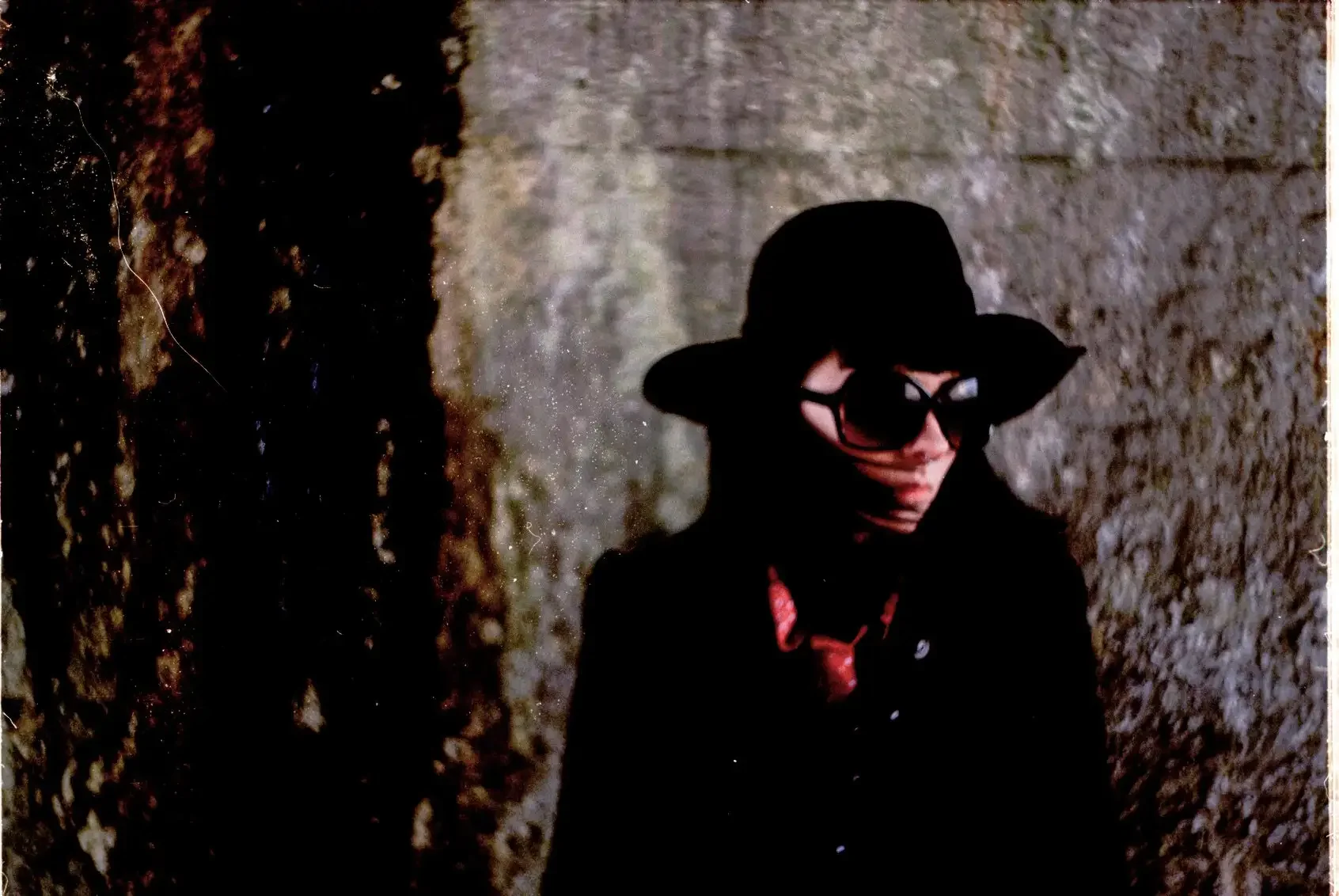
Lisa getting all 1960's spy in Plymouth on colour film
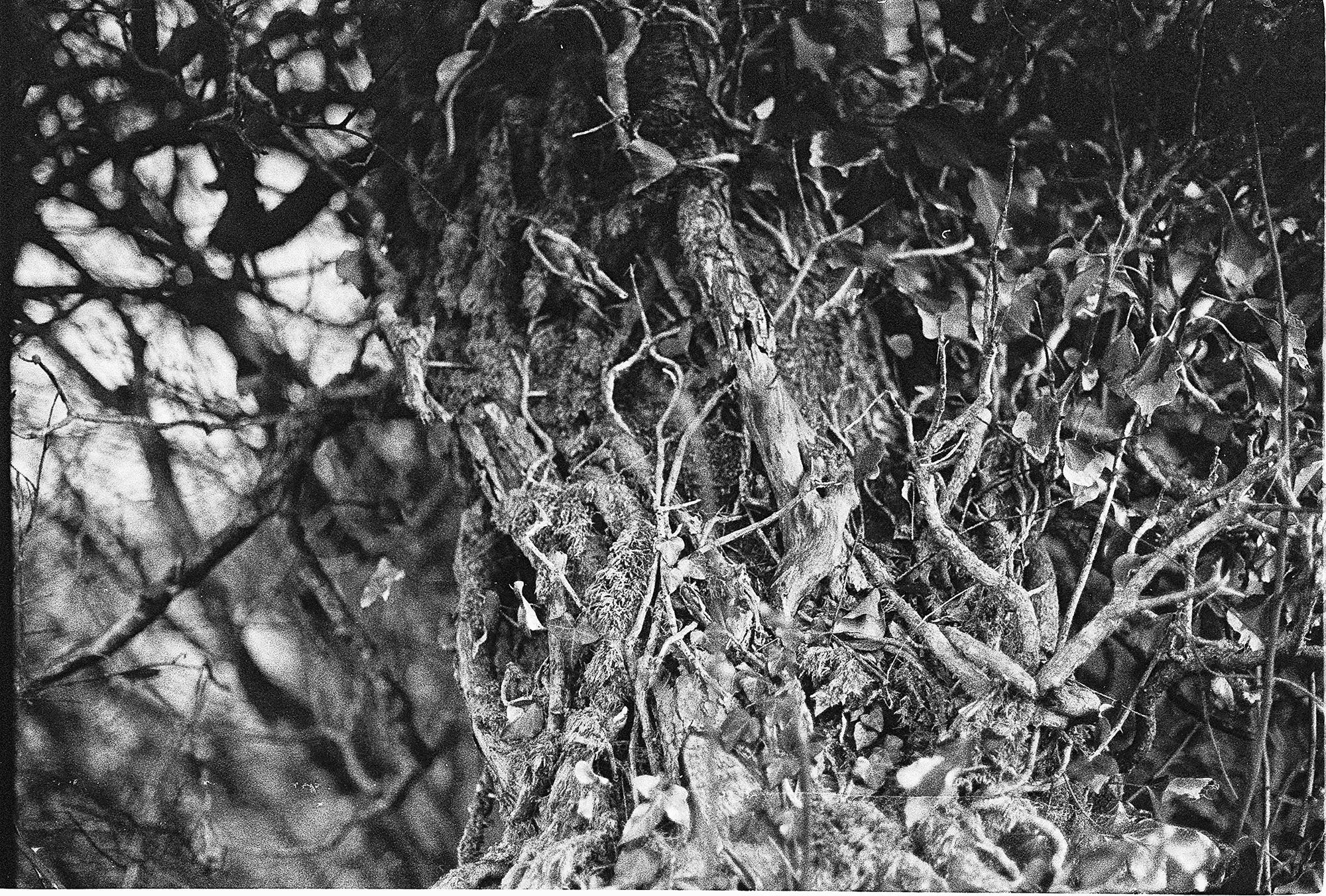
Ivy encrusted tree, black and white film study
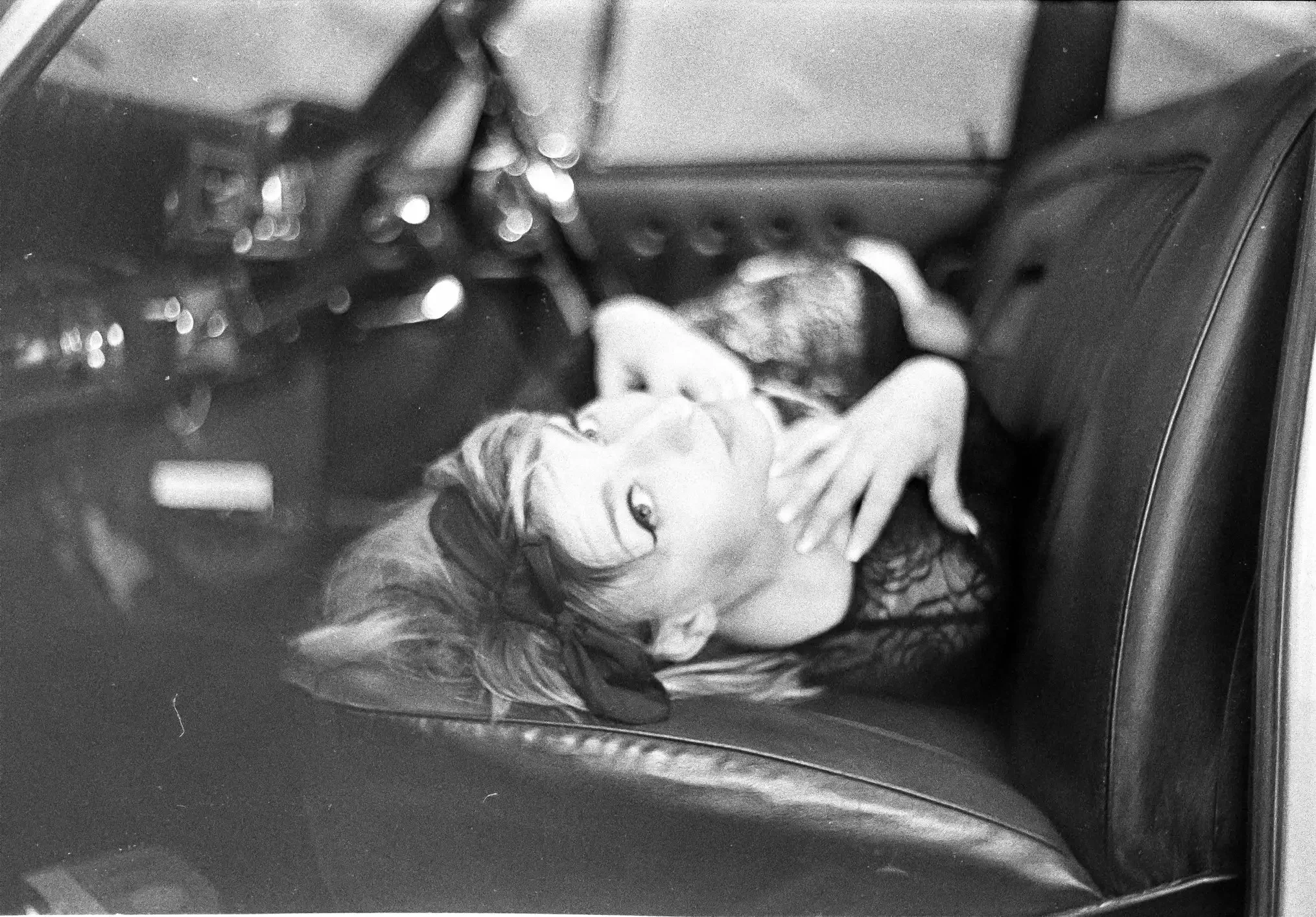
Chelsea in a vintage car, trying to recreate a nostalgic feel by shooting on black and white film
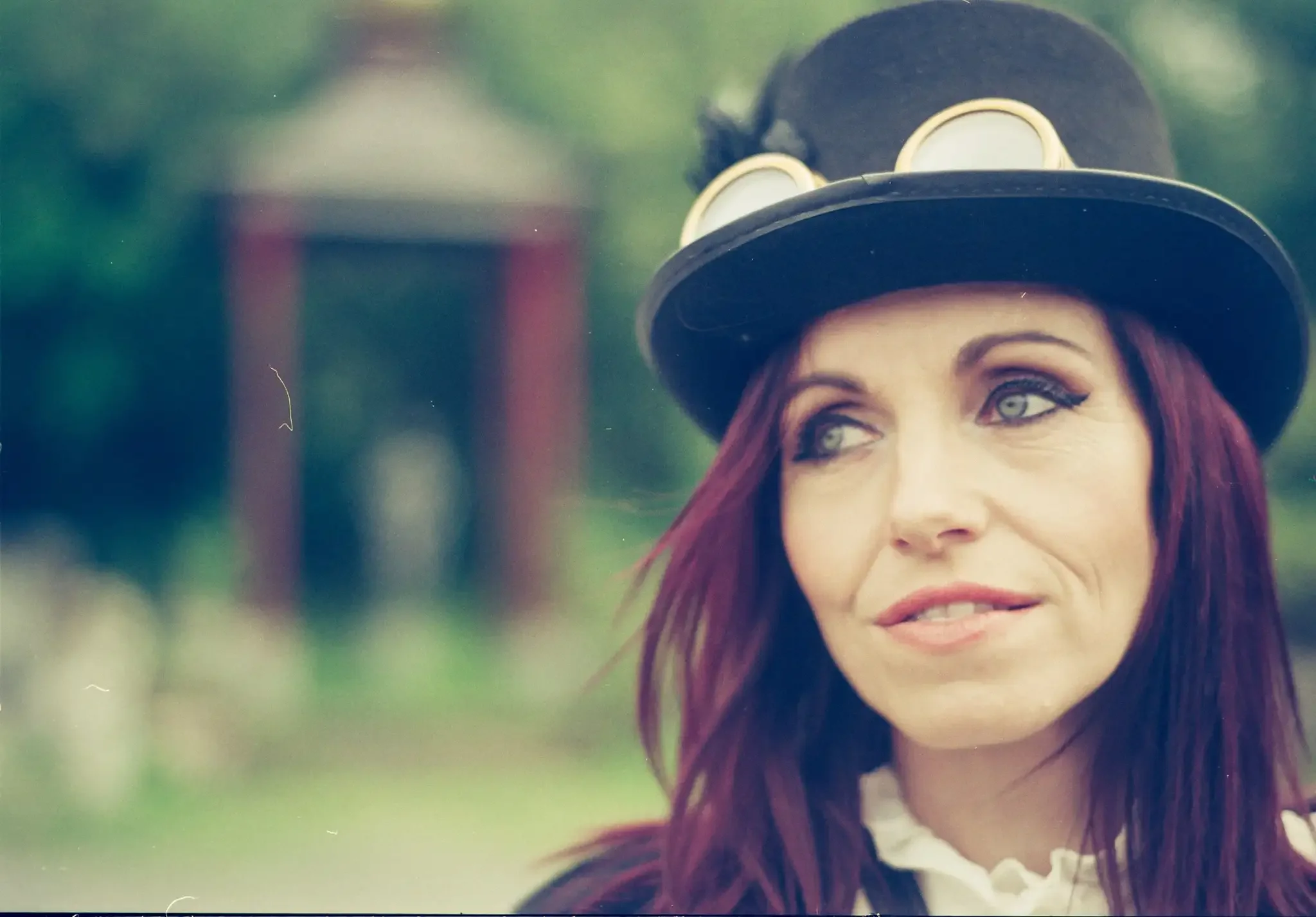
Jules in a steampunk shoot using colour film
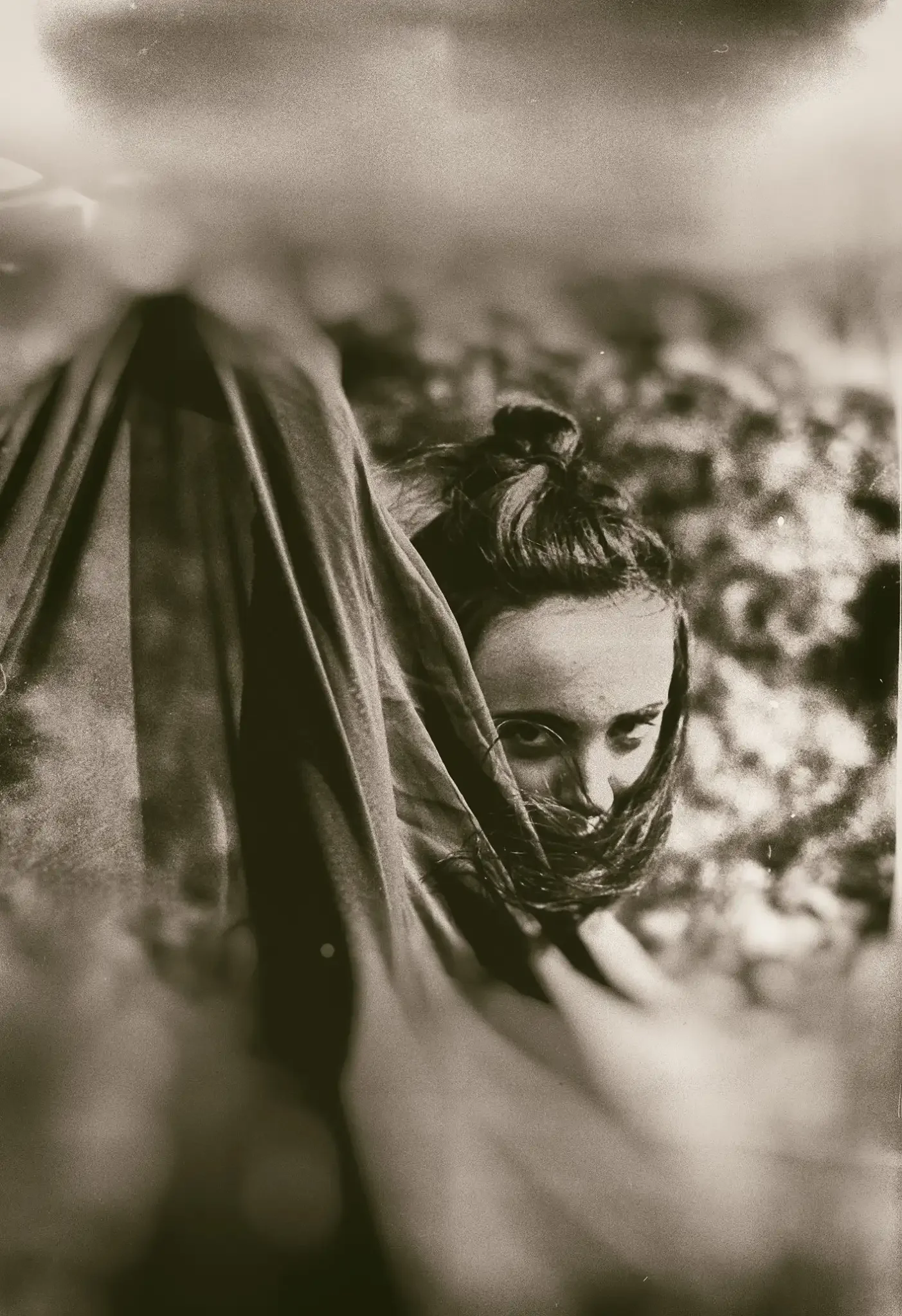
Lisa being a bit crazy, shot on film and edited digitally
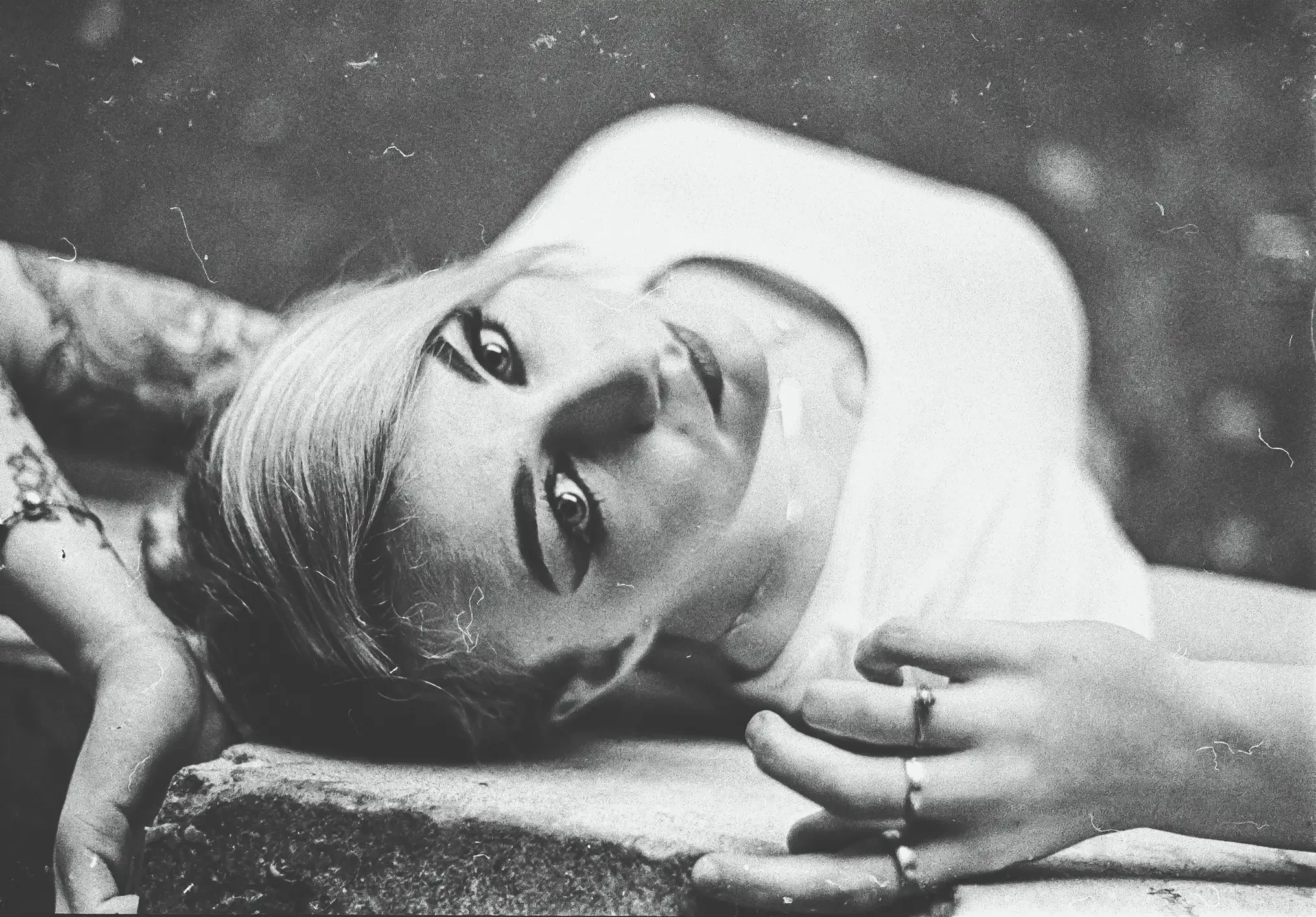
Black and white film used for a street shoot in Plymouth
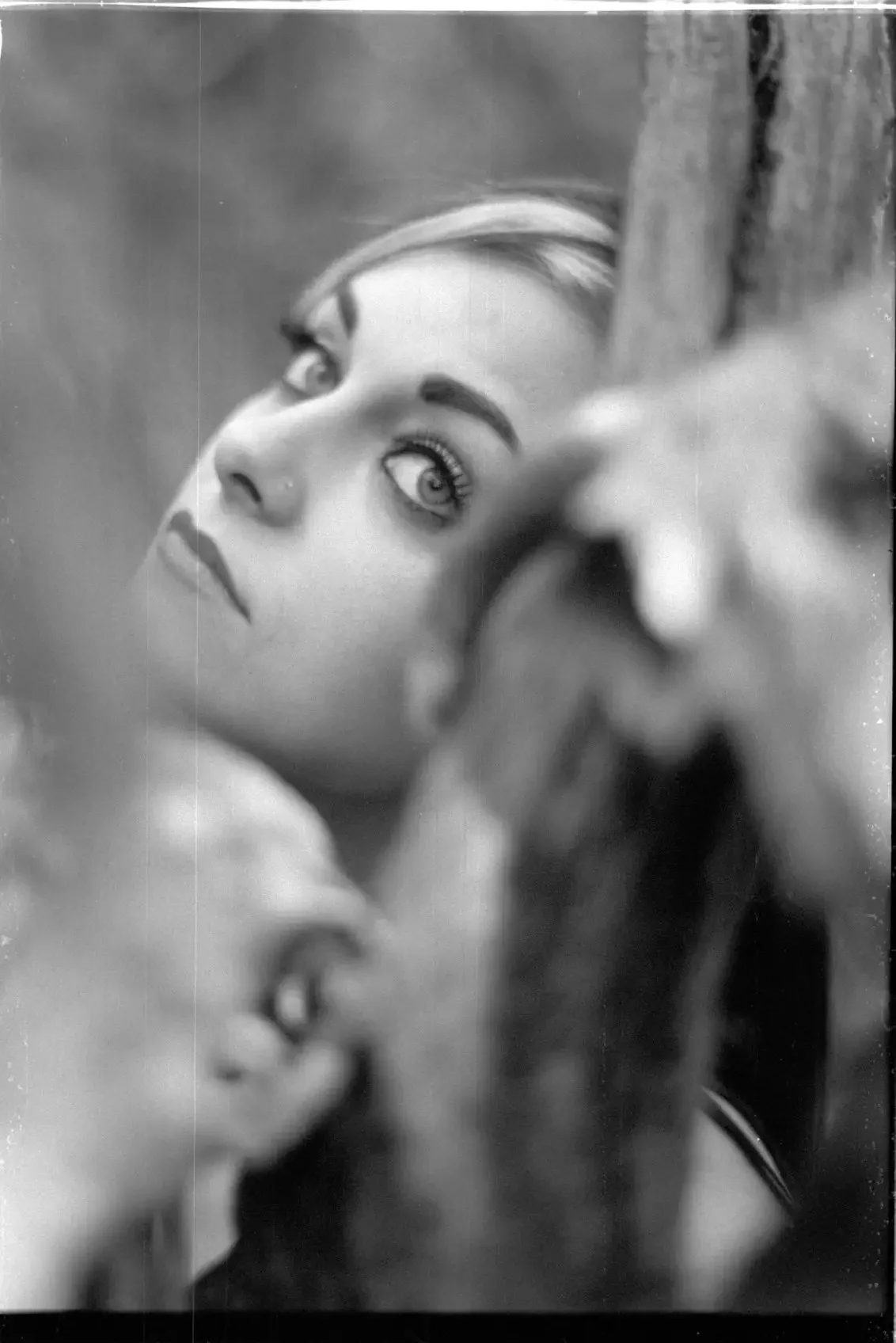
Lemmi looking amazing in black and white. Fomapan 200 developed with Rodinal
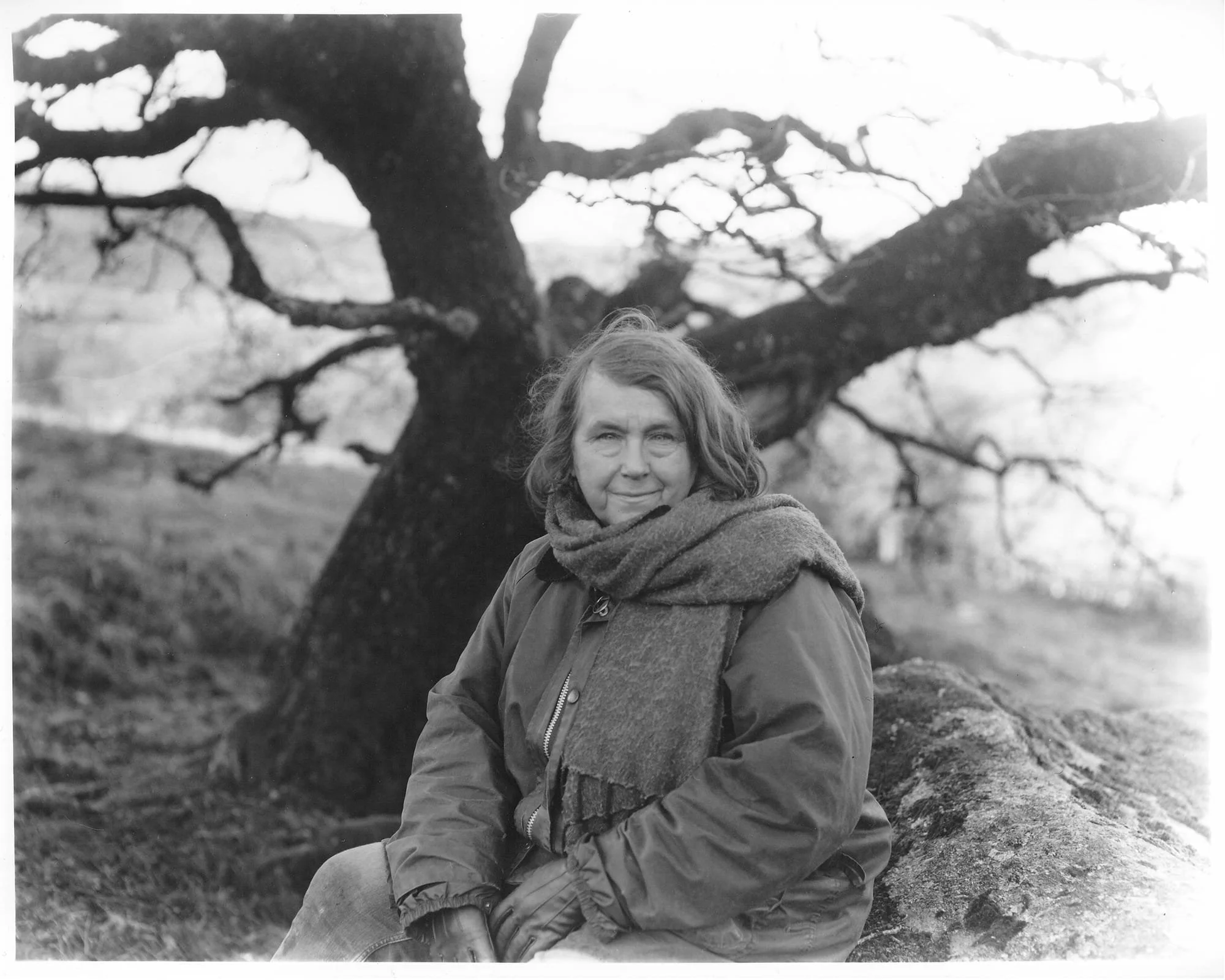
Author and broadcaster Sophie Pierce shot with my large format film camera
More Projector Lens & Enlarger Lens adaptations …
I say “adaptations” what I really mean is cardboard tubes and gaffer tape - if it works why fix it?
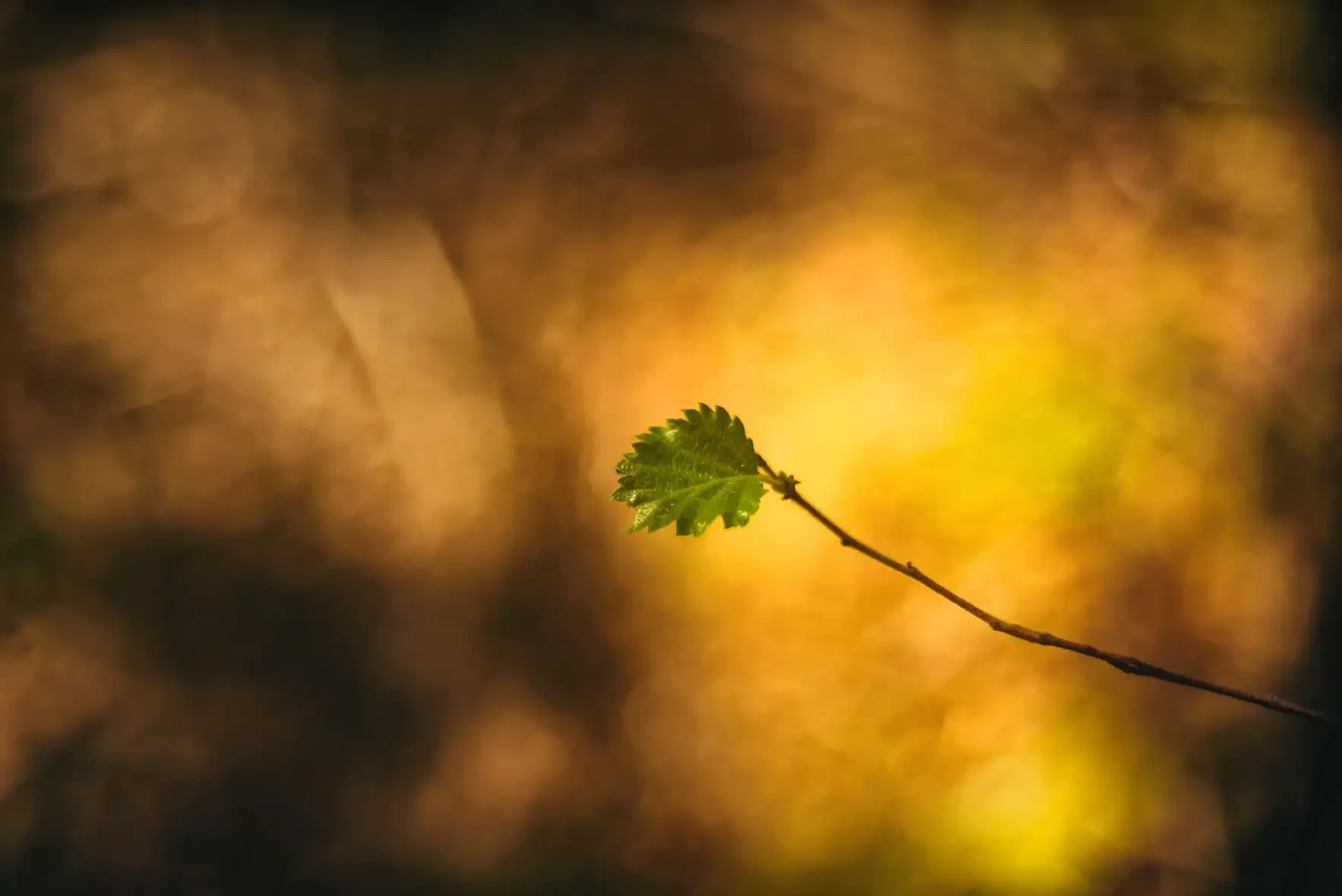
Leaf and amazing bokeh - shot with Maginon Will-Wetzlar 100mm f2.8 Projector Lens
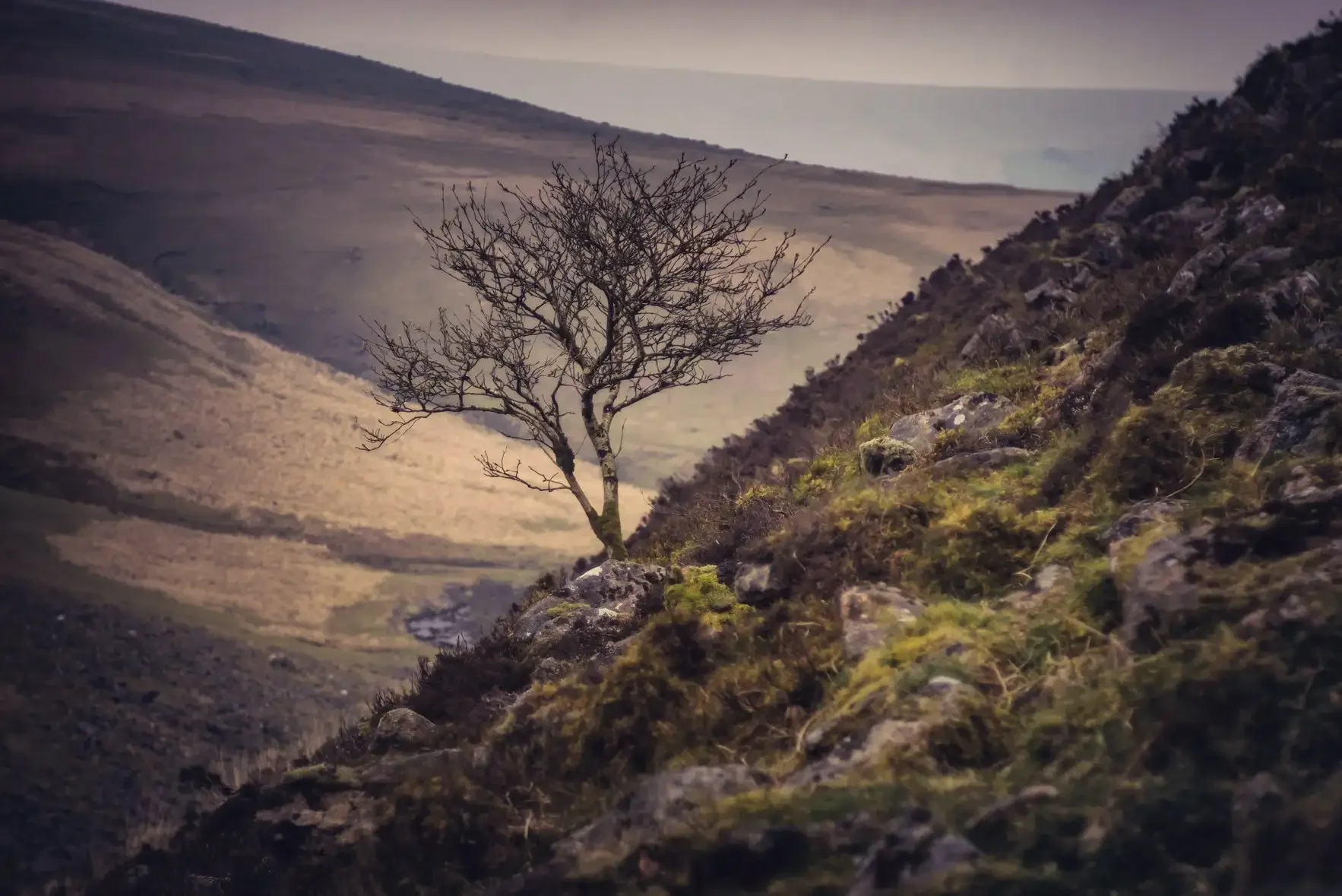
A tree on Tavy Cleave on Dartmoor, shot with an adapted Argus 4 inch Projection f2.8
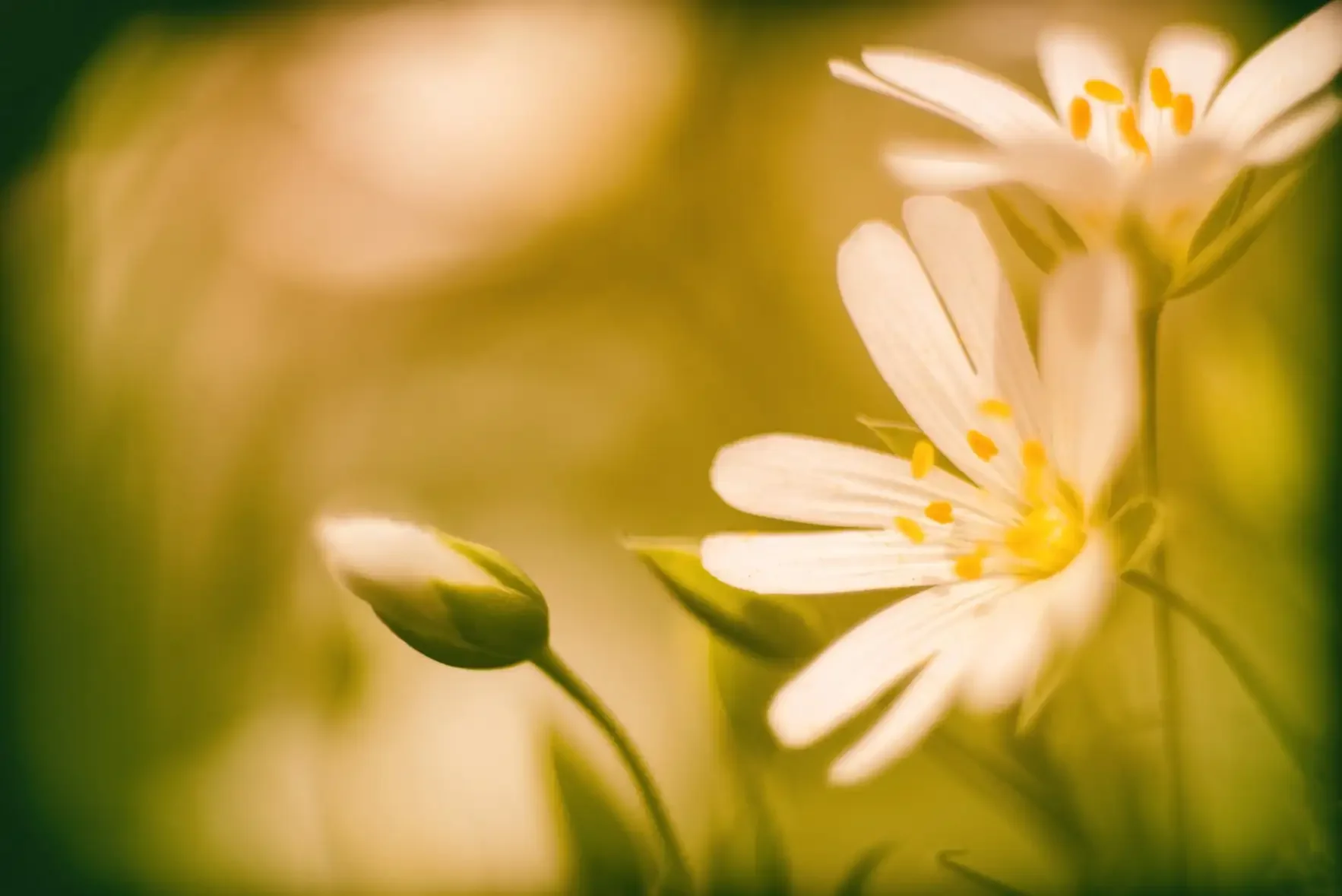
Lesser Stitchwort shot on and adapted Projector Lens Rollei-Projar 85mm f2.8 (Isco) on Sony a7r
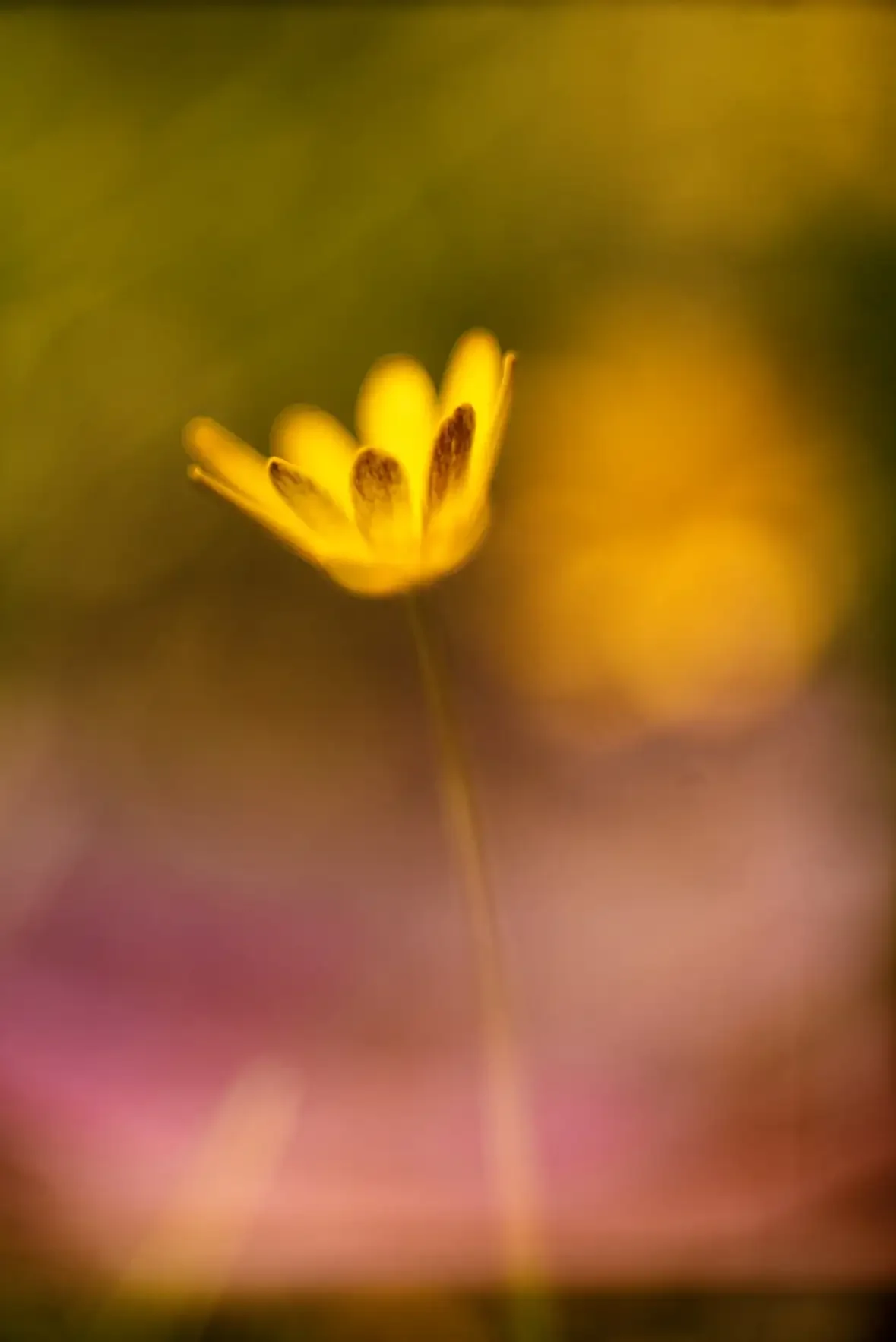
Lesser Celandine Shot using a Diatar 100mm f2.5 Zeiss Ikon Projector Lens adapted to my Sony a7r
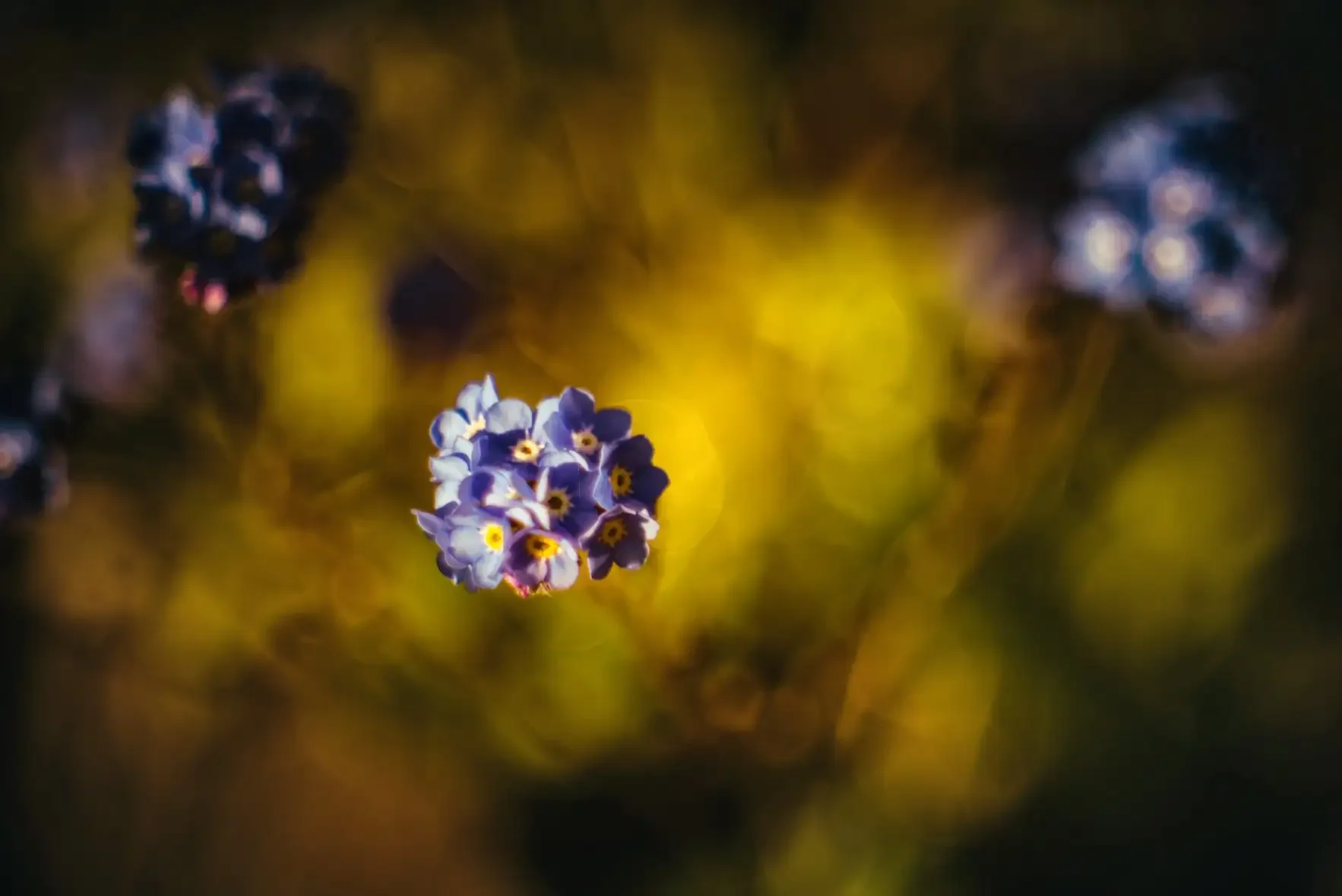
Forget-me-nots shot with Aldis projector lens (8.5cm f2.5) stuffed into a toilet roll and rammed into a lens adapter to attach it to my Sony a7r 😜
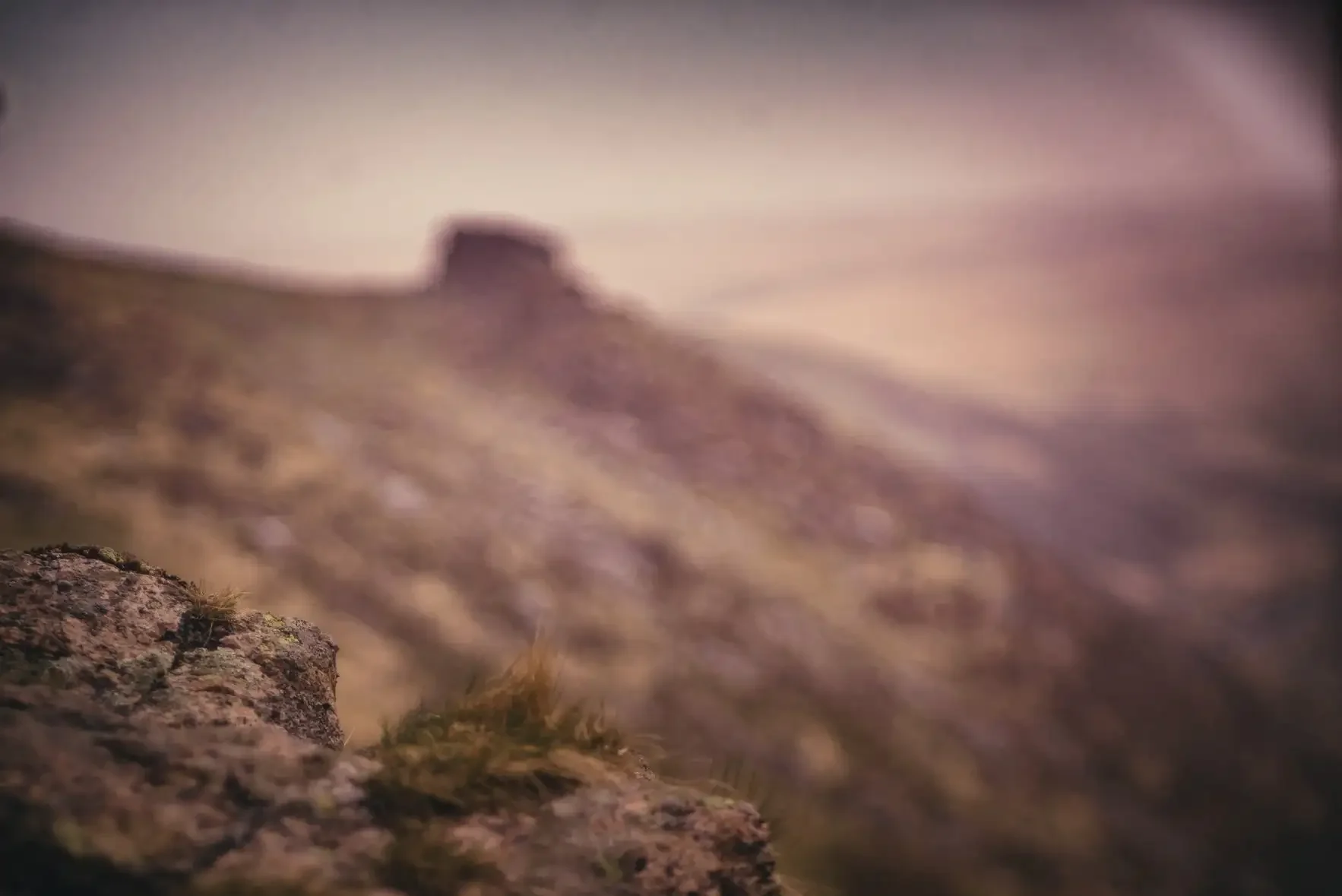
Projector lens capture of Tavy Cleave on Dartmoor - shot using a Argus 4 inch Projection f2.8
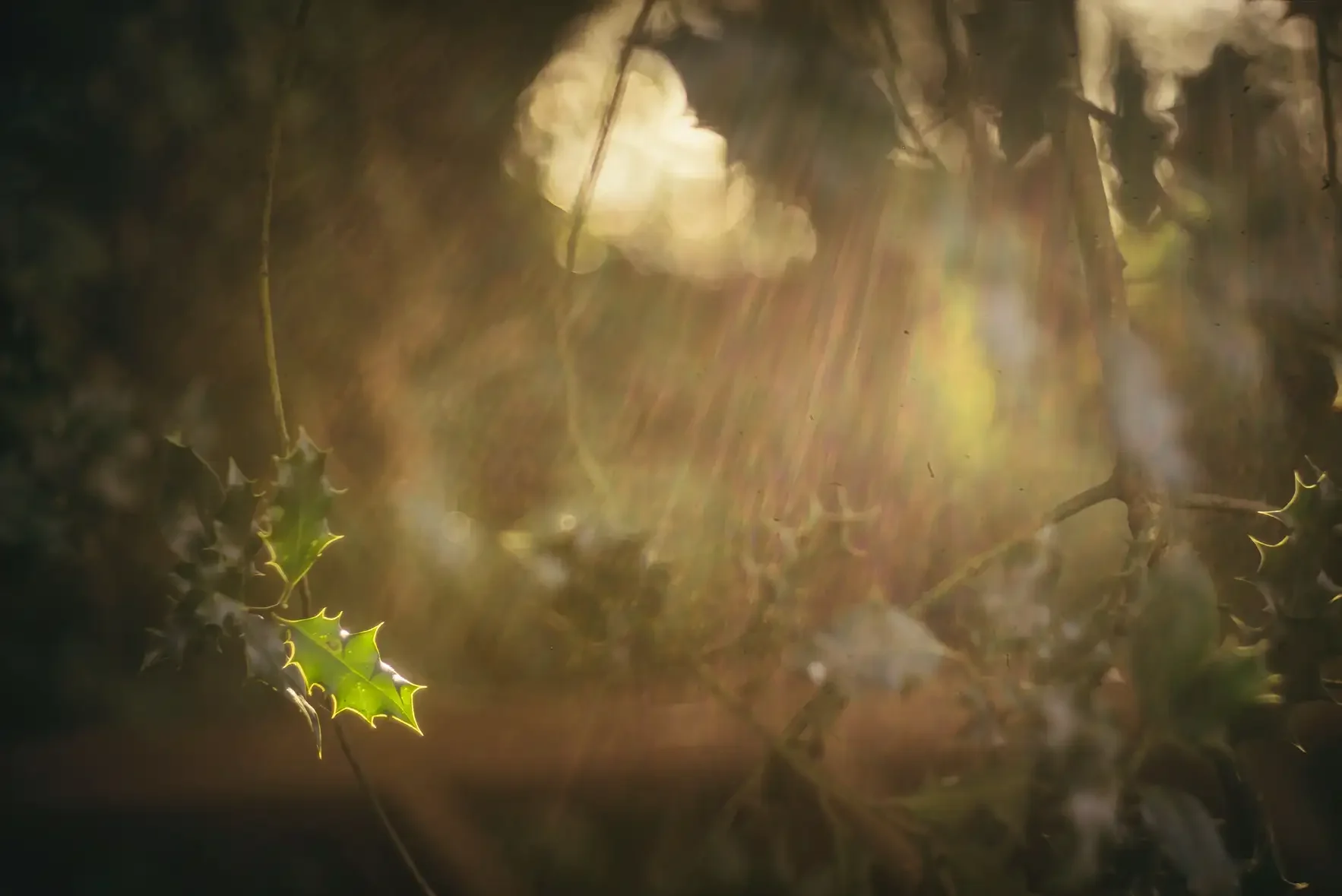
Holly shot on an adapted Lens - an Aldis Star 100mm Projector Lens f2.8
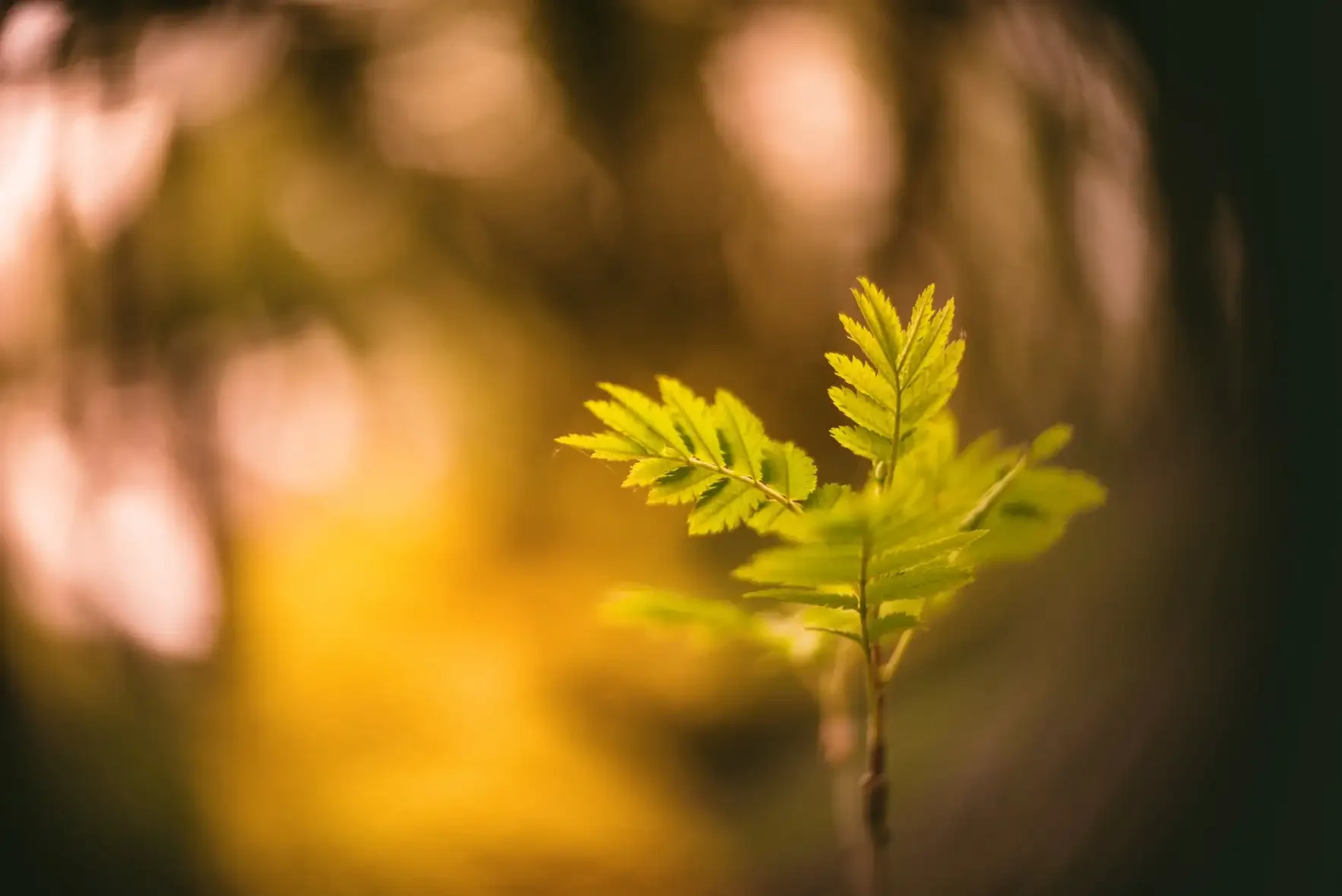
Ash in Halstock Woods on Dartmoor shot with an adapted Simplex Ampro Ltd 2½ inch f1.8 Projector Lens
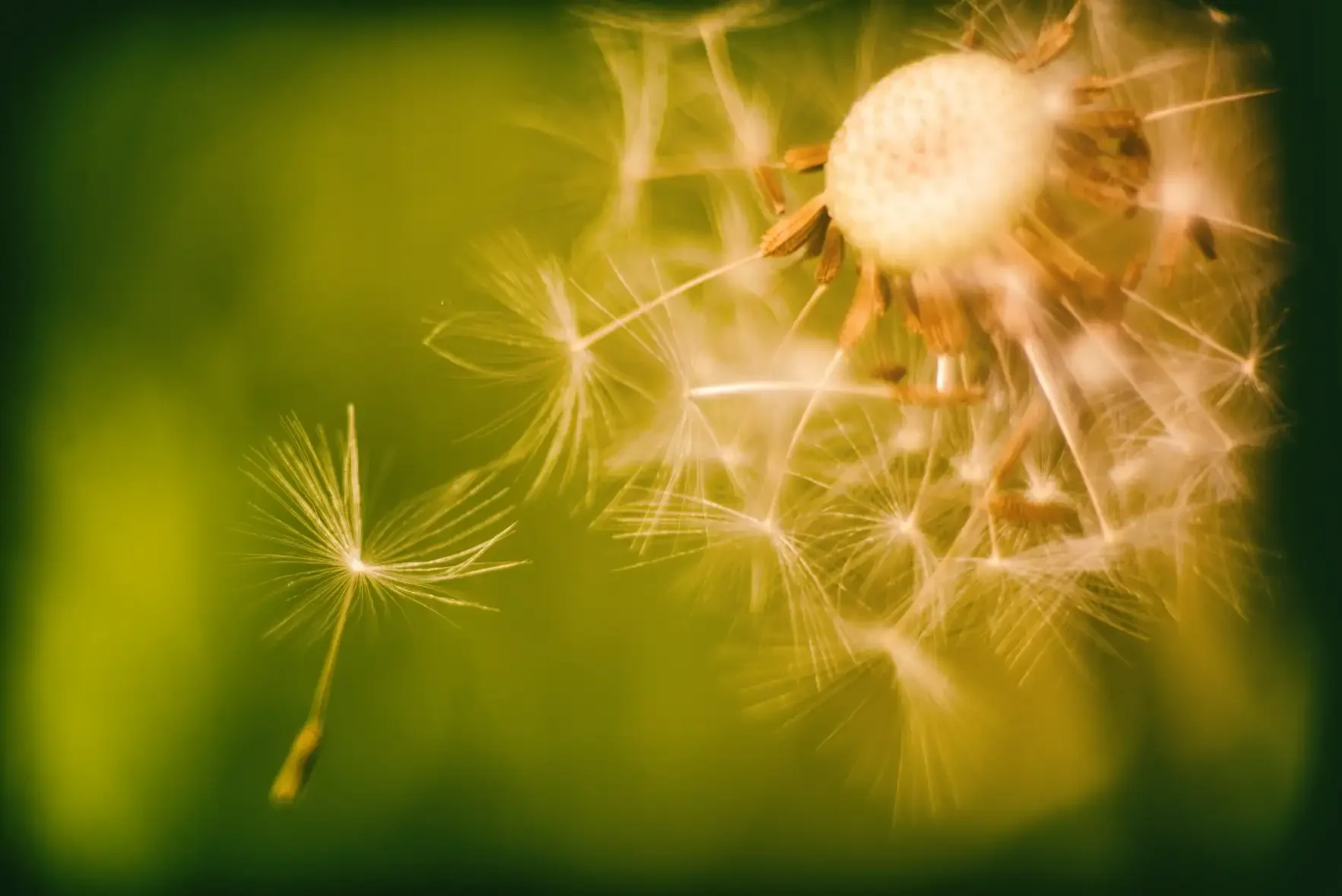
Close-up of a dandelion seed head shot on an adapted Projector Lens Rollei-Projar 85mm f2.8 (Isco) on Sony a7r
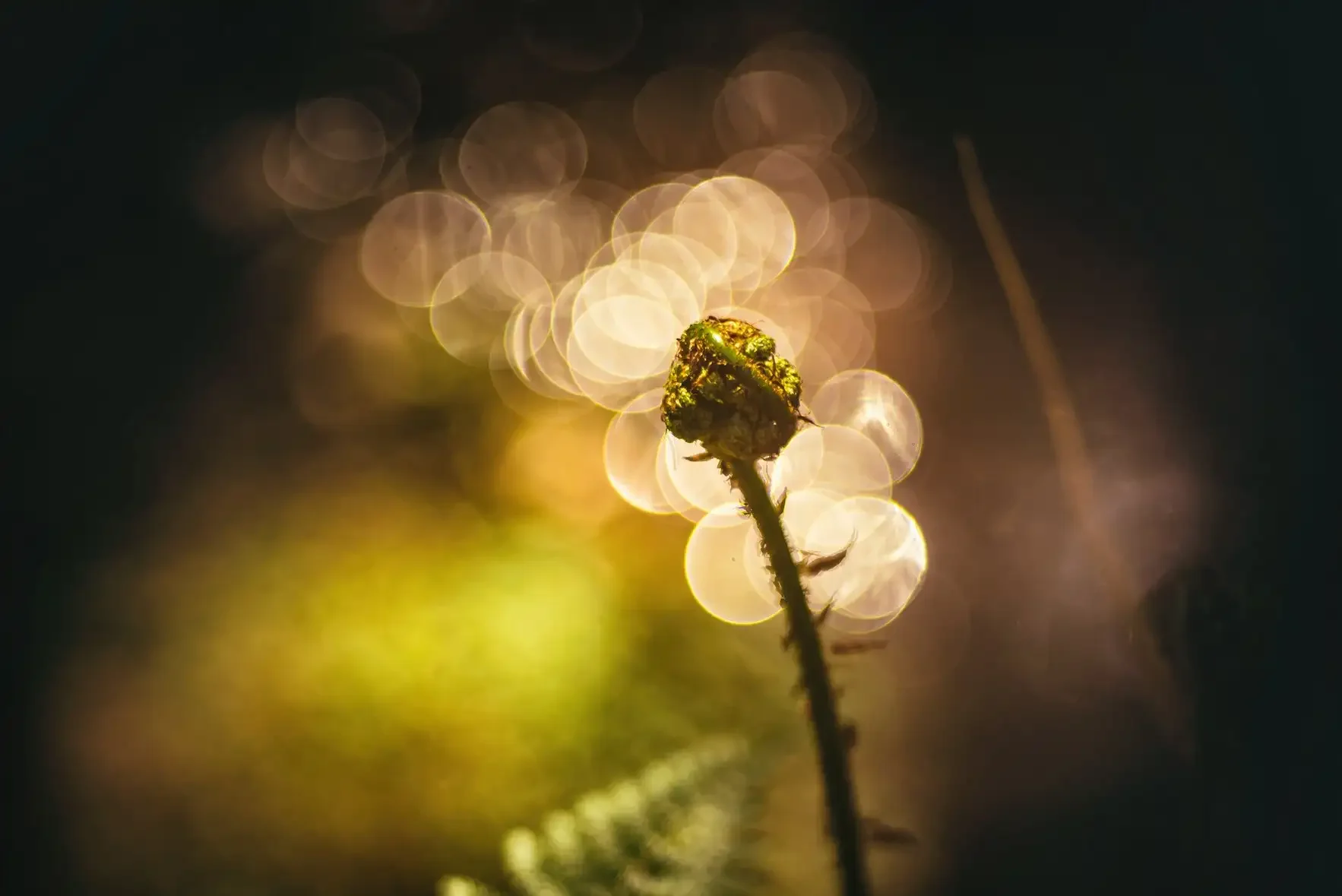
Unfurl - Fern head above water, amazing bokeh using the Maginon Will-Wetzlar 100mm f2.8 Projector Lens
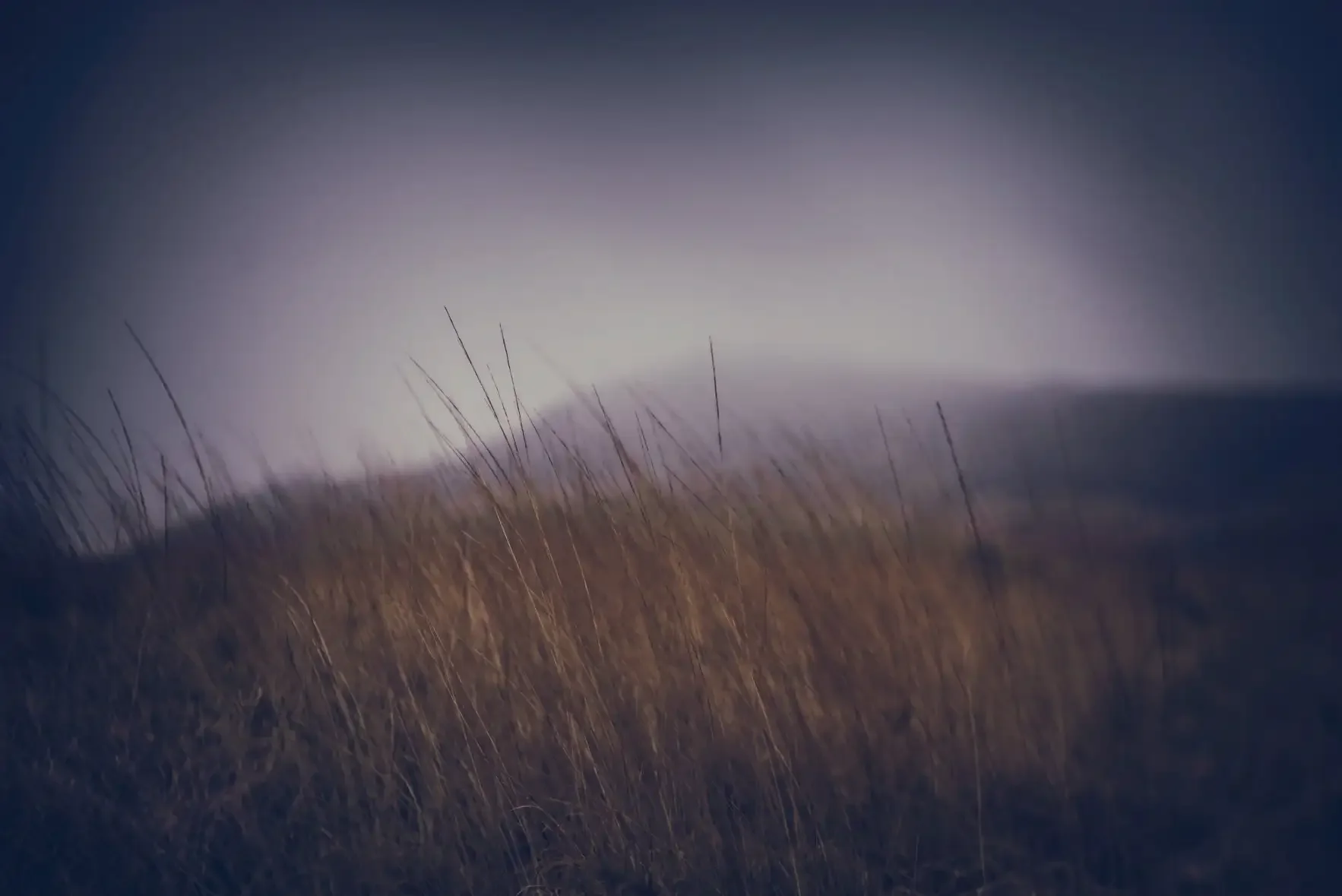
More Tavy Cleave shot with the adapted Argus 4 inch Projection f2.8 lens
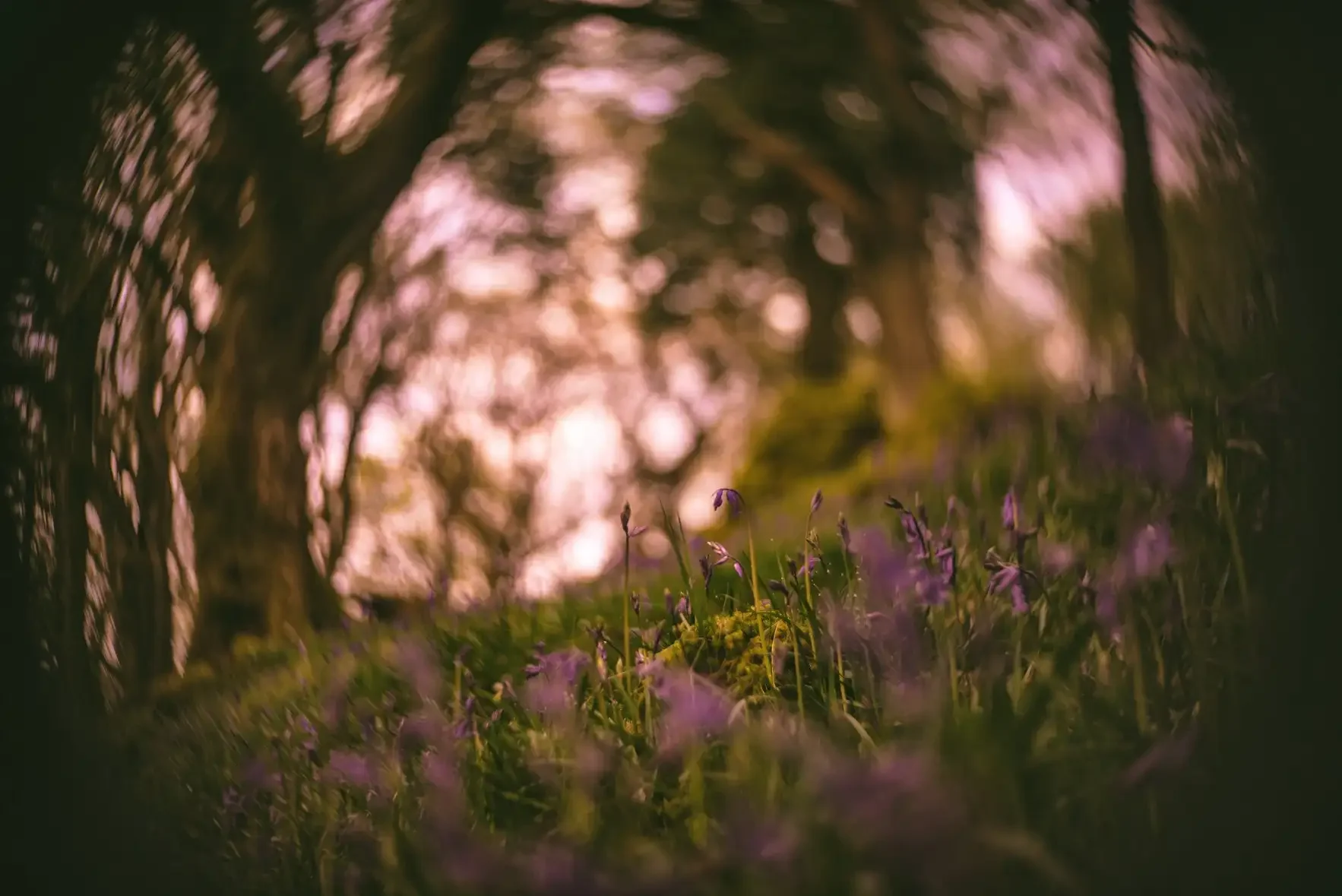
Blurry Bokeh Bluebells - in Halstock Woods on Dartmoor shot with a Simplex Ampro Ltd 2½ inch f1.8 Projector Lens
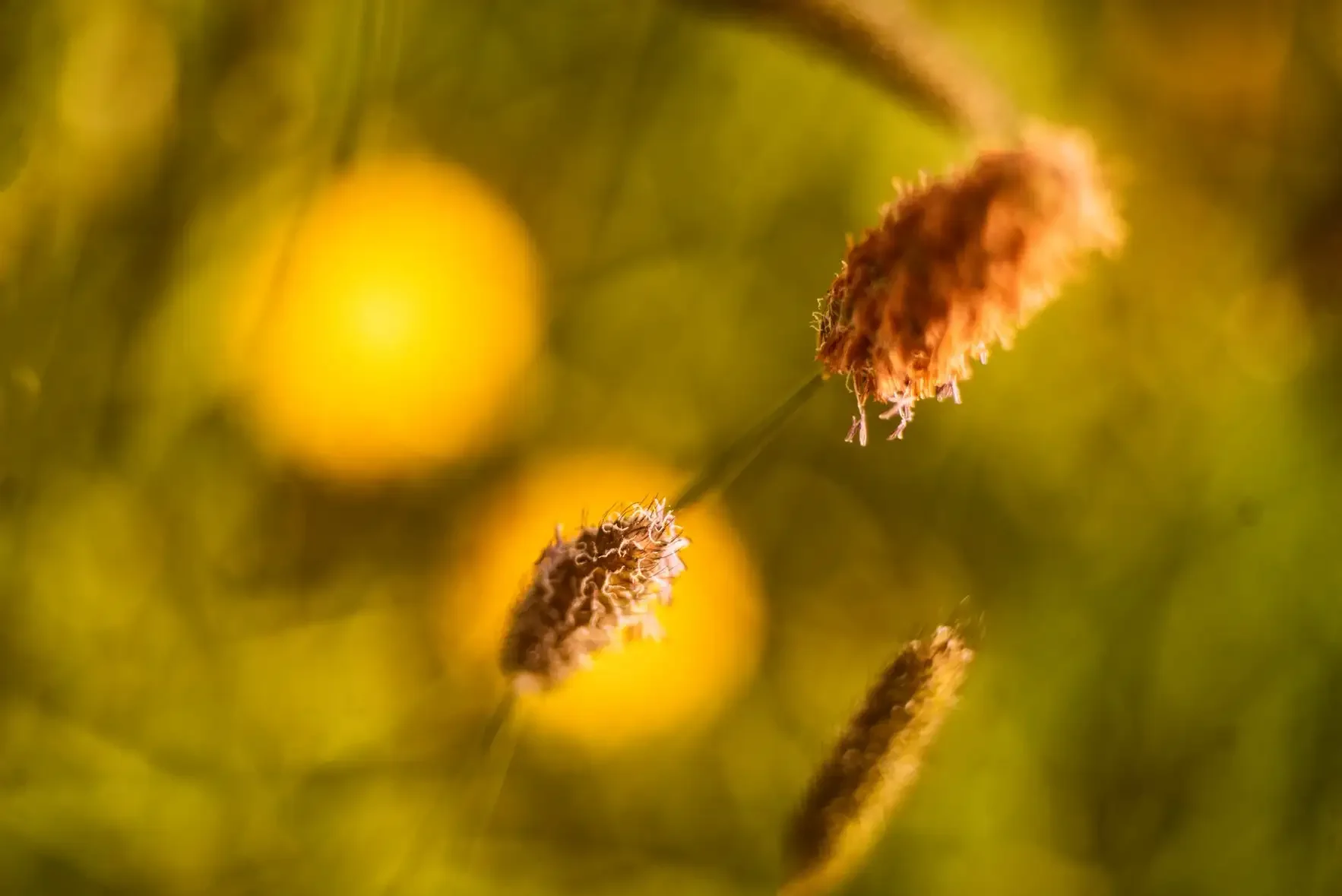
Ribwort Plantain shot on a summers day with a Carousel Projar 100mm Isco-Gottingen Projector Lens adapted to a digital camera
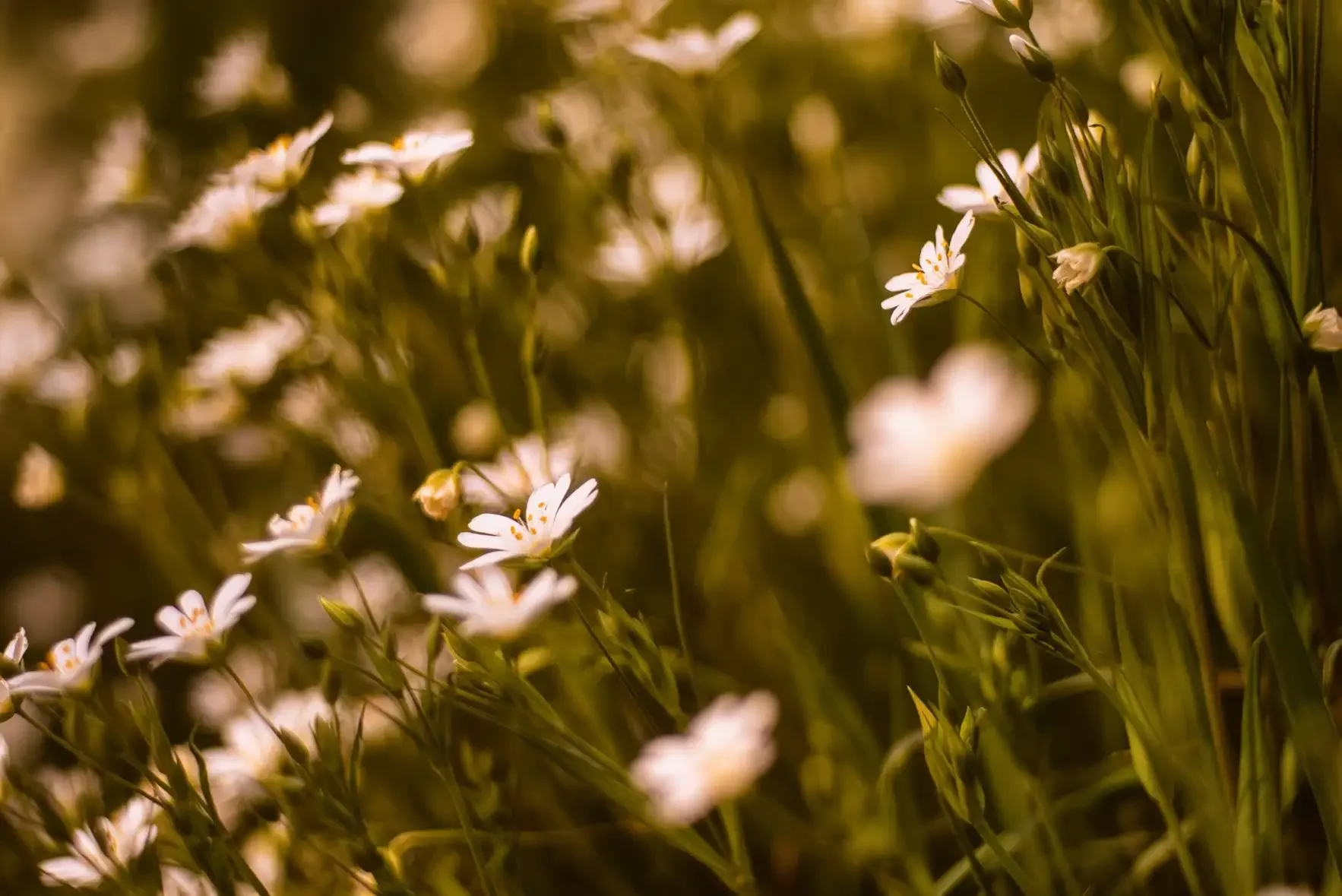
Lesser Stitchwort shot with a Carousel Projar 100mm Isco-Gottingen Projector Lens
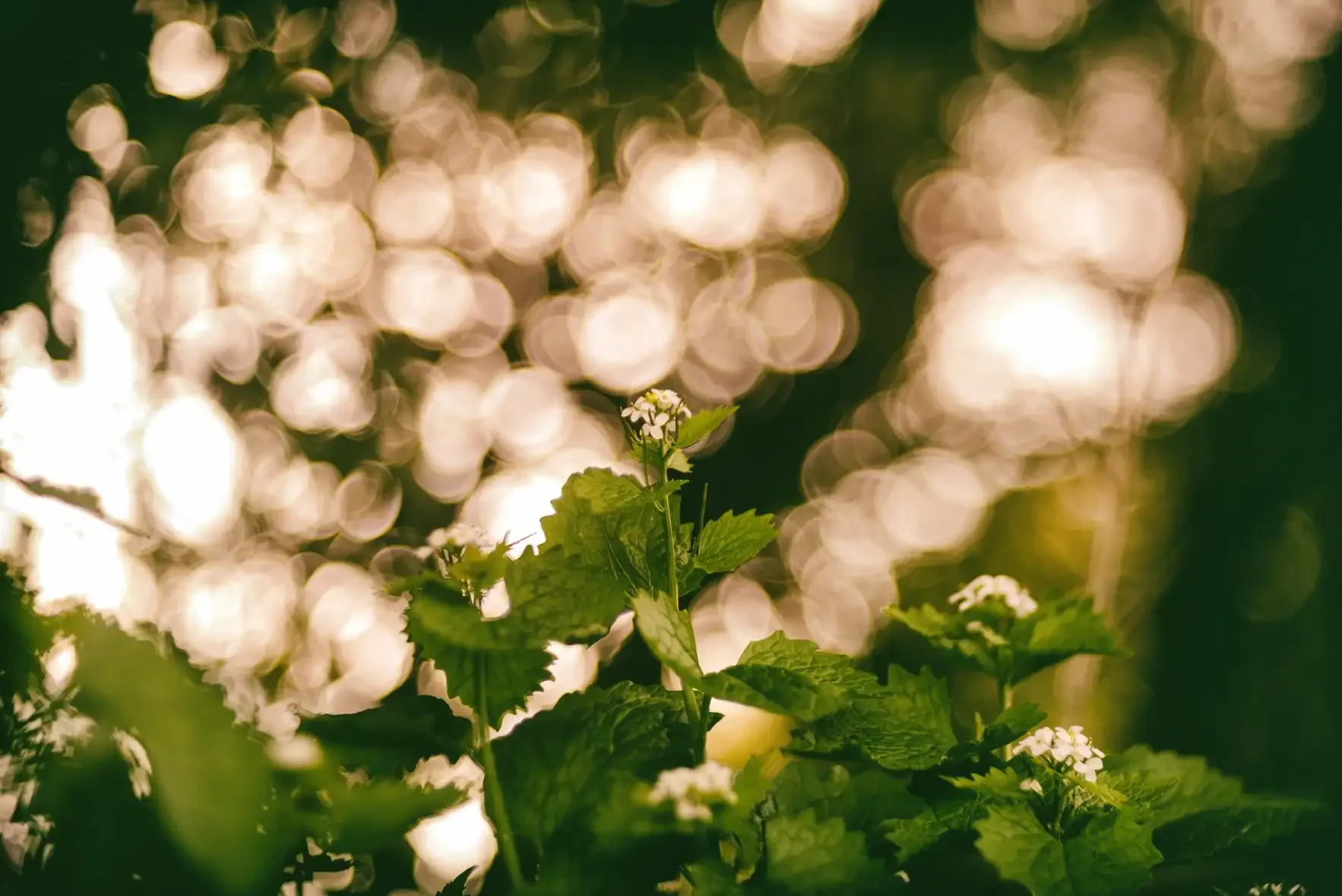
Garlic Mustard Bokeh - An image shot on an adapted projector lens. Rollei-Projar 85mm
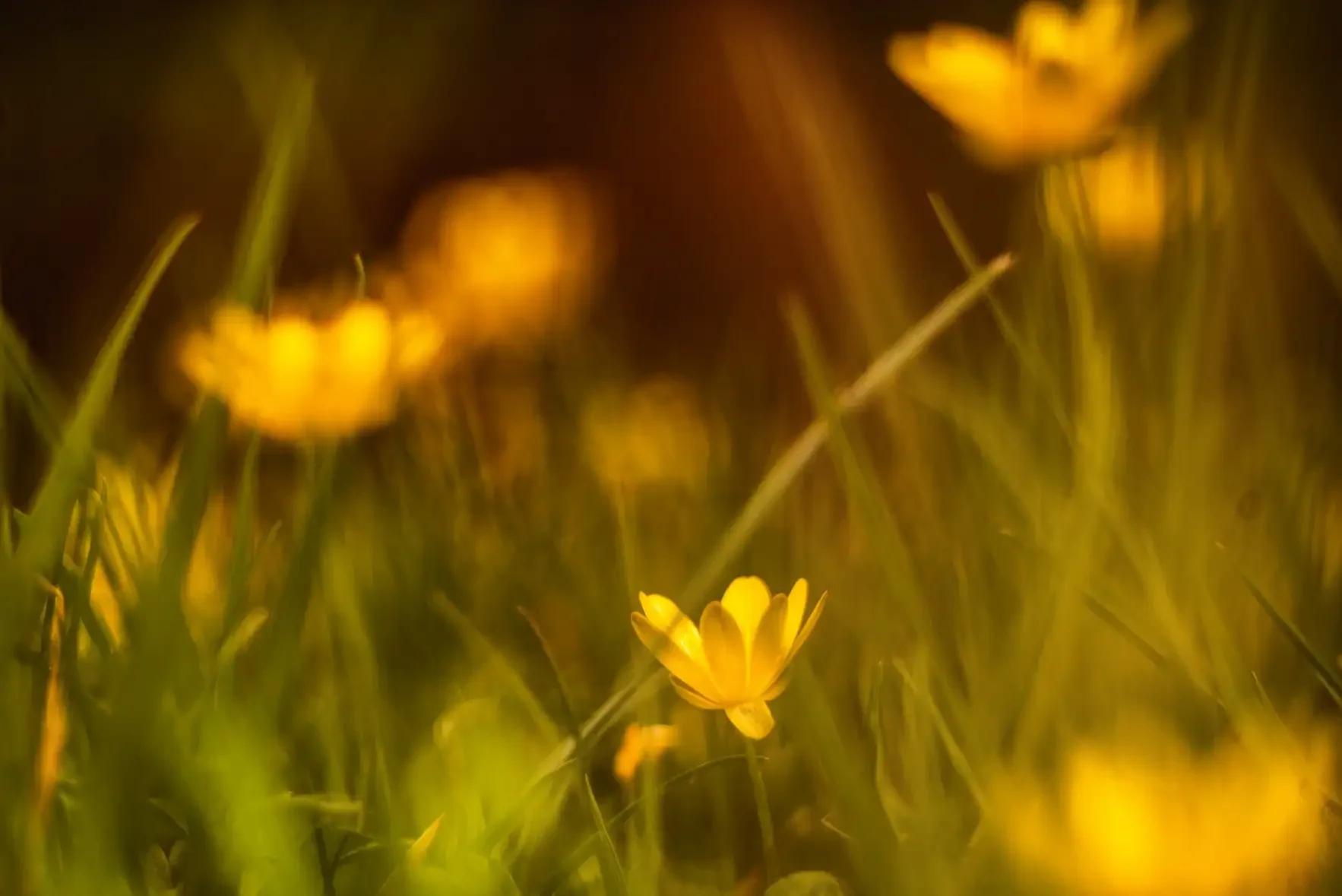
Close-up of small yellow flowers amidst green grass, with a warm, blurry background.
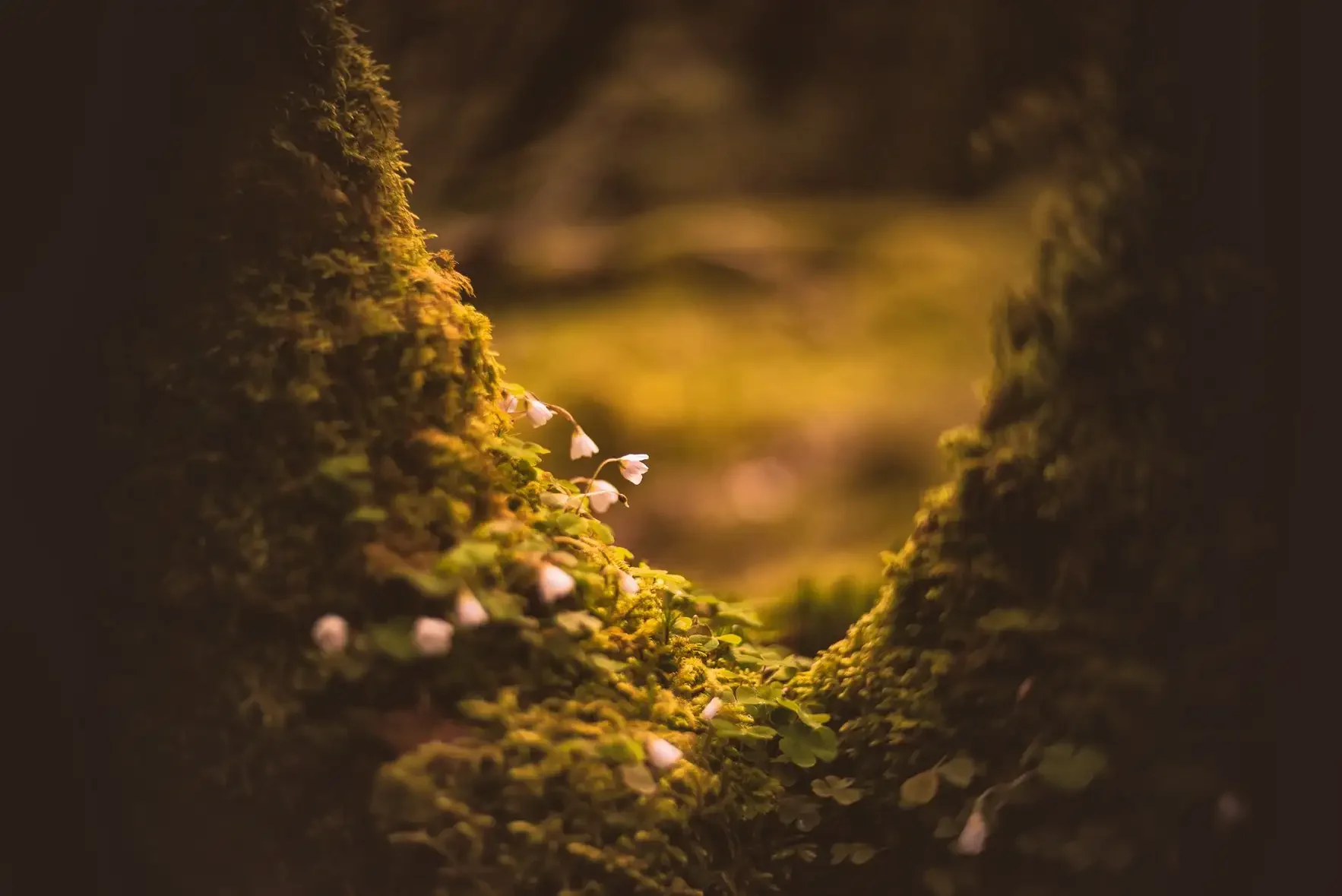
Wood Anemone - shot with an adapted Simplex Ampro Ltd 2½ inch f1.8 Projector Lens
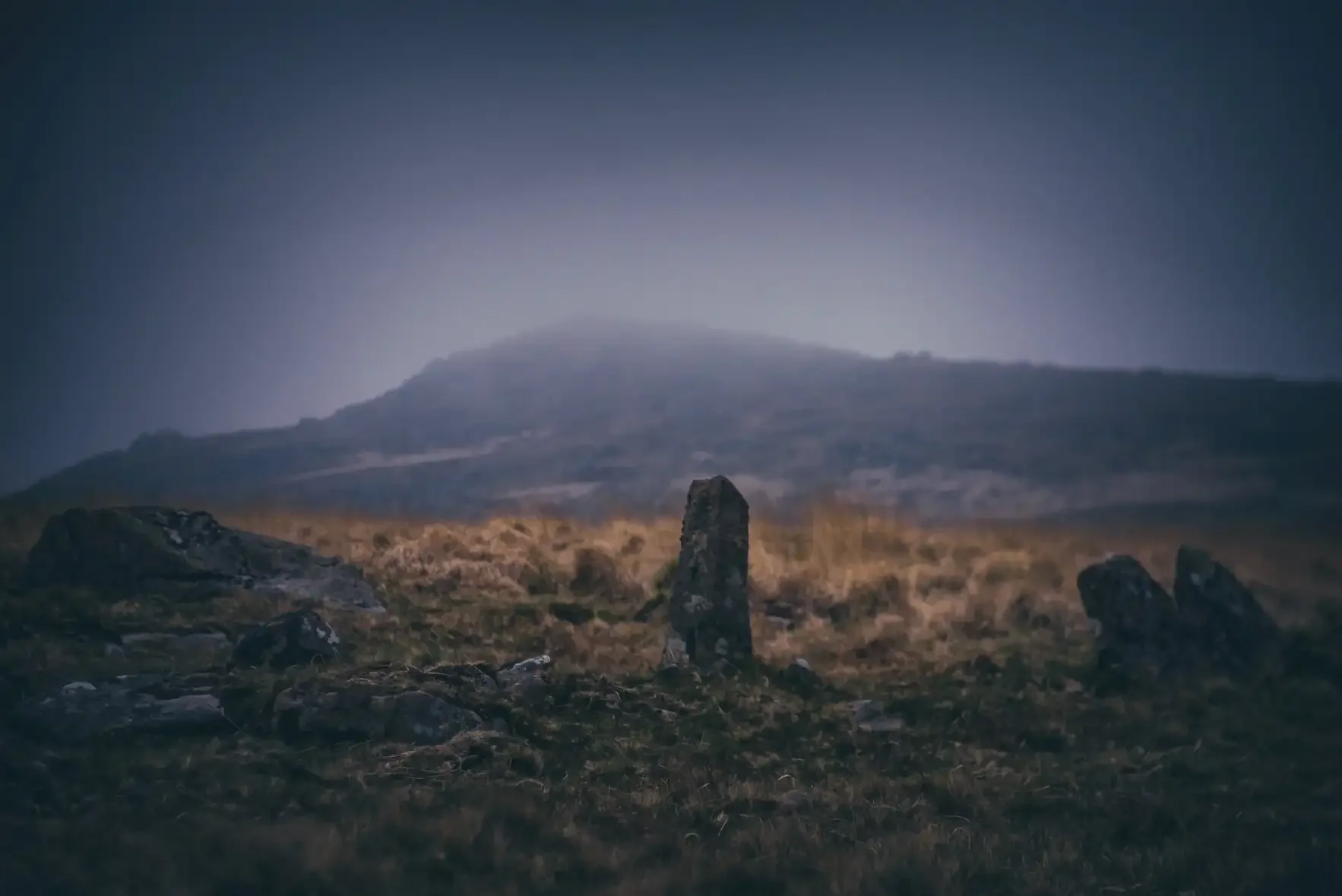
Dartmoor Different - shot with a converted Argus 4 inch Projection f2.8 lens
Some “Freelensing” & a half assed attempt at a Tilt-Shift Lens …
There’s absolutely nothing more inspiring than making it up as you go along. Be prepared to get terrible results, and then learn from those … then, maybe, just maybe, use what you’ve learnt to take better everyday photographs 😁
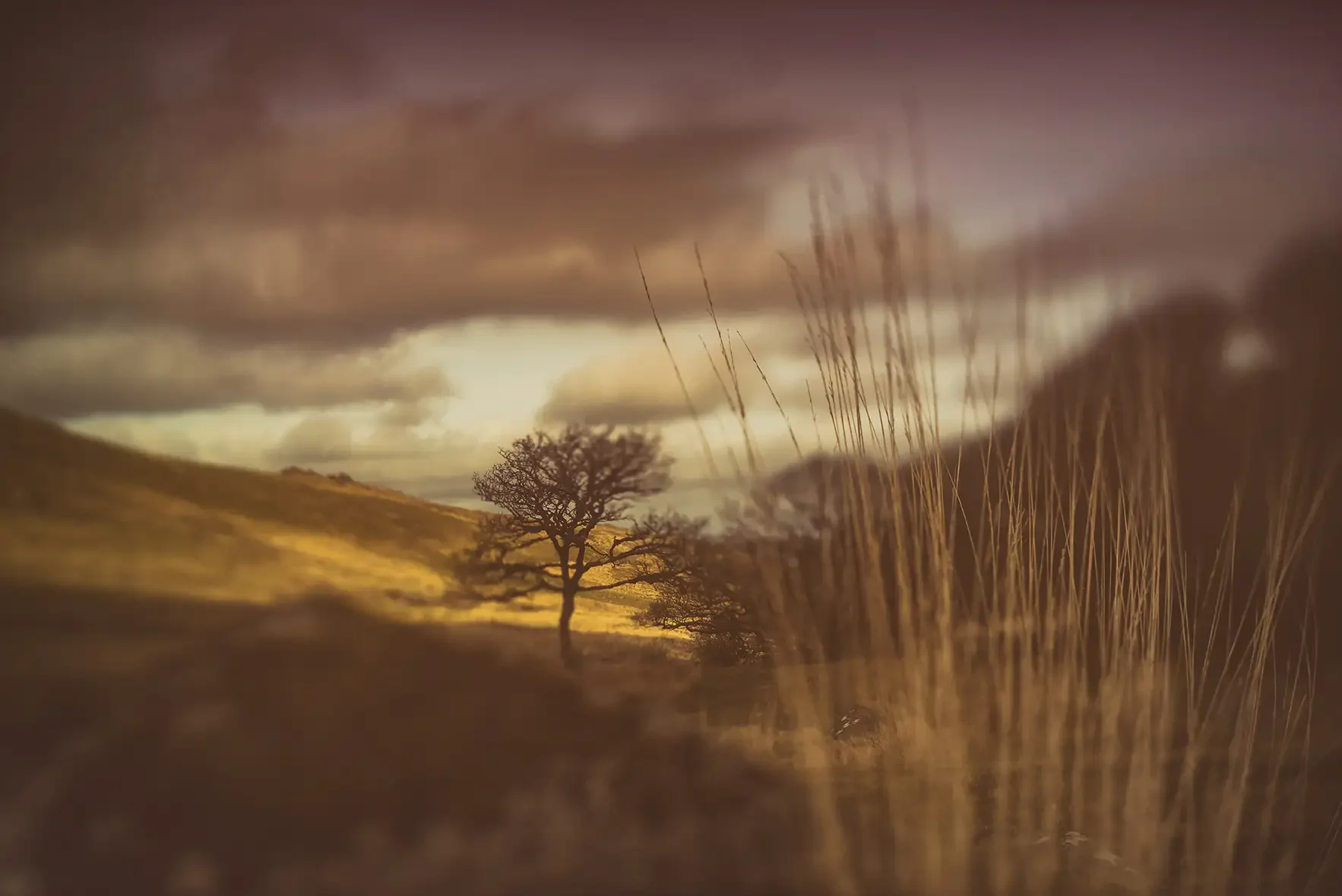
Free lensing on Dartmoor - near Black-a-tor Copse
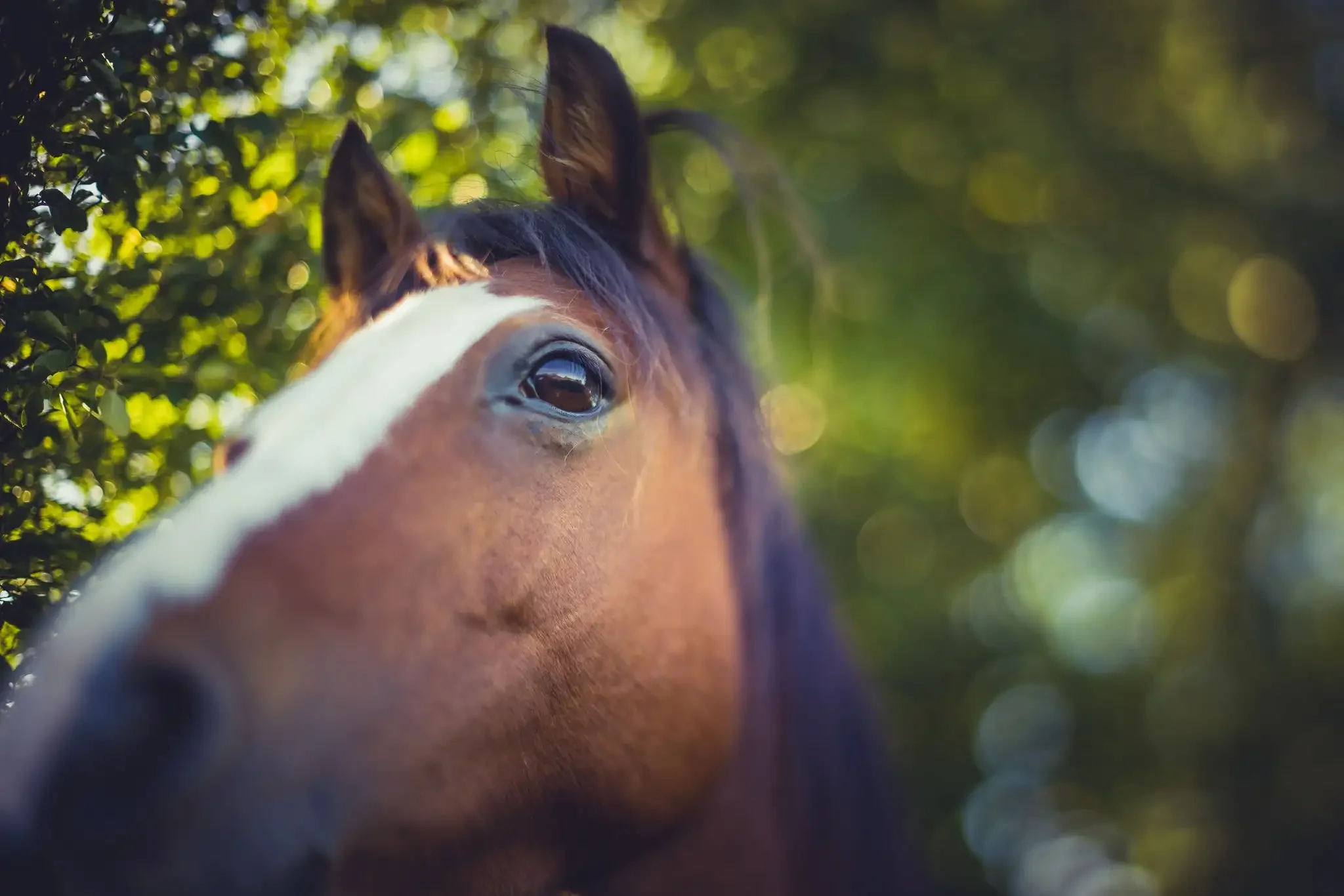
Home made tilt shift lens photograph of a horse -closeup
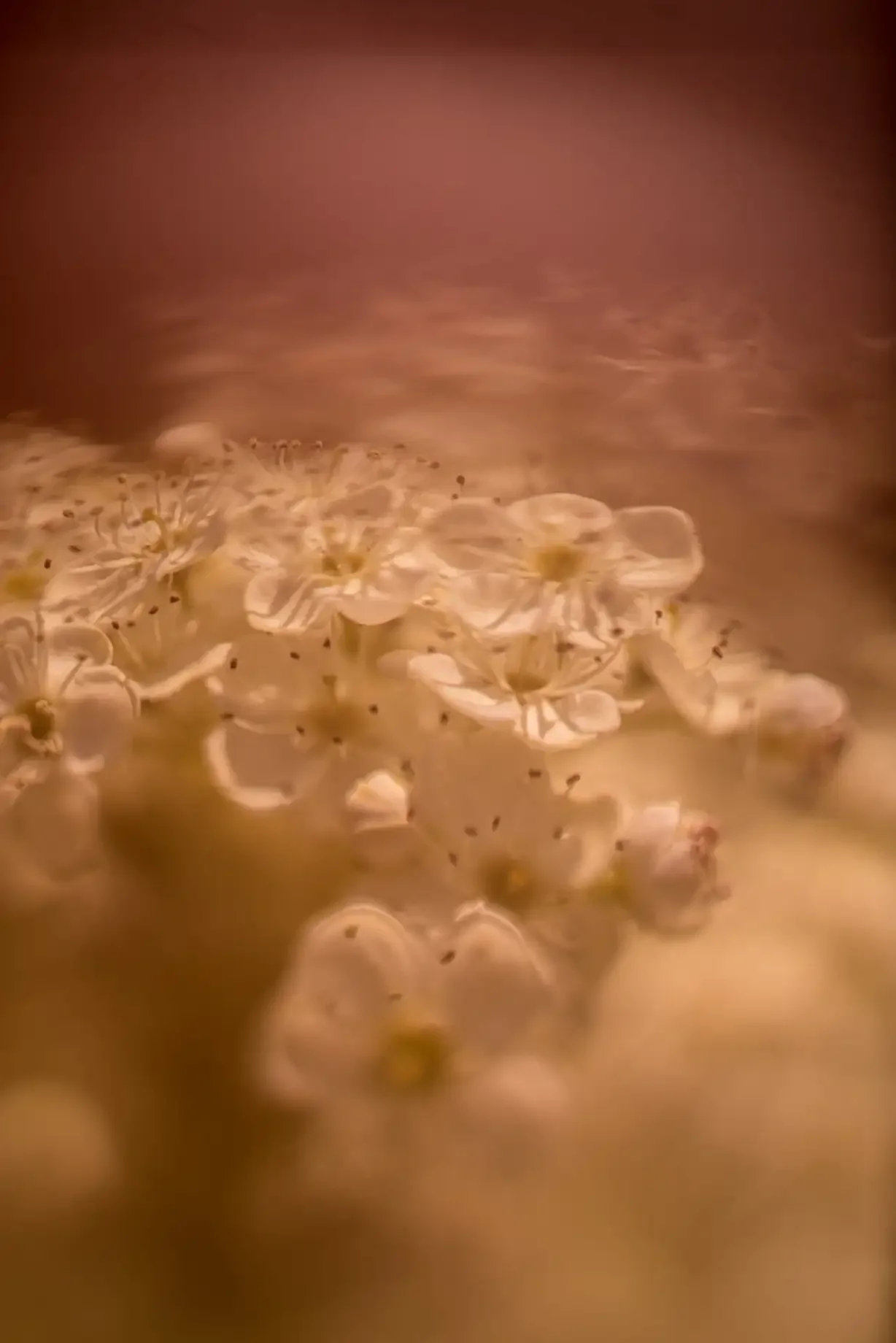
Free Lensing with a Super Takumar
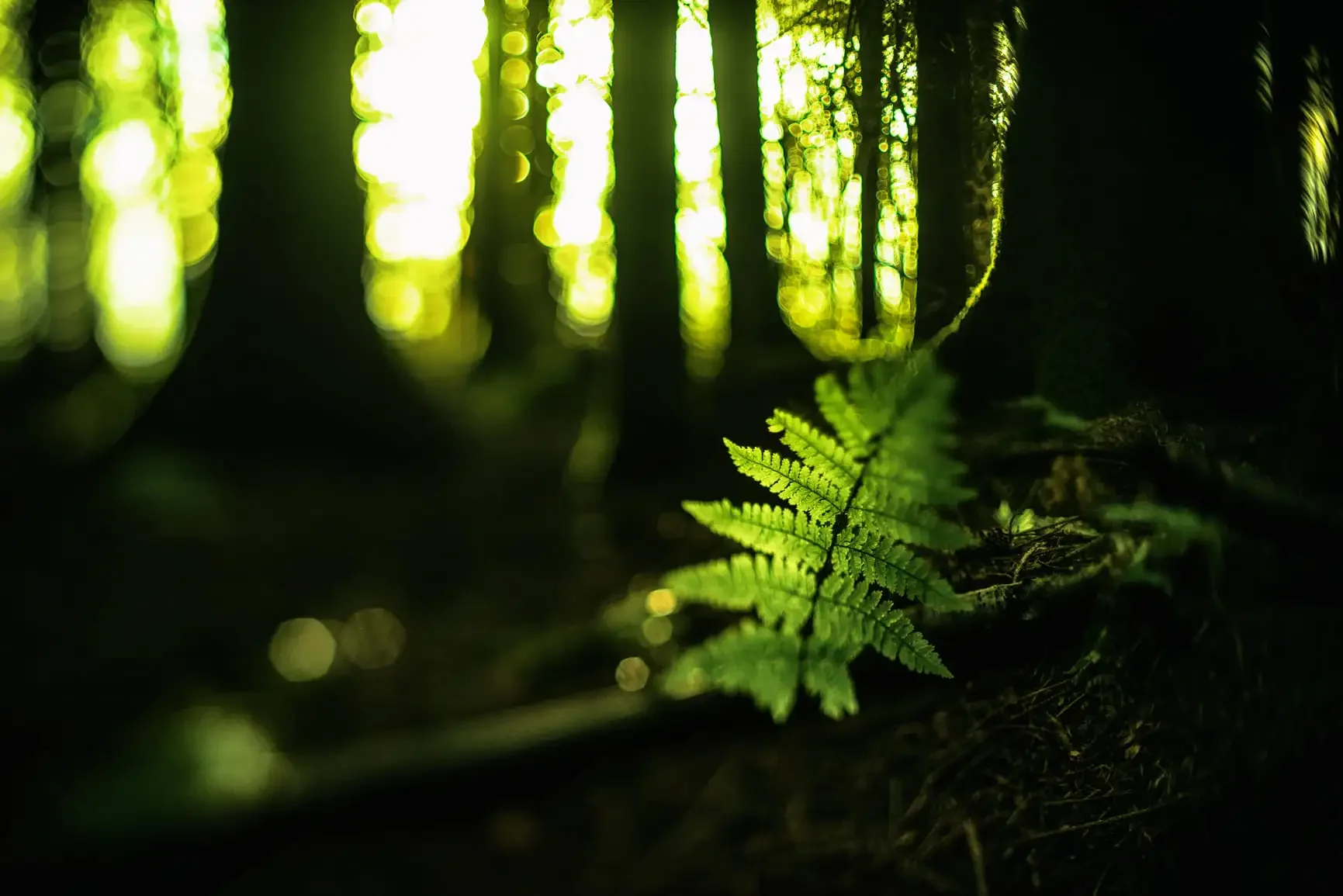
Close-up of a green fern leaf shot on home made tilt shift lens
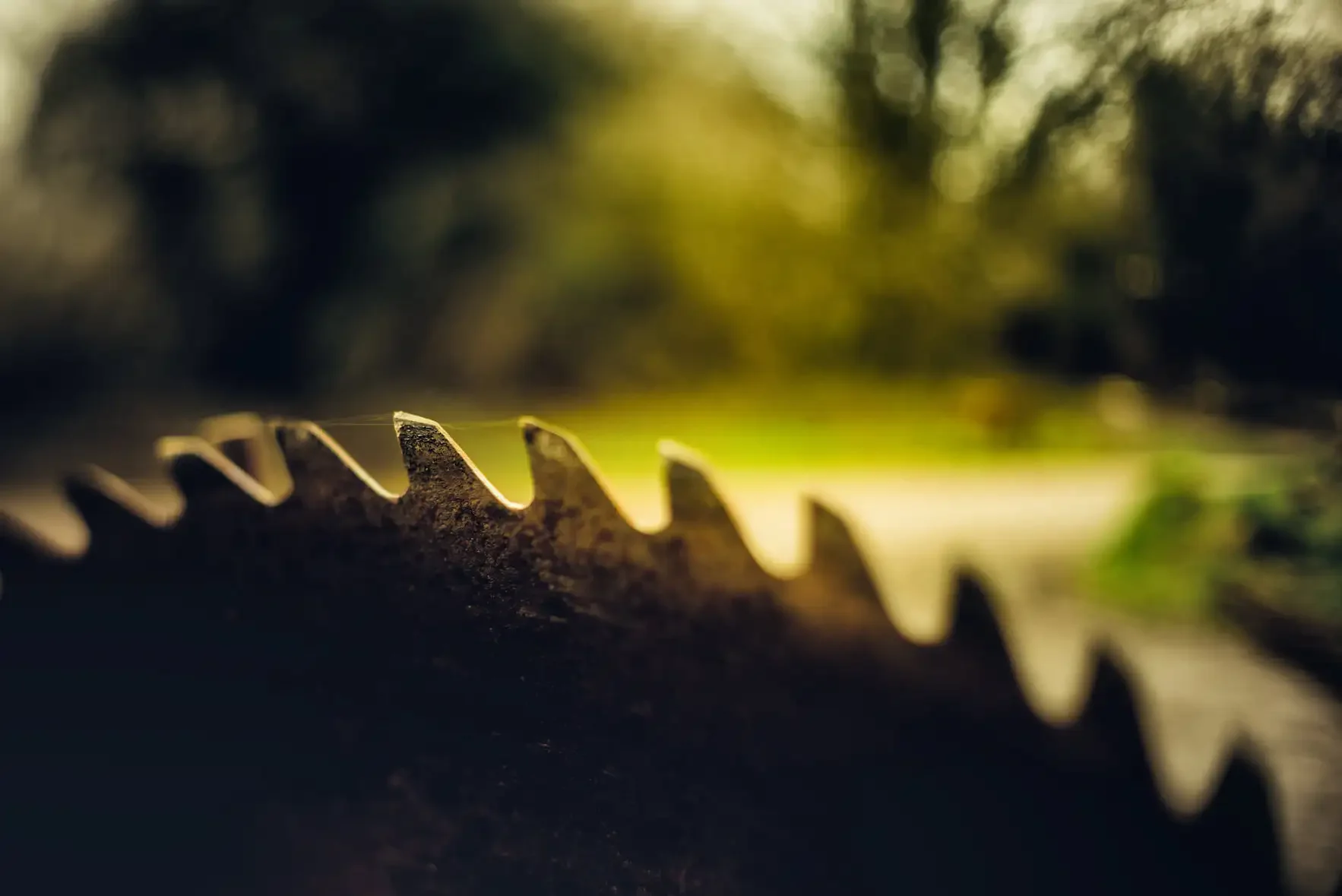
Close-up of a saw blade taken with a home made tilt shift lens
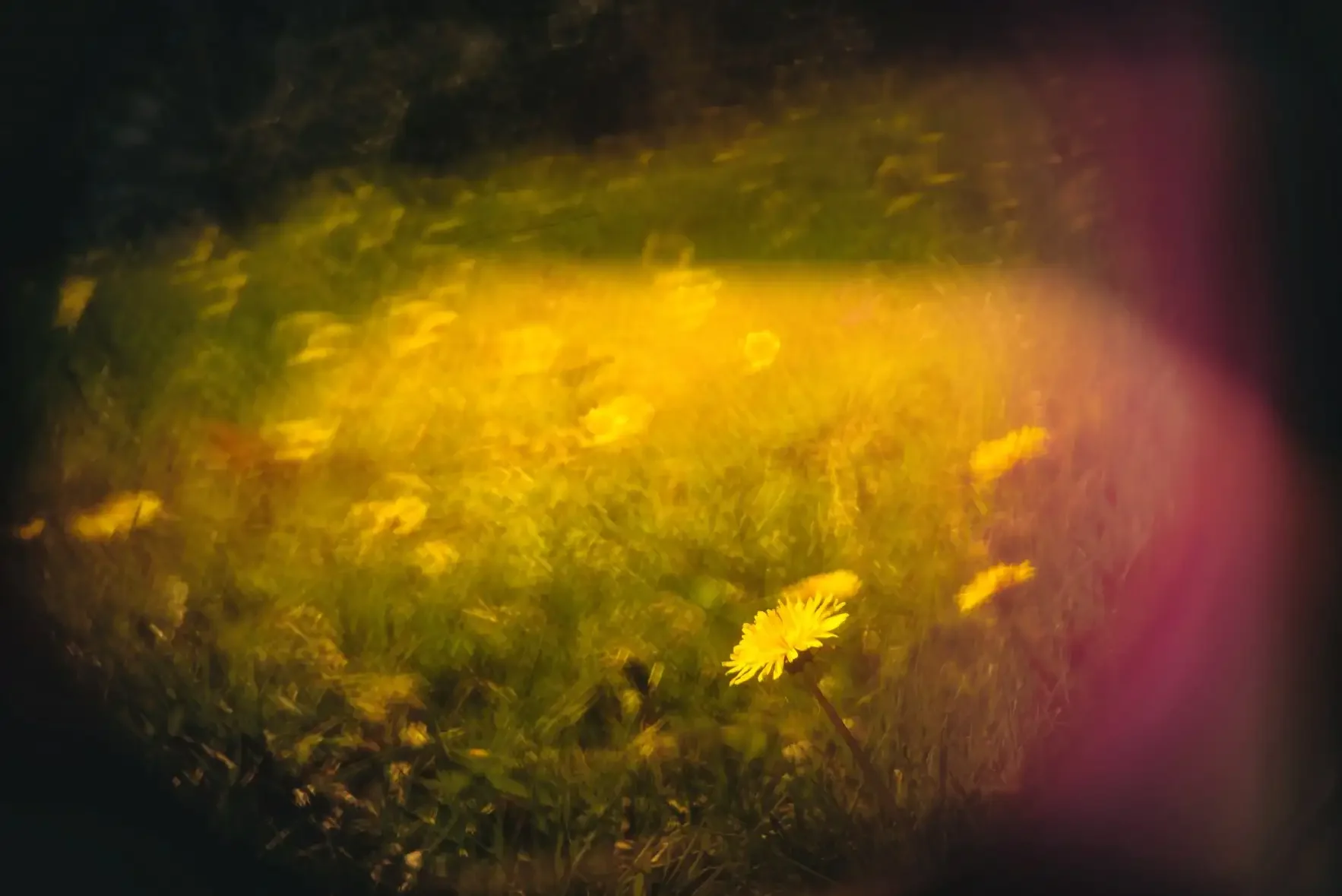
Free Lensing with my adapted TV Lens
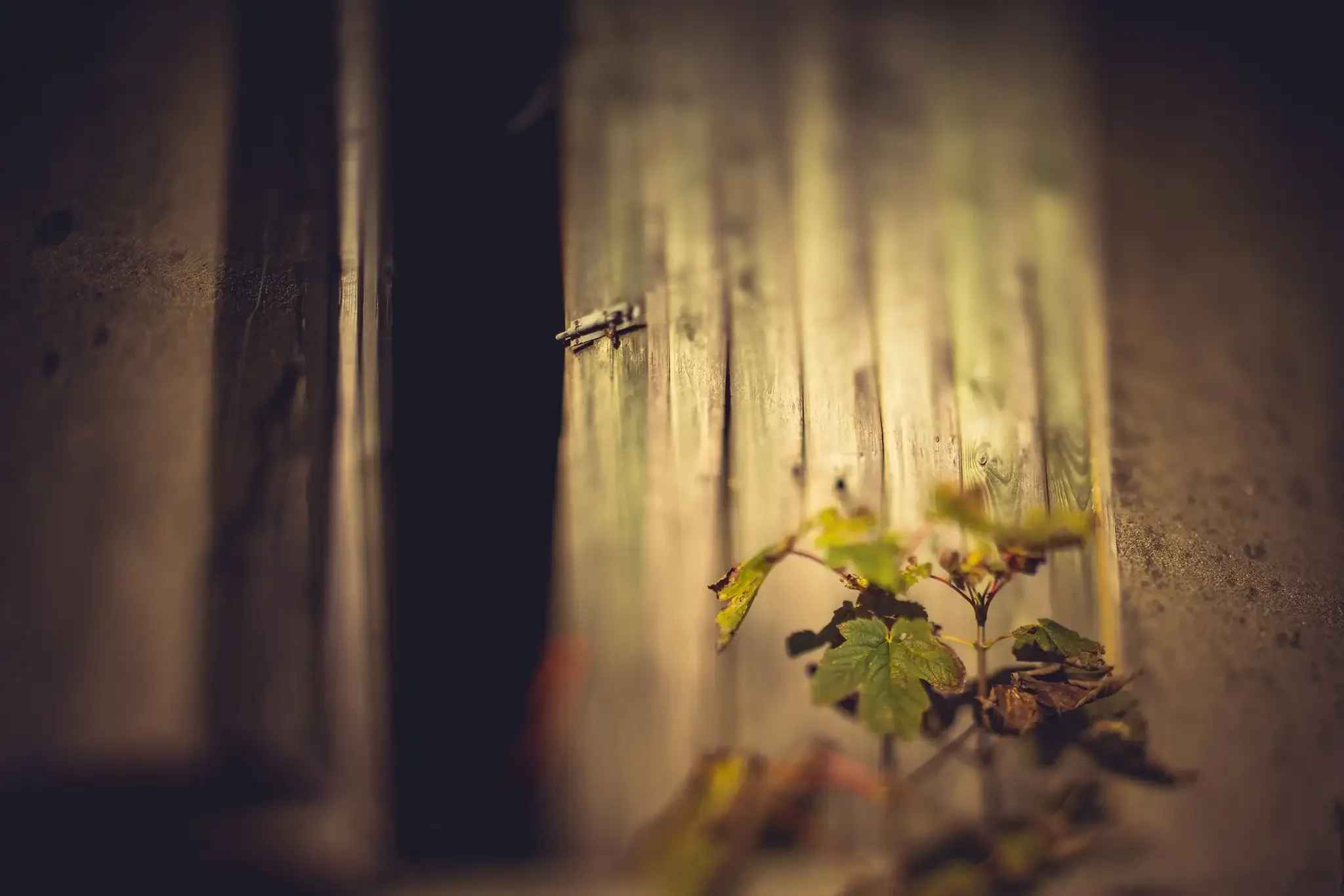
Barn Door shot with a home made tilt shift lens
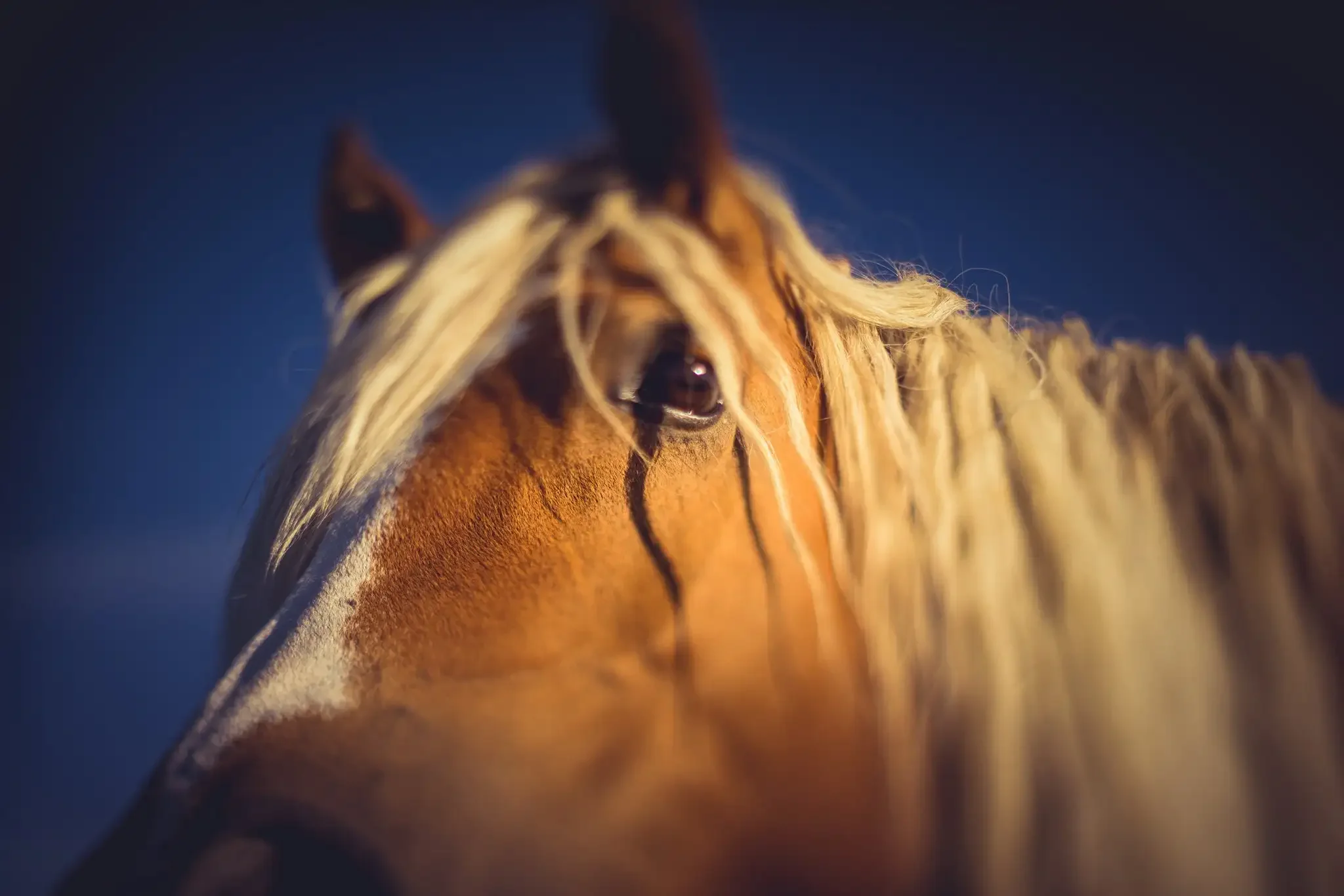
Homemade Tilt-Shift Lens of a friend's horse
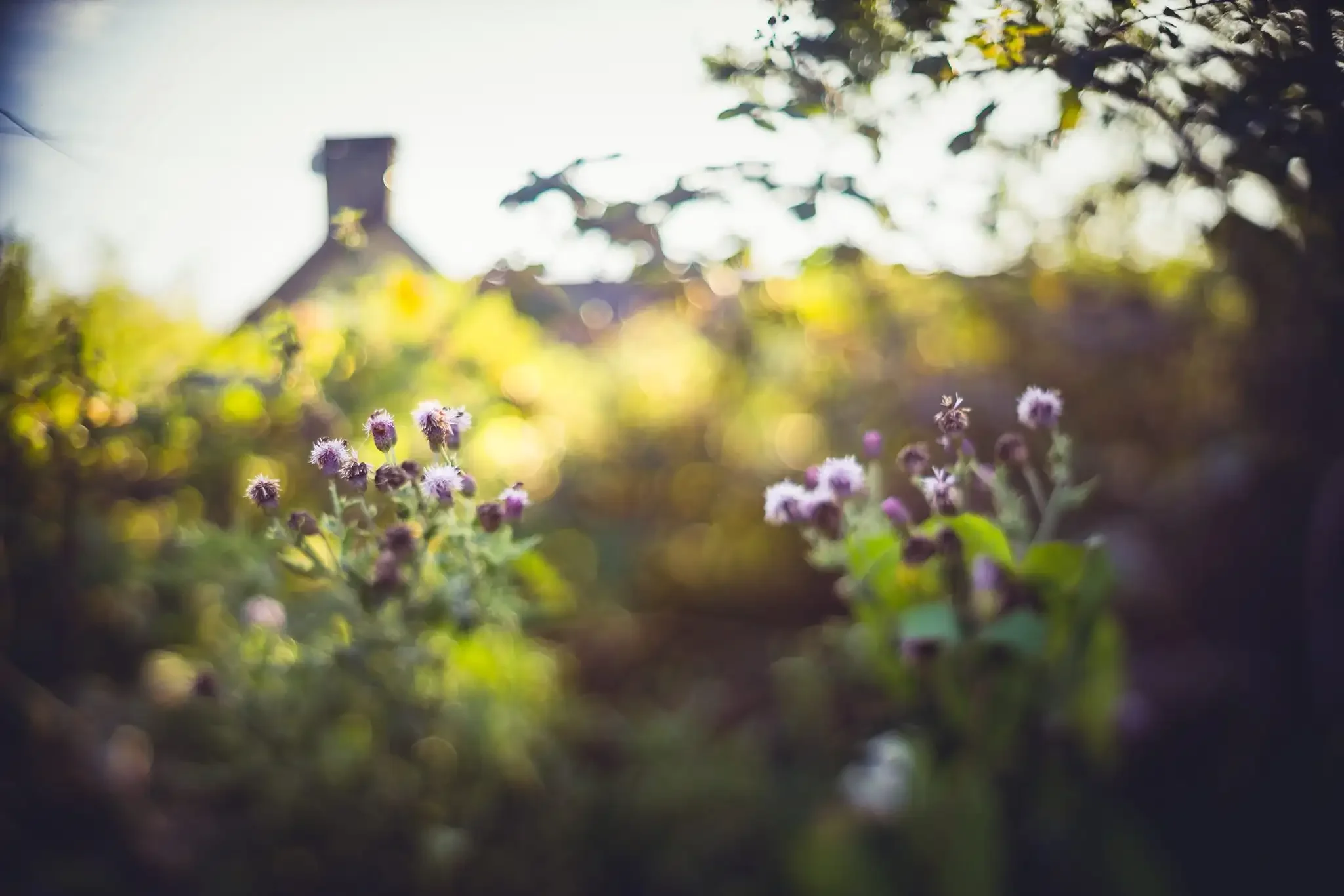
Home made tilt shift lens
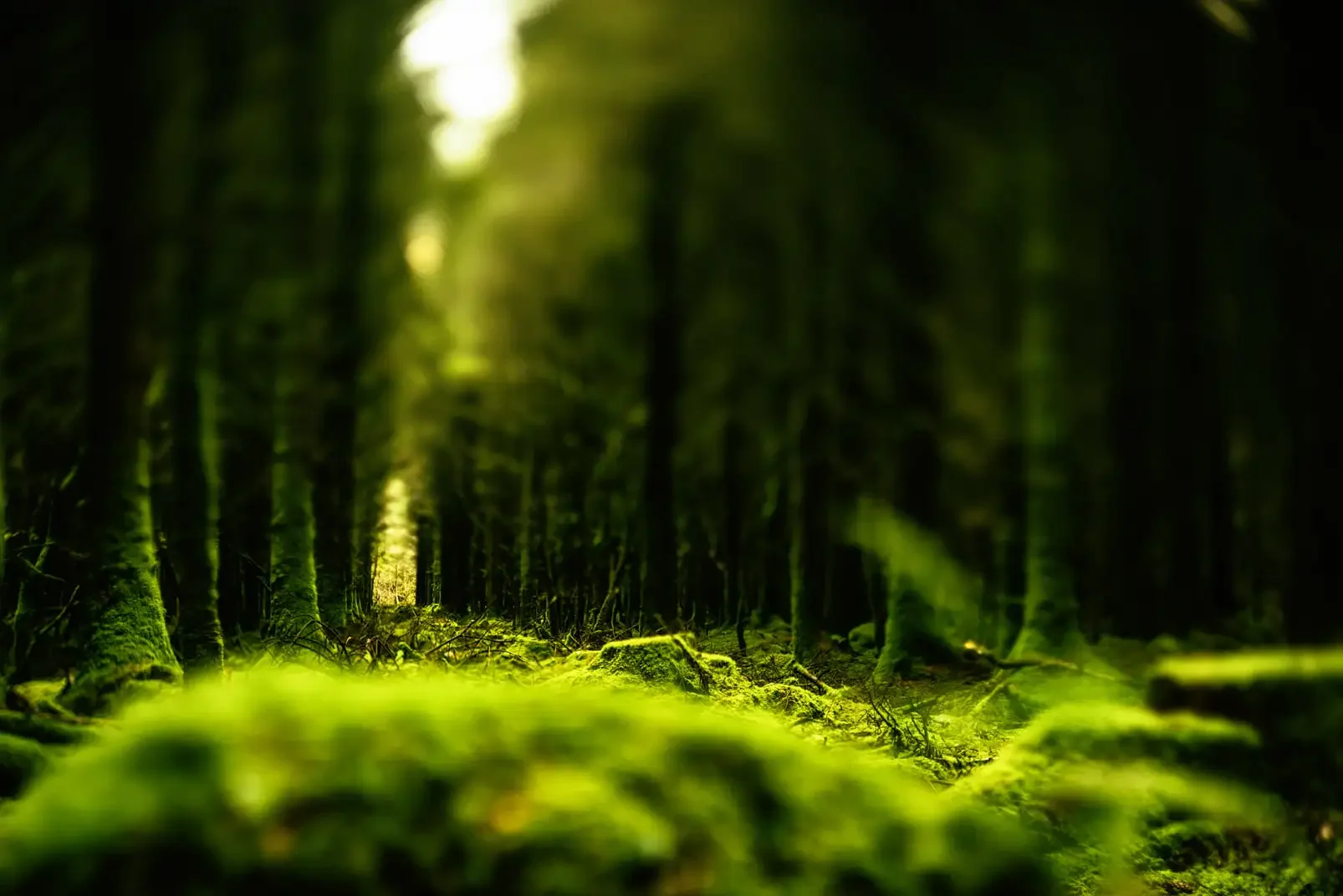
In the forest with my home made tilt shift lens
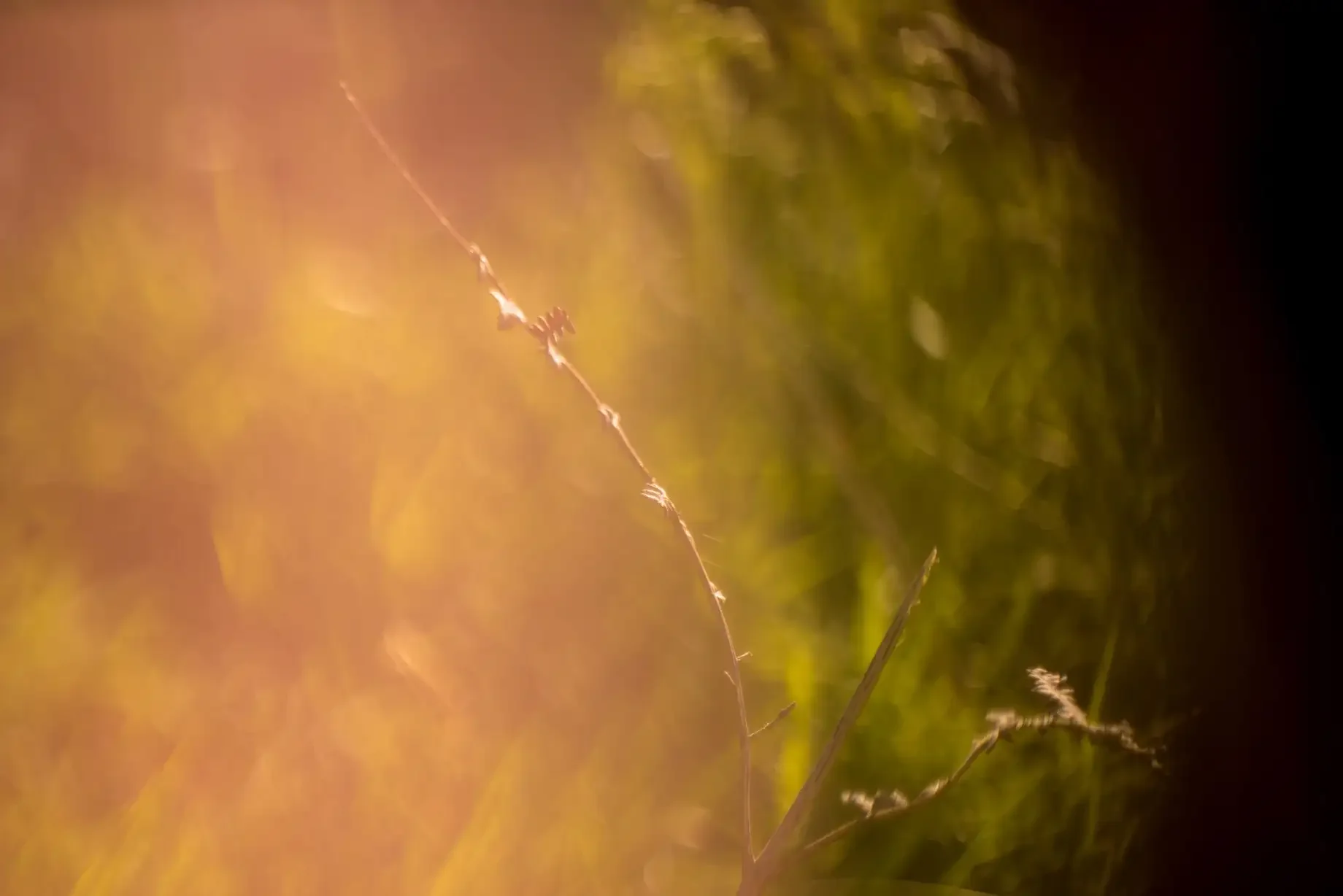
Free Lensing with a TV Lens
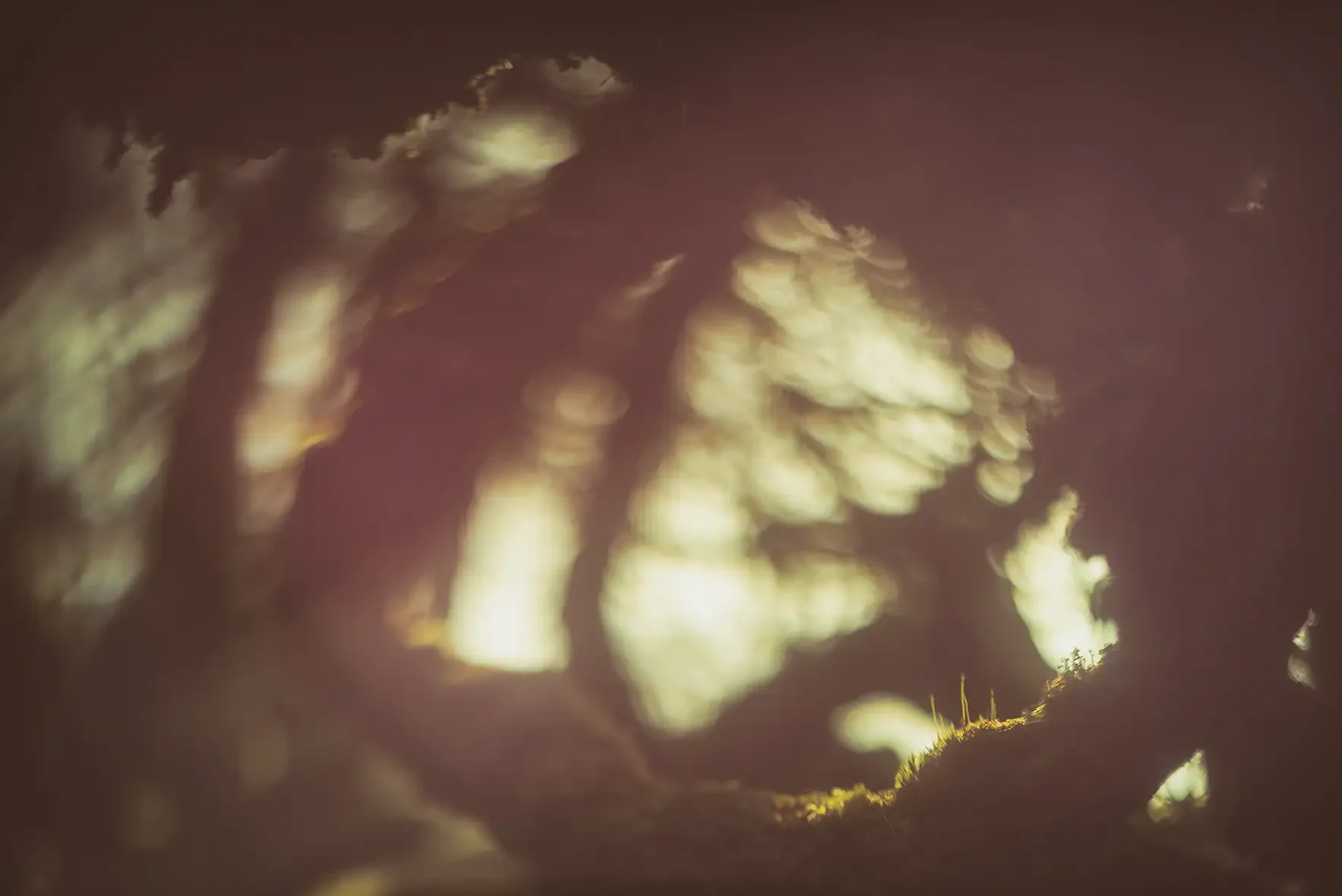
Free Lensing in the woods
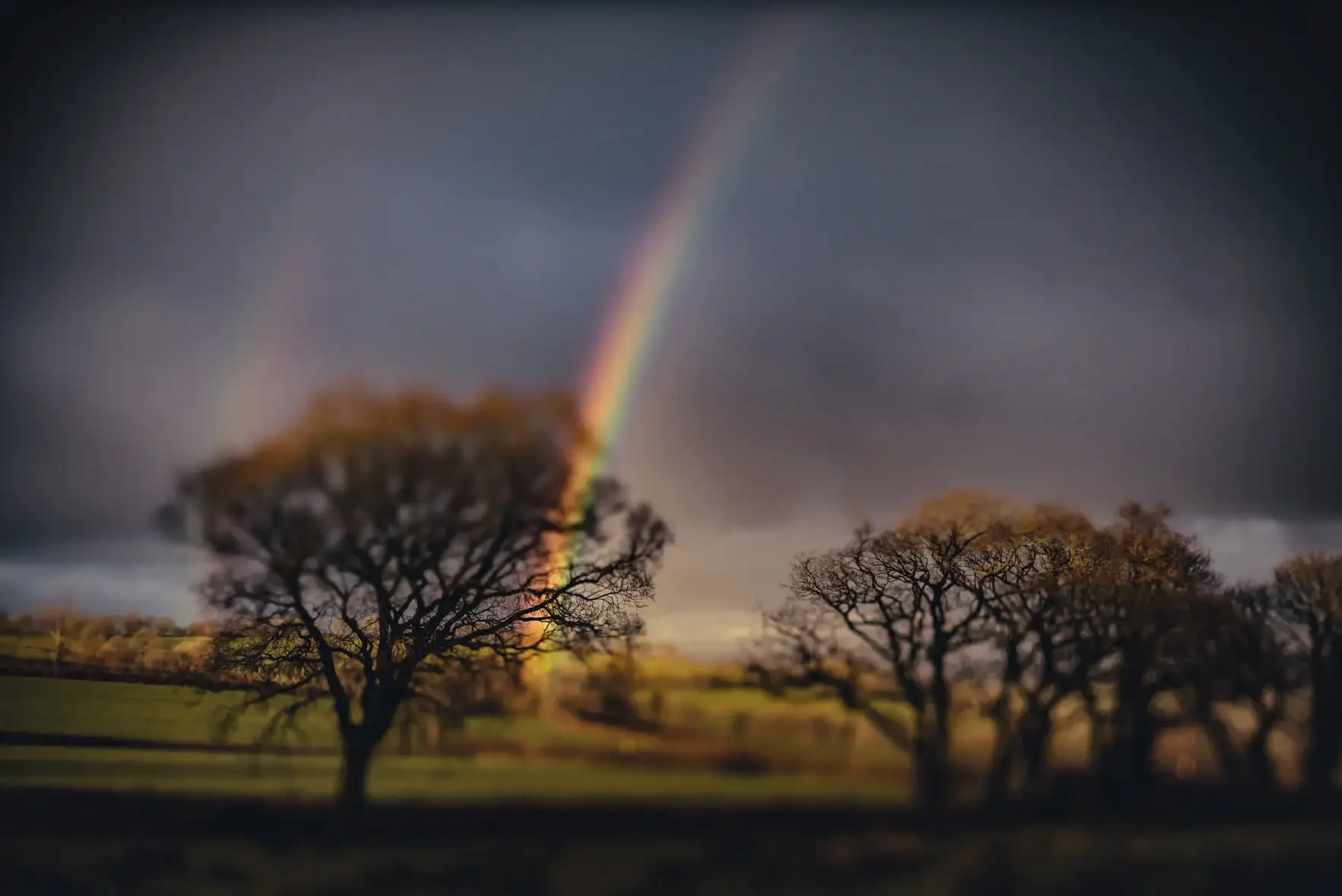
Tilt Shift Rainbow
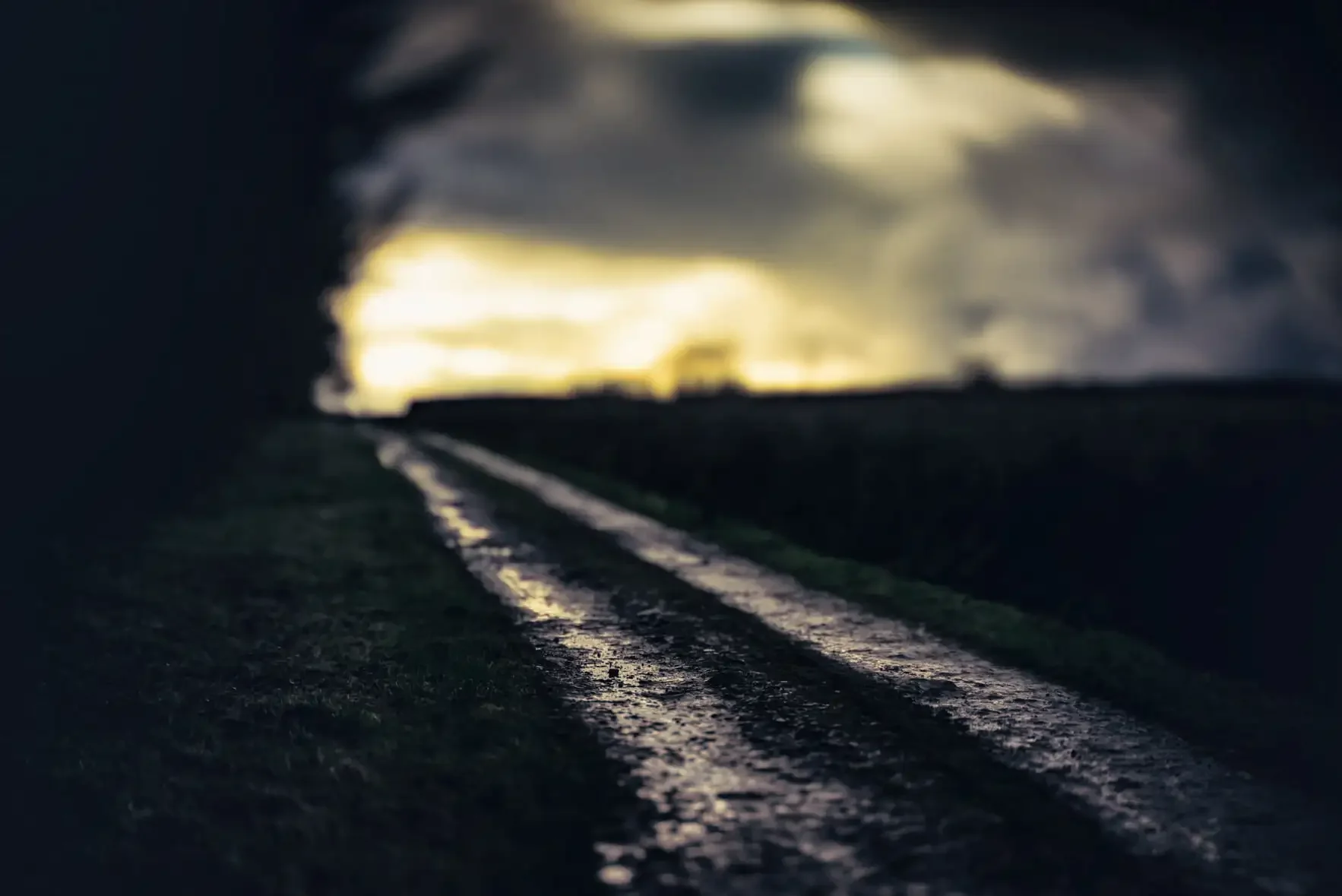
Home Made Tilt Shift Lens - The Road
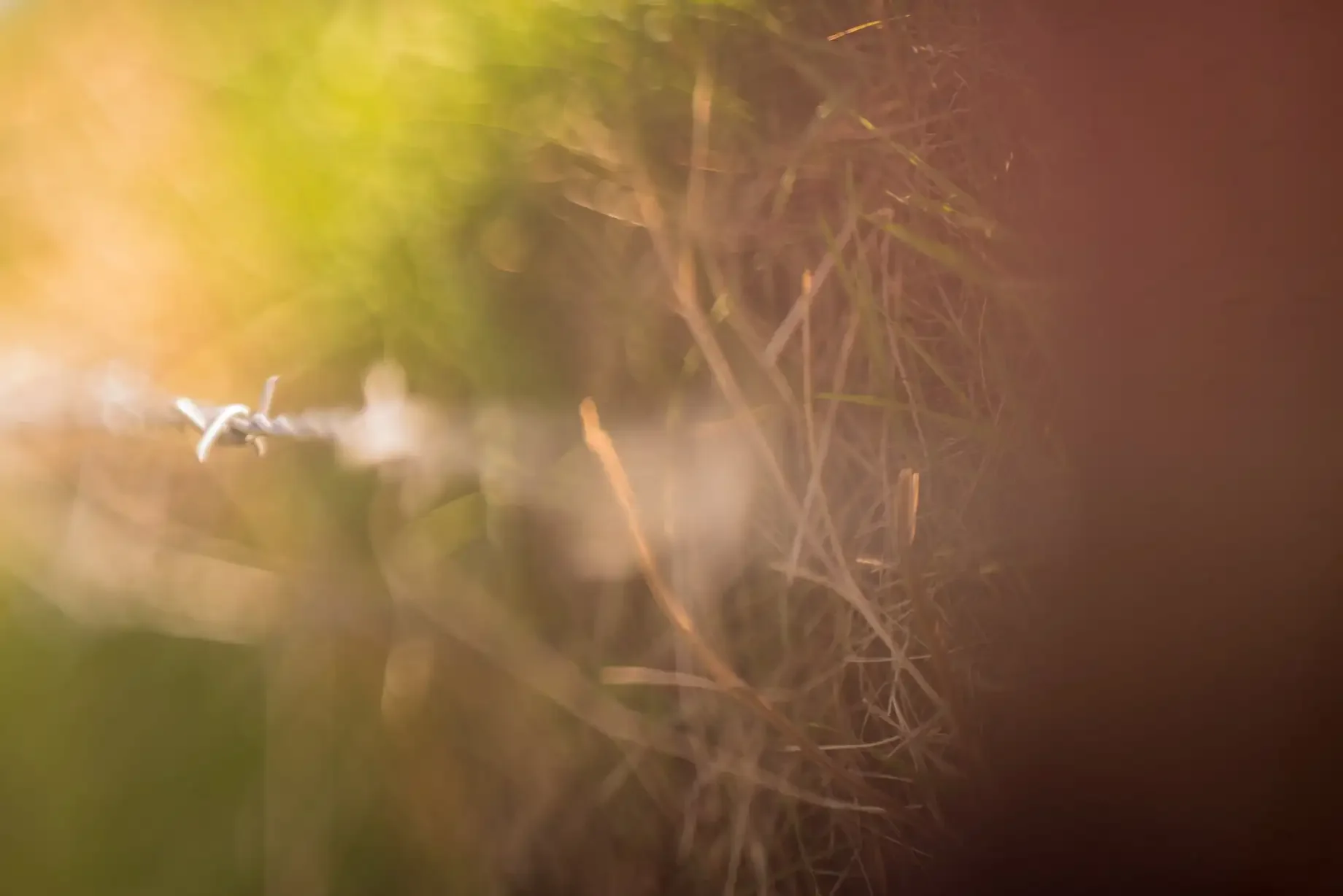
Barbed Wire Free Lensing
A few odd lenses …
If you’re not aware, you can adapt most old film camera lenses to work on your digital camera - there tends to be a menu section on your camera that allows for “Shoot w/o Lens” (Without) basically the lens has zero electronic connection to the lens, however things like the viewfinder and the sensor work normally and you easily use the built in light meter to adjust how you want your images to look.
I tend to like to have control over my depth of field, so I adjust the lens to the aperture I want to use and allow the camera to choose the shutter speed. I can override settings and under/over expose when I want to … Google using manual lenses on your camera!
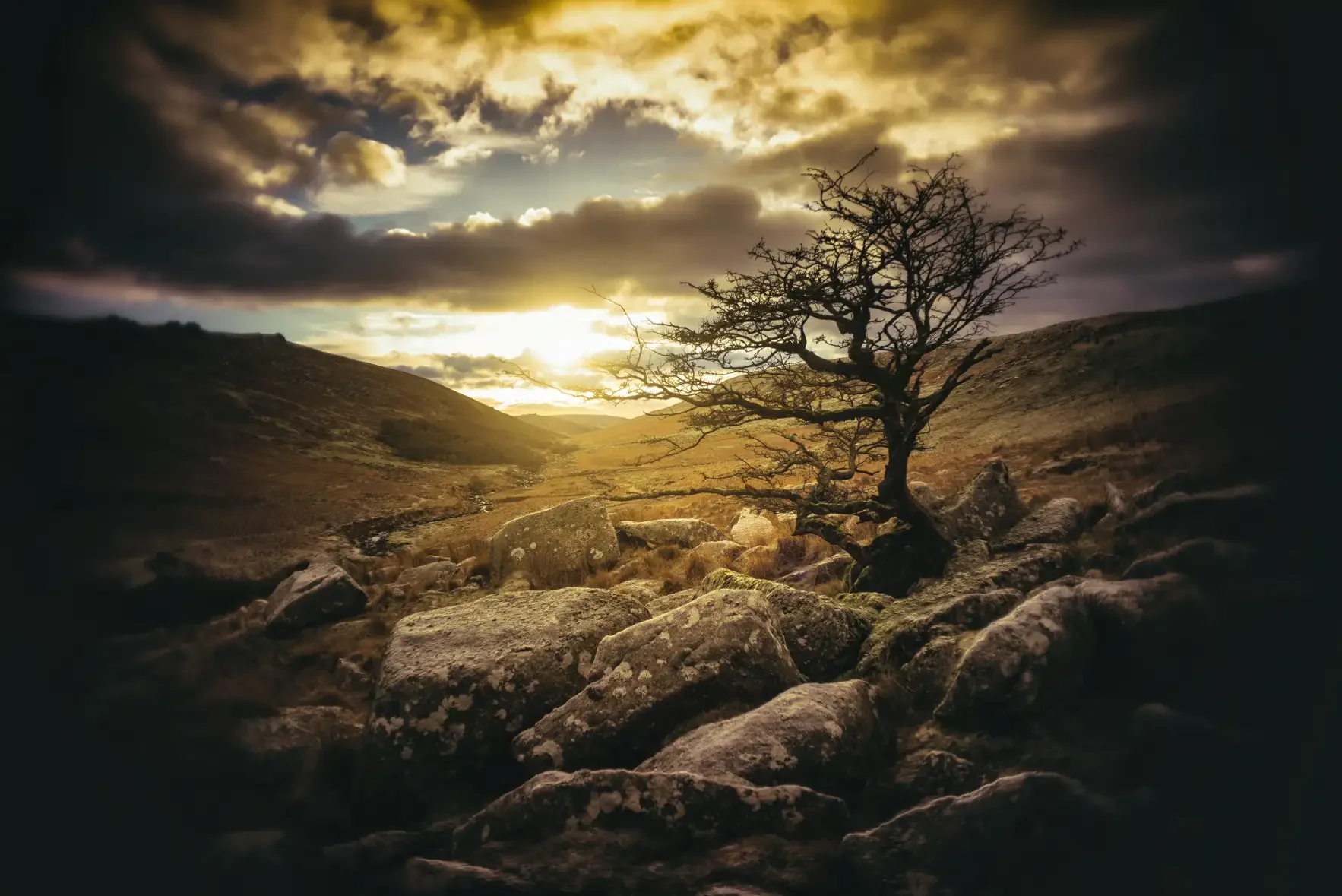
Hawthorn on the edge of Shelstone Tor on Dartmoor shot on a Pentax 110 24mm f2.8 lens
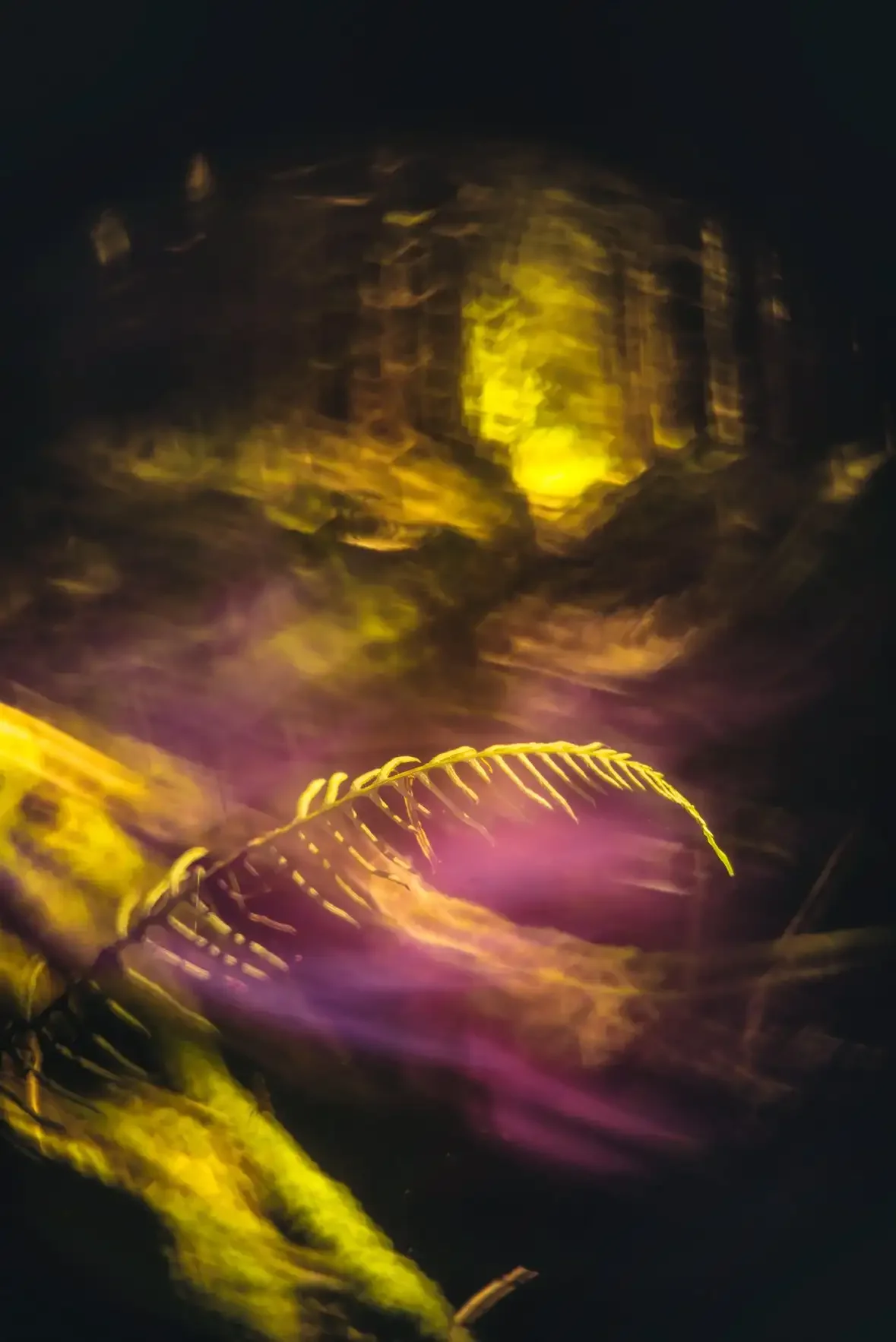
Fern in a local forest with mad bokeh created by an adapted 75mm Cosmicar TV lens
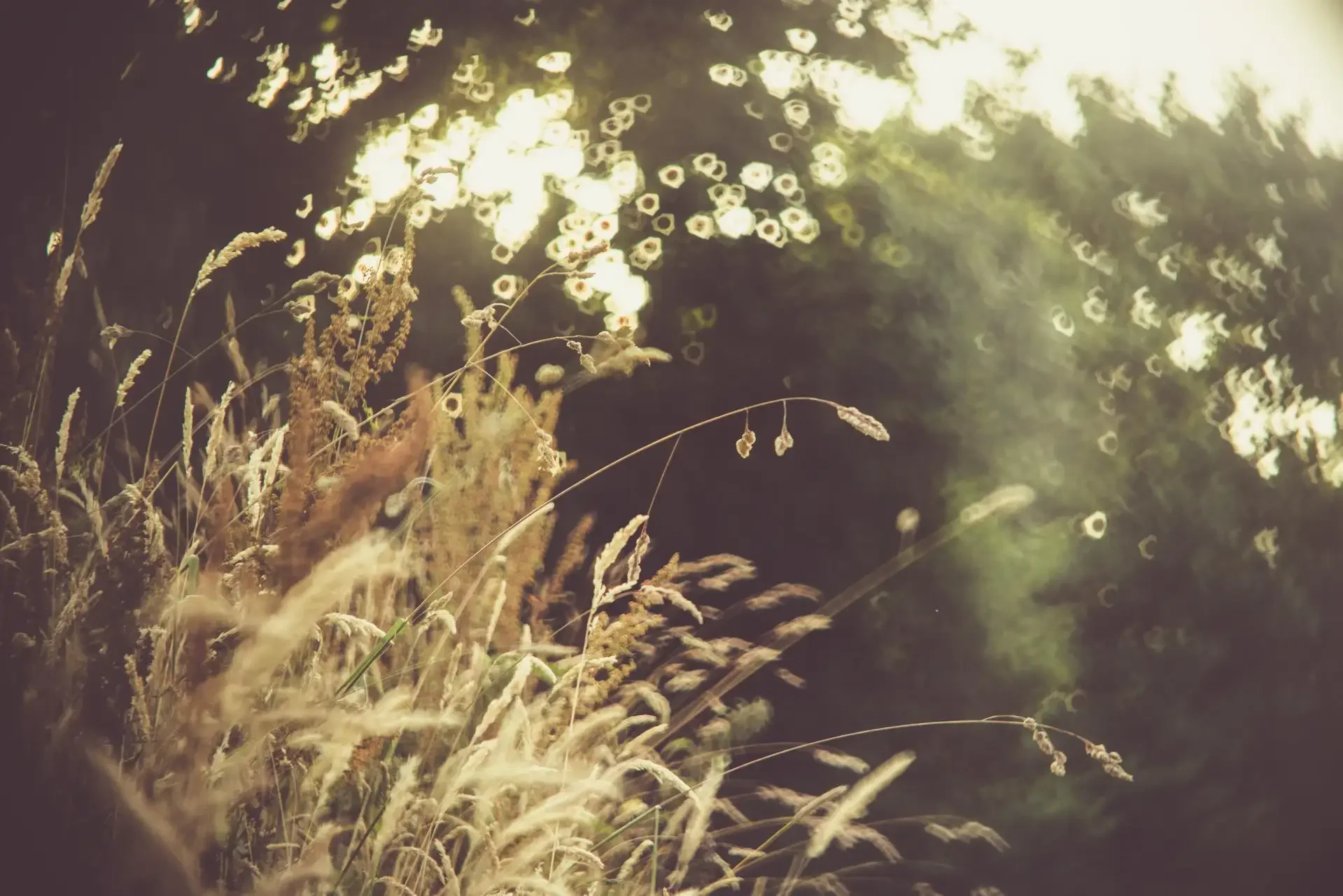
Close-up of tall grass shot on an adapted 75mm Cosmicar TV lens
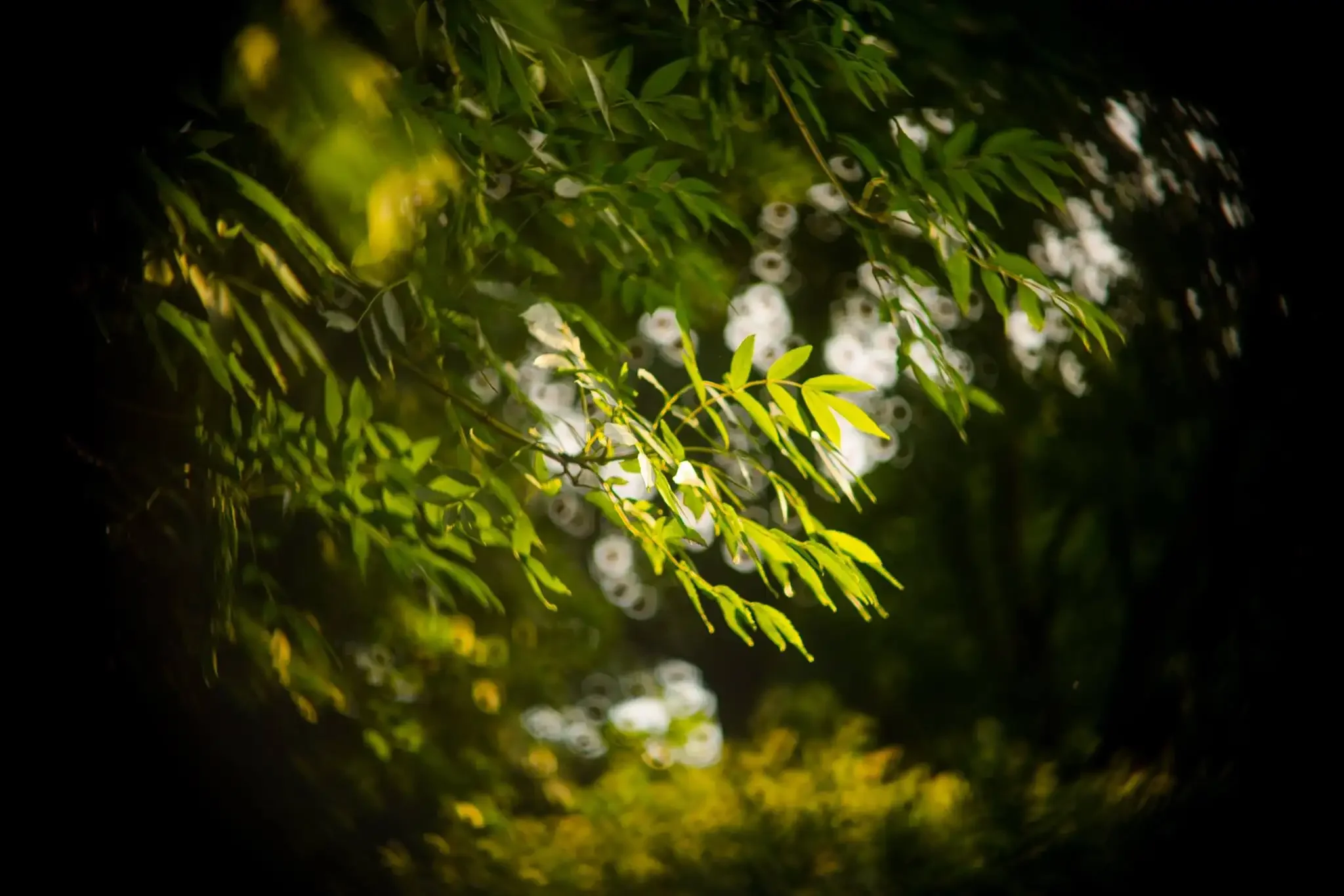
Young Ash leaves shot using an adapted 75mm Cosmicar TV lens - the hex bokeh is due to the lens having a section of lens blackened out
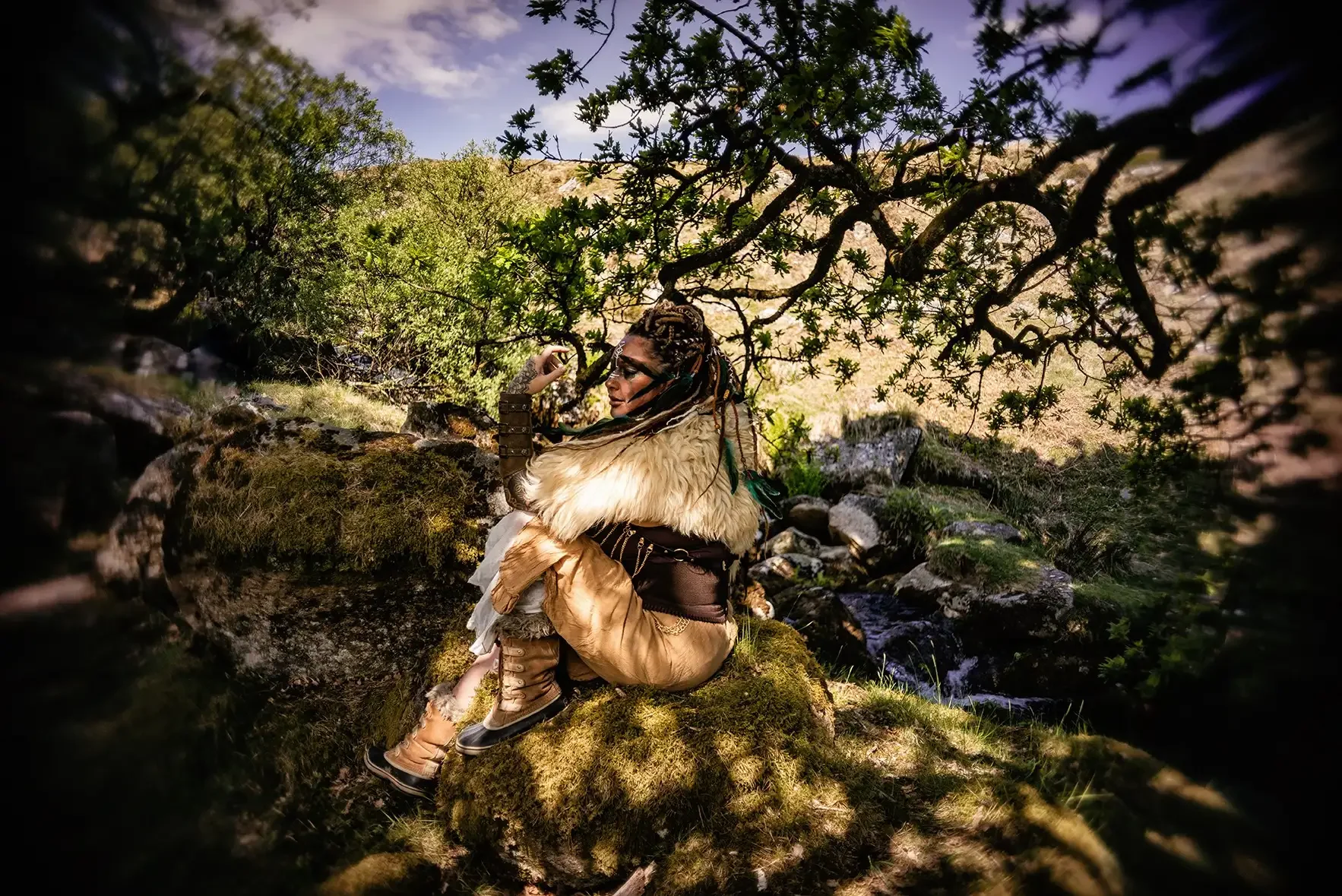
Laura on our Viking Themed photoshoot shot on a Pentax 110 24mm f2.8 lens
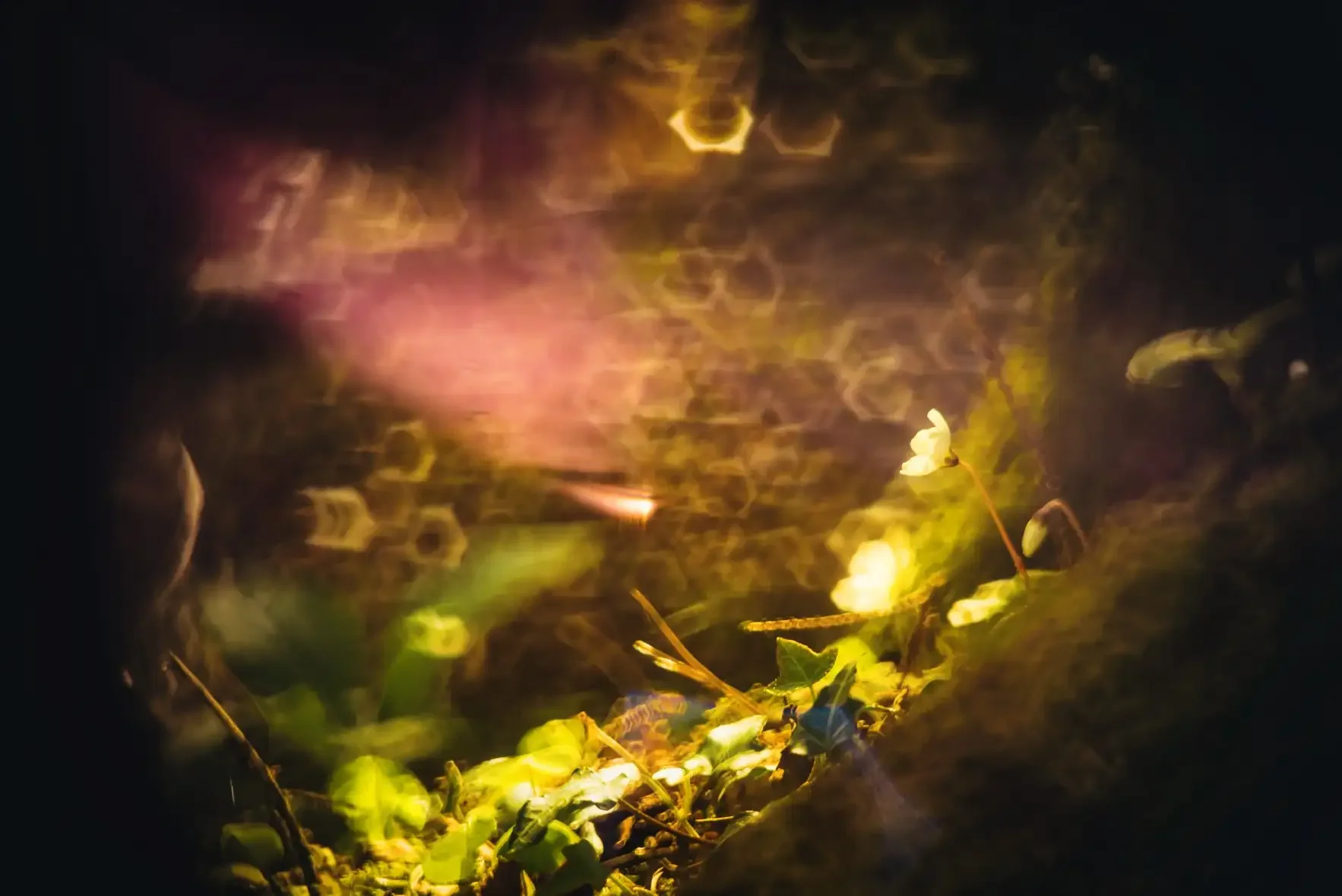
Wood anemone and mossy woodland with crazy bokeh formed using a Cosmicar 75mm TV lens
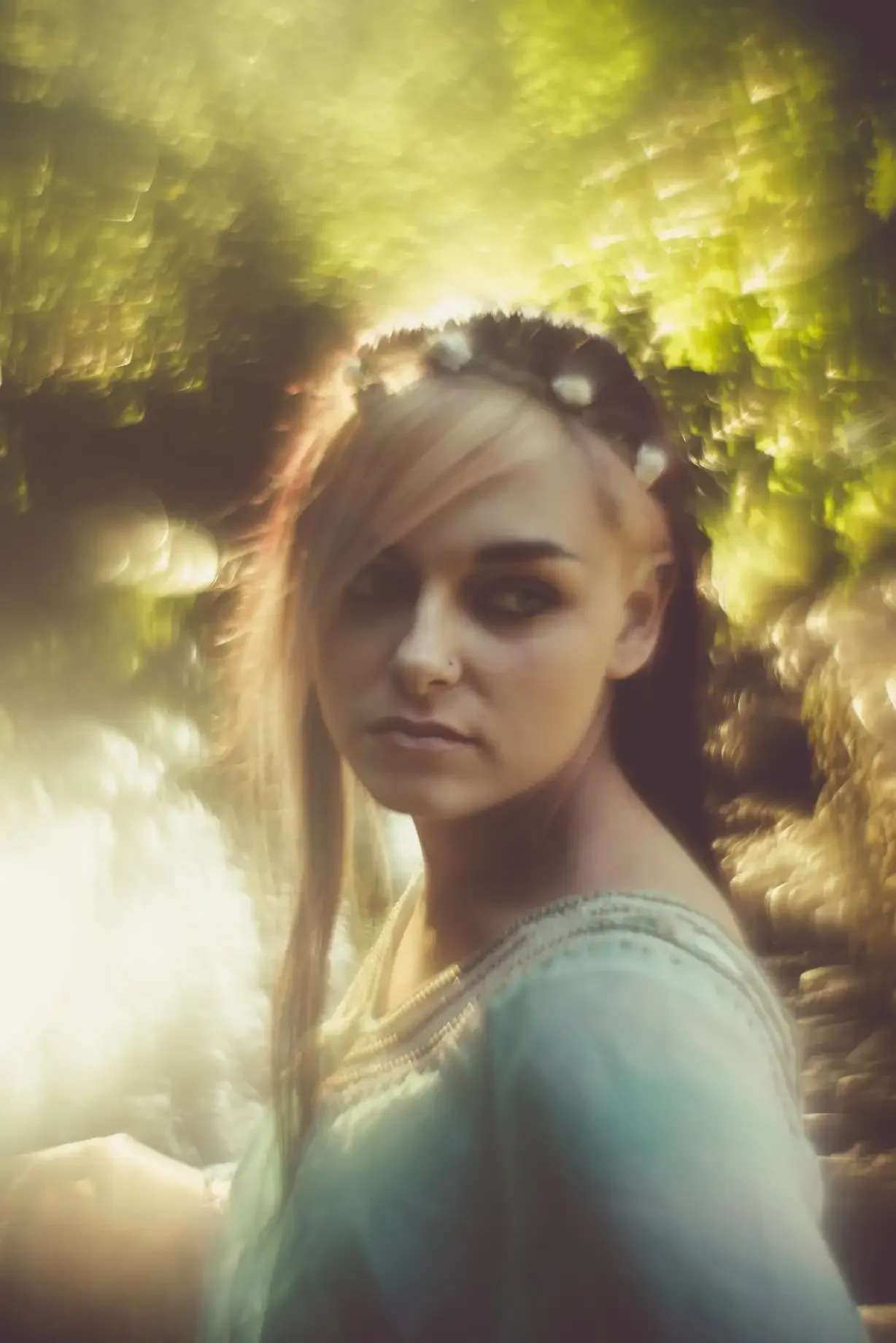
Dreamy portrait of Lemmi Swayze taken on a Helios 44-2 lens with a reversed front element
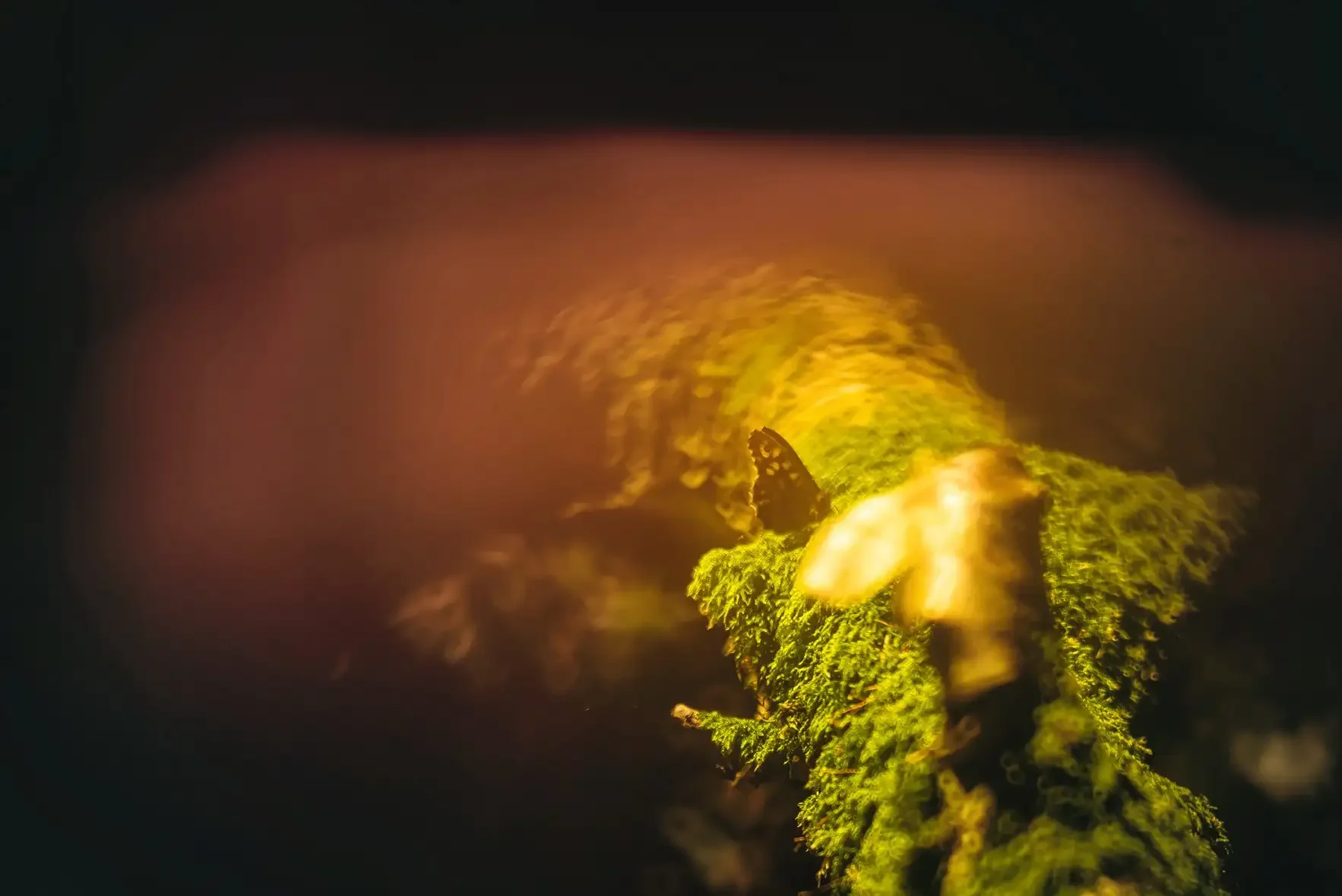
Woodland Butterfly - Free Lensing using the Cosmicar 75mm TV lens
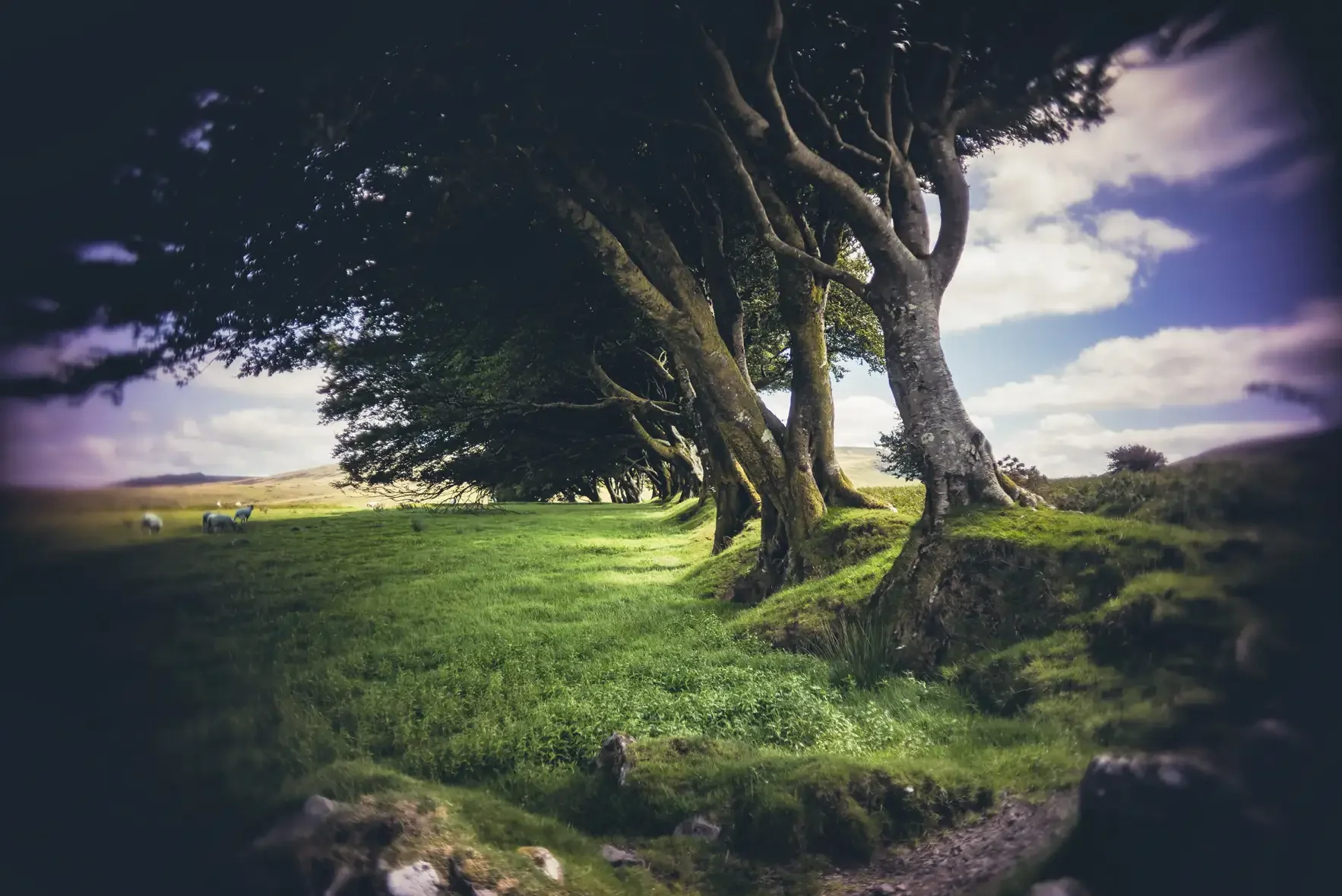
Prewley Moor Beech Boundary shot on a Pentax 110 24mm f2.8 lens
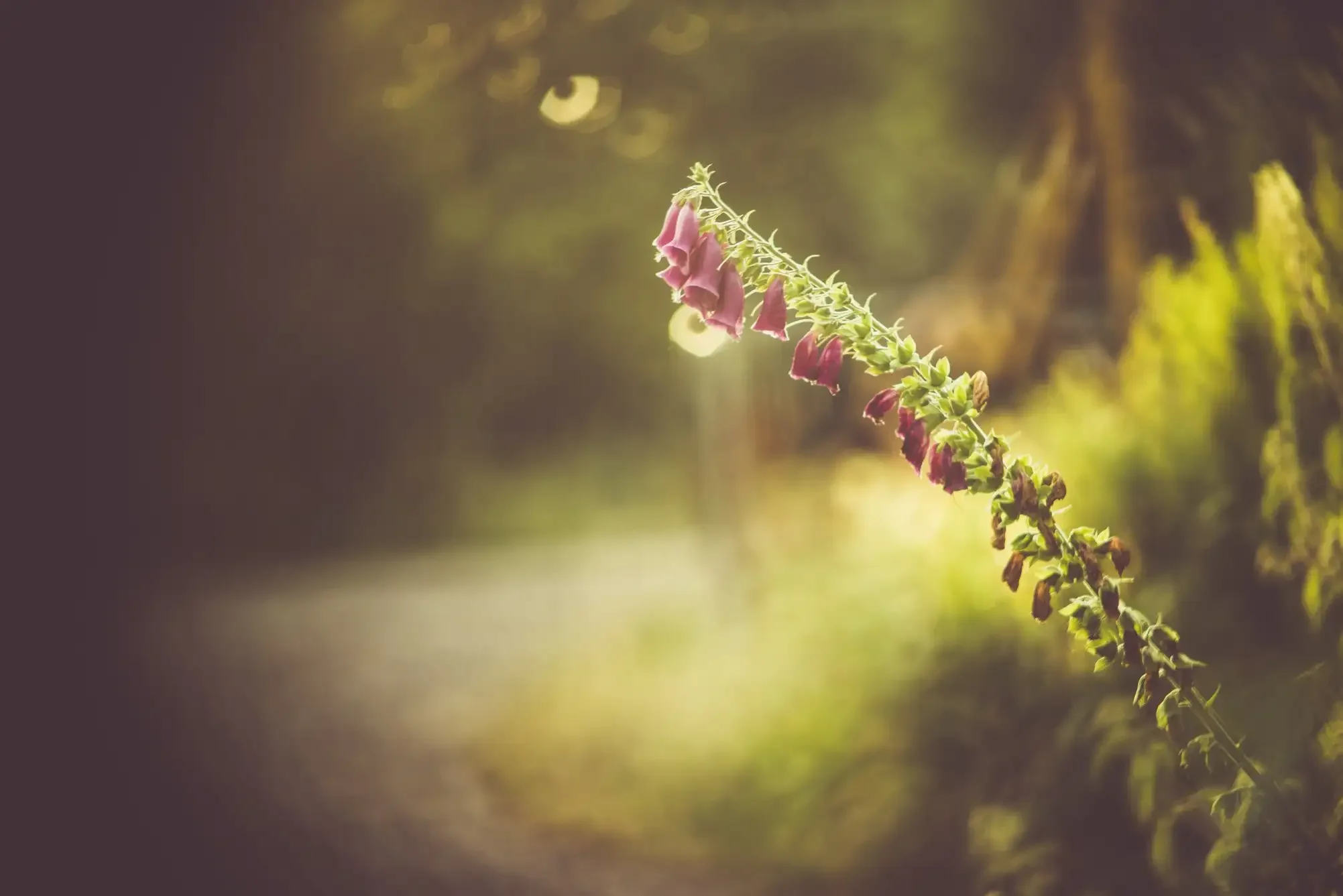
Foxgloves shot on Cosmicar 75mm TV Lens
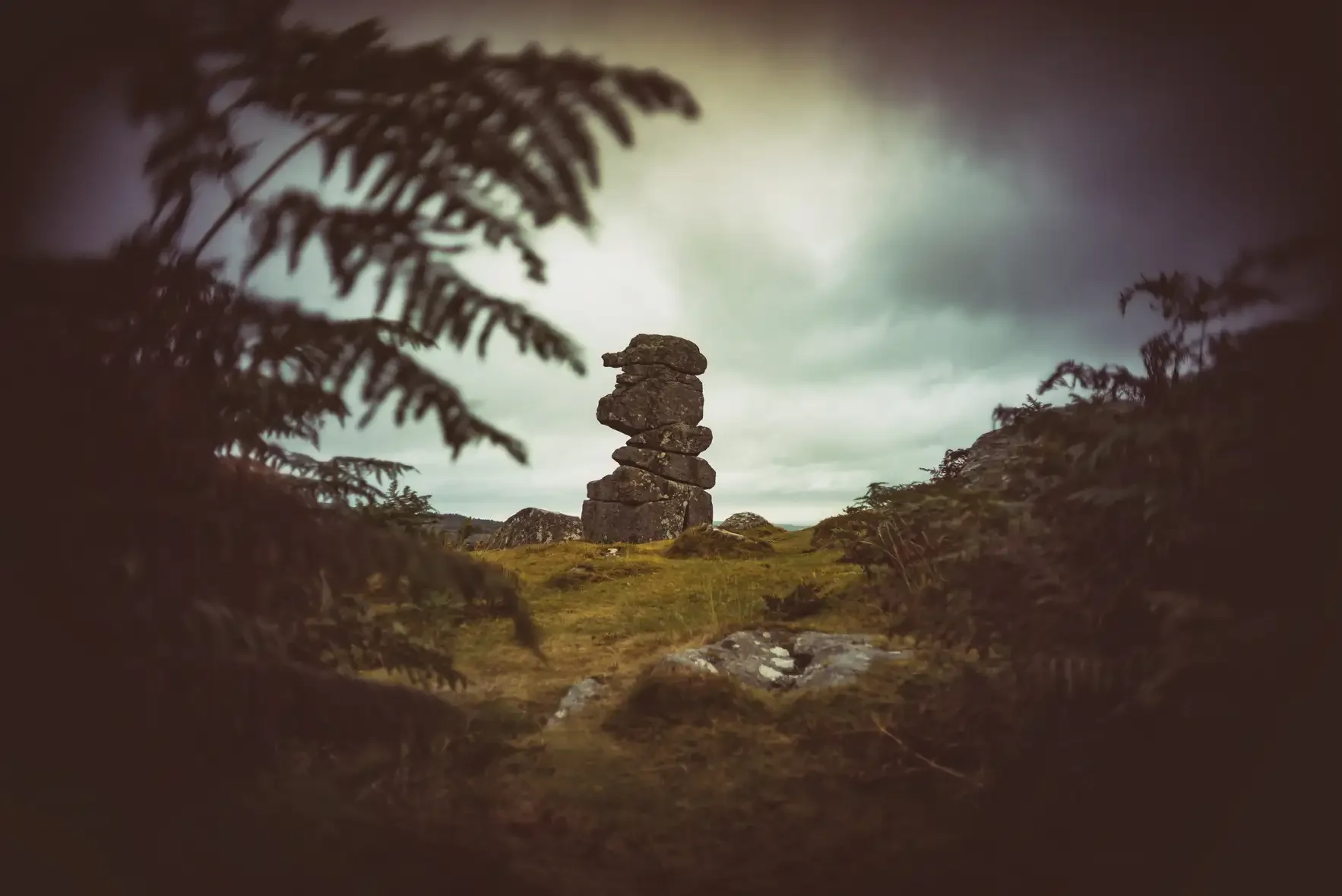
Bowerman's Nose on Dartmoor - shot with an old Pentax 110 lens adapted to my Sony a7r
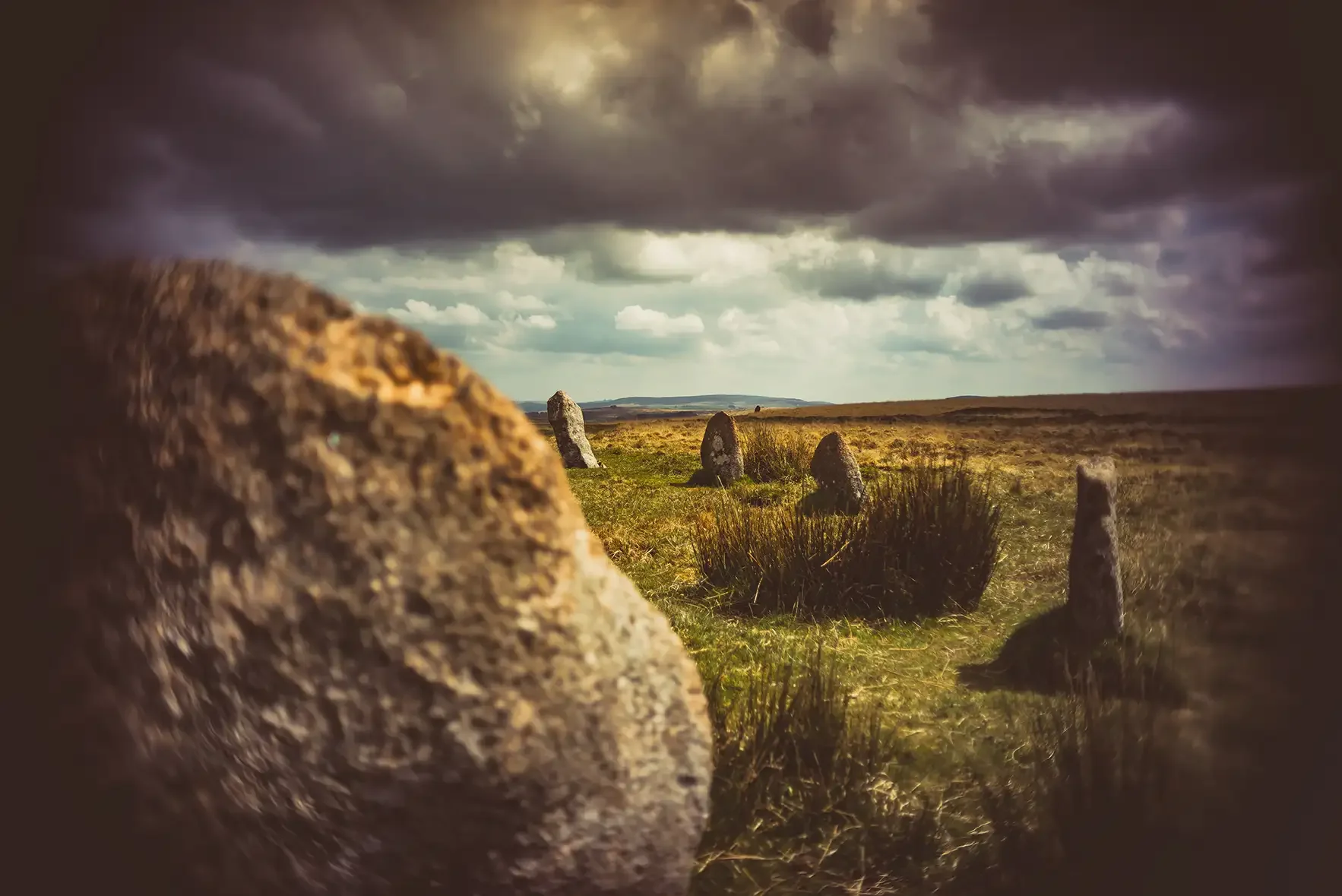
Scorhill Stone Circle - shot with an old Pentax 110 lens adapted to my Sony a7r
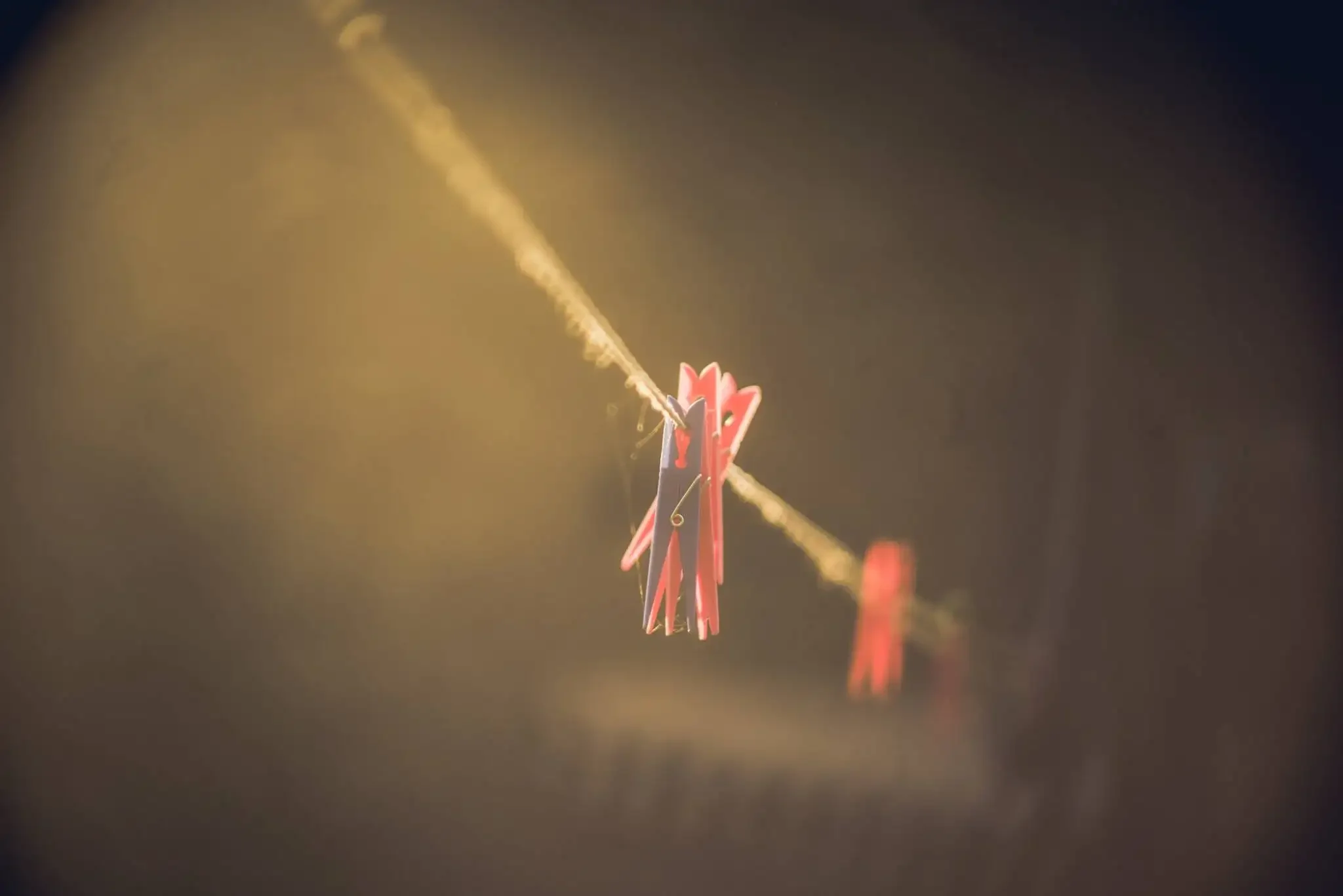
Clothes Pegs Bokeh - TV lens
Interested in Developing Your Own Photographic Style?
My Dartmoor Photography Workshops aren't about showing you how to replicate my photographs, or even those of other photographers. They're about helping you find out what “your” own photographs look like, once you stop worrying about whether you're doing it right.
You don't need expensive equipment. You don't need perfect light. You need curiosity and somewhere worth pointing a camera, in my opinion Dartmoor has that in abundance, but so might the little park down the road from you, or the busy street you walk to work. These things are all subjective and finding out about your own style is about you and not what others think or do.
Find out more about my workshops or get in touch if you'd like to talk through what might work for you.
Experimental Photography FAQ’s
-
This is actually a very broad term to cover any work involving non-standard techniques or equipment. Adapted vintage lenses, home-developed film, large format photography, and more recently underwater photography. Paul treats all his work as experimental in the sense that there's always something new to learn or a different process to try. Learn more about the process on the Curious Photography page.
-
Paul shoots with adapted vintage and repurposed lenses not designed for stills cameras. These including Soviet-era glass (such as the famous Helios 44-2), CCTV and TV lenses (including a Cosmicar 25mm and a home converted 75mm TV lens). Some are used with modified configurations, such as reversed front elements for weird bokeh effects or held in front of the sensor to create interesting free lensing effects.
-
Yes. Paul shoots and develops his own 35mm black and white film and 4x5 large format images, printing them in his own make shift darkroom. Film photography remains an active part of his practice alongside digital work with vintage lenses.
-
In Paul's experience, yes. Striking images are achievable with a £75 camera and a £22 CCTV lens. The quality of observation (the way you “see”) matters way more than the cost of the equipment. Have a look at his page on Curious Photography.
-
Curious Photography is Paul's personal philosophy of image making. A slow, observational, open ended approach that prioritises genuine interest in a subject over technical perfection or predictable results. It's a very tenuous thread that he hopes connects his landscape work, portrait sessions, and experimental practice of using old film camera lenses.