Underwater Landscapes on Dartmoor
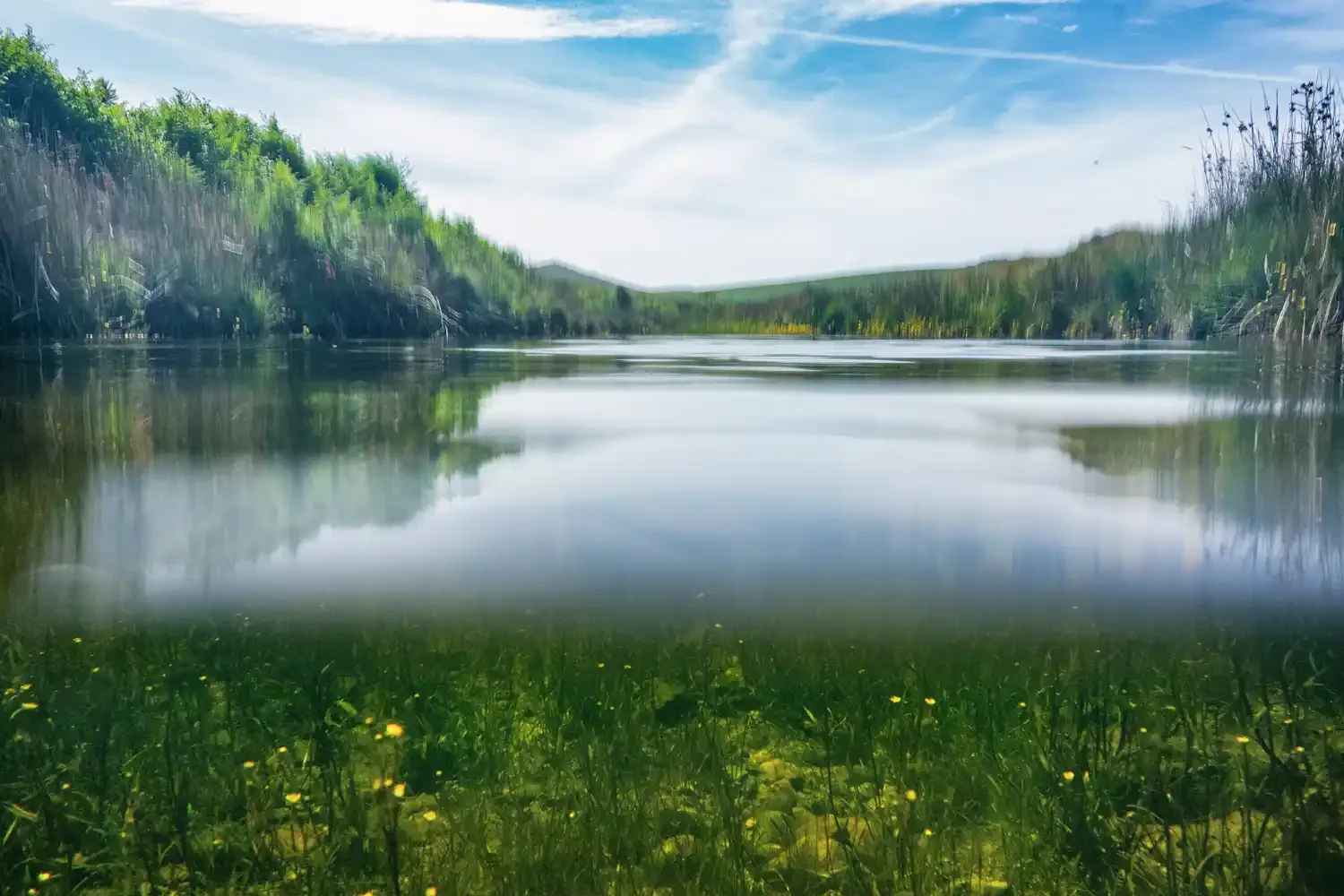
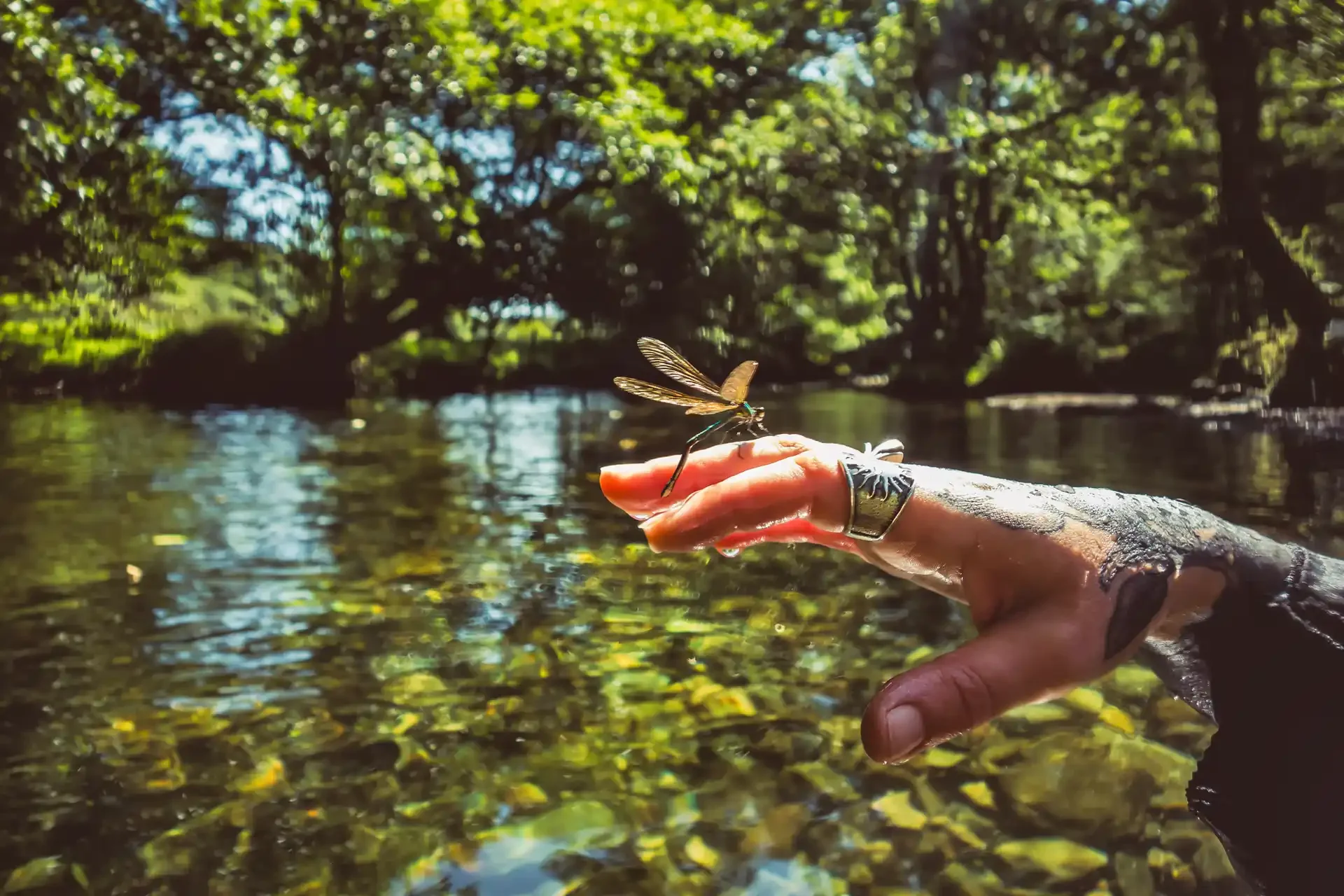
Under and Above The River Taw on Dartmoor
Am I an expert on shooting underwater? Far from it, I’m learning on the job. As with very much of my work, I’m really making it up as I go along. Hopefully this little article will help motivate you to give some underwater photography a go, wherever you live 💚📷
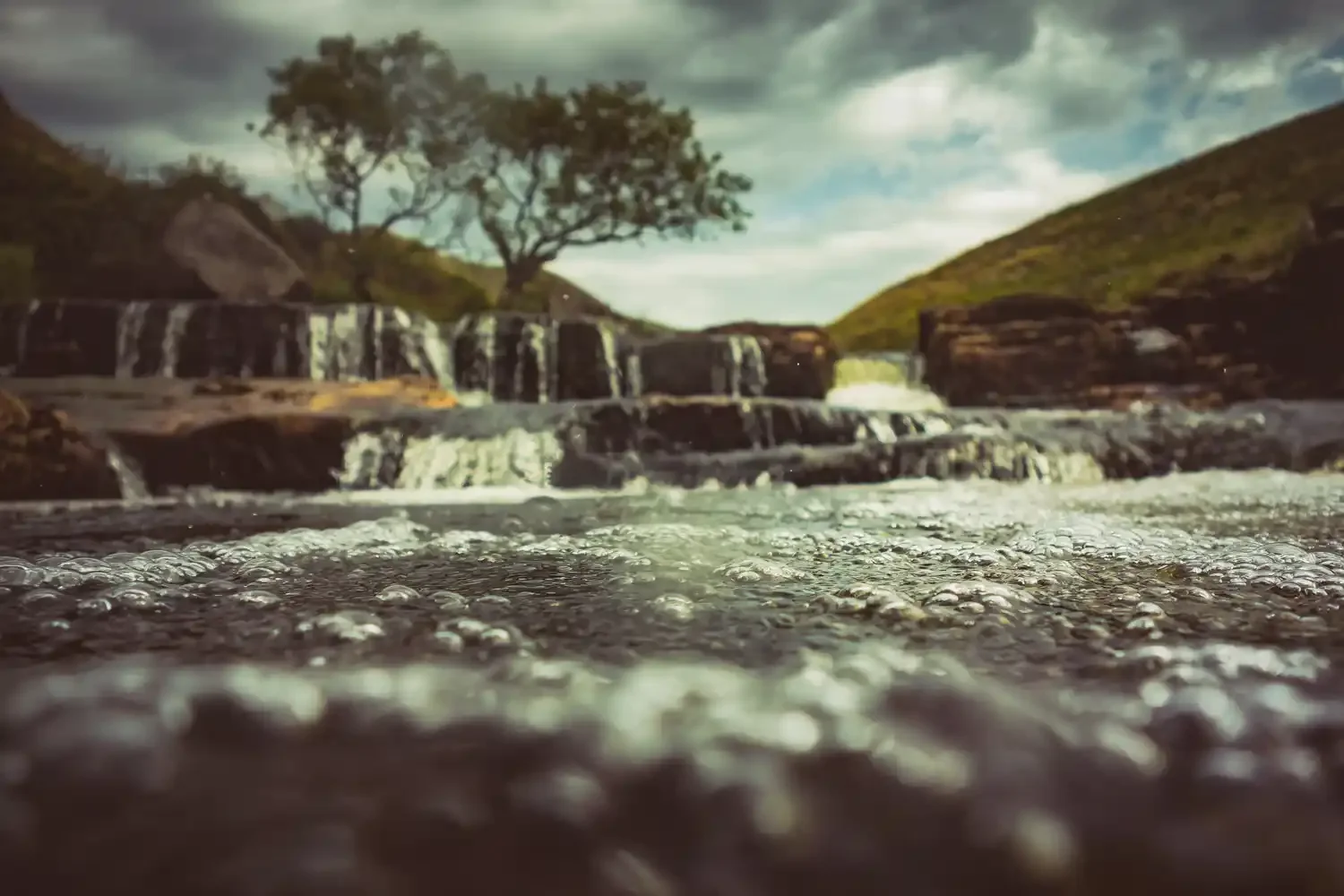
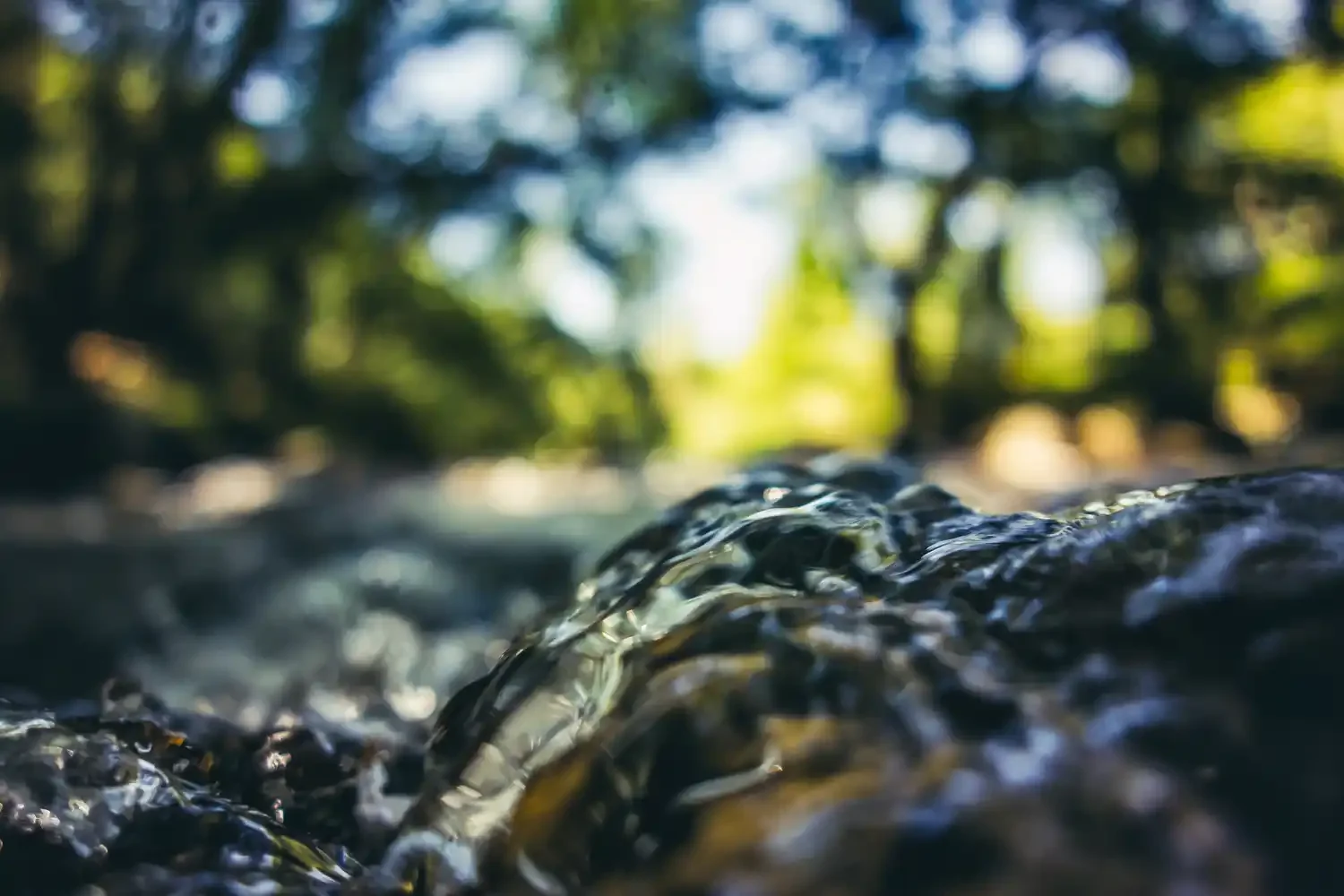
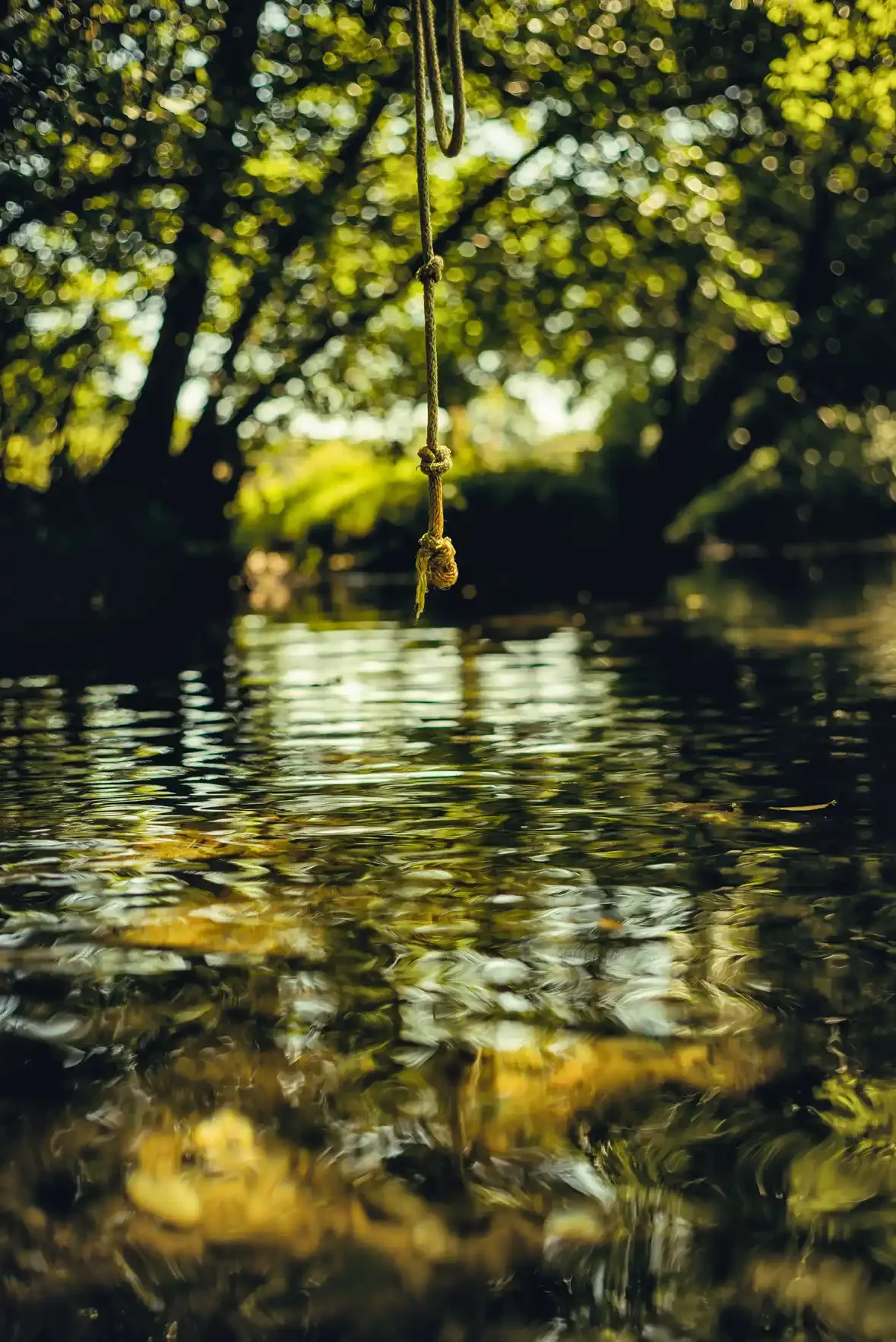
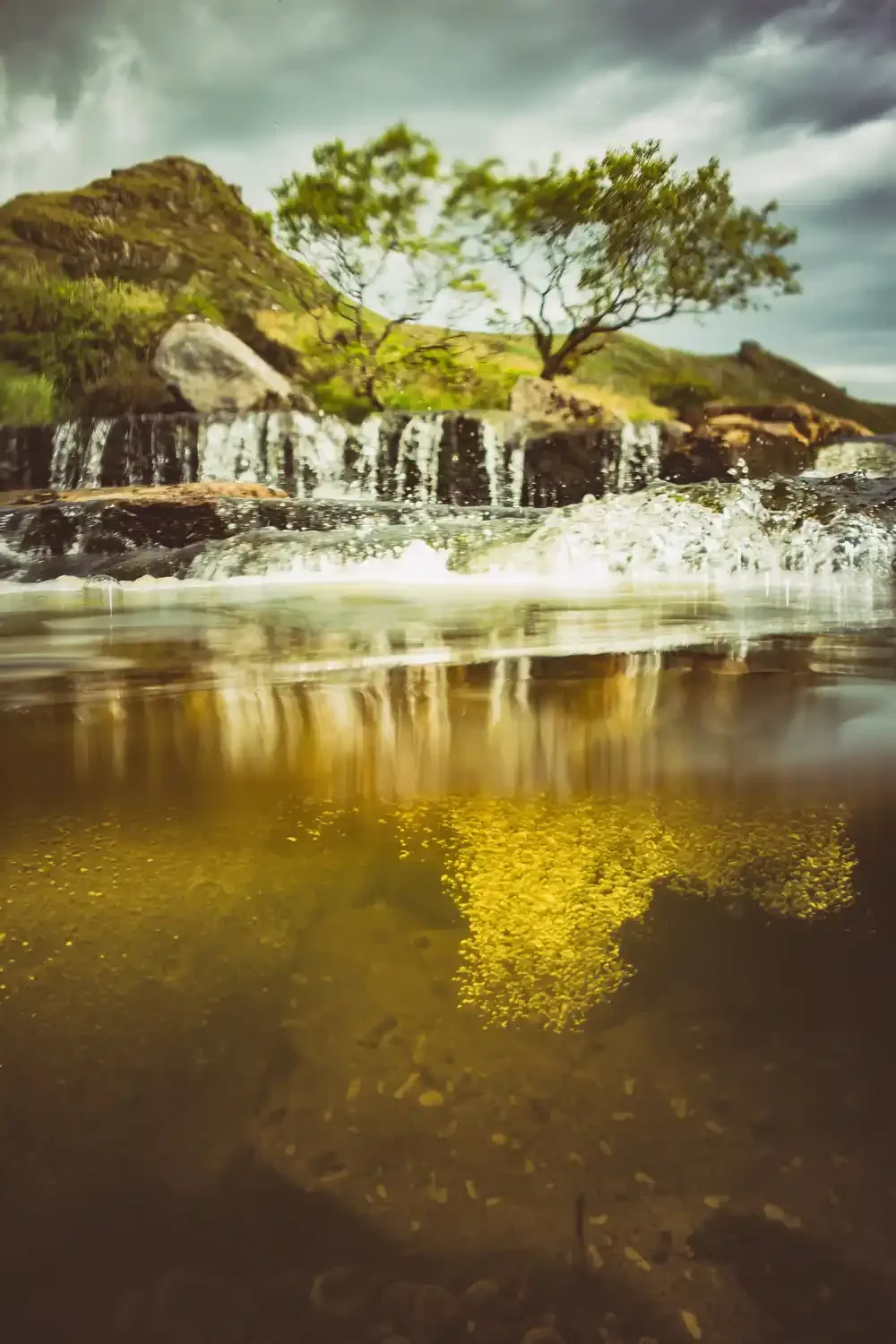
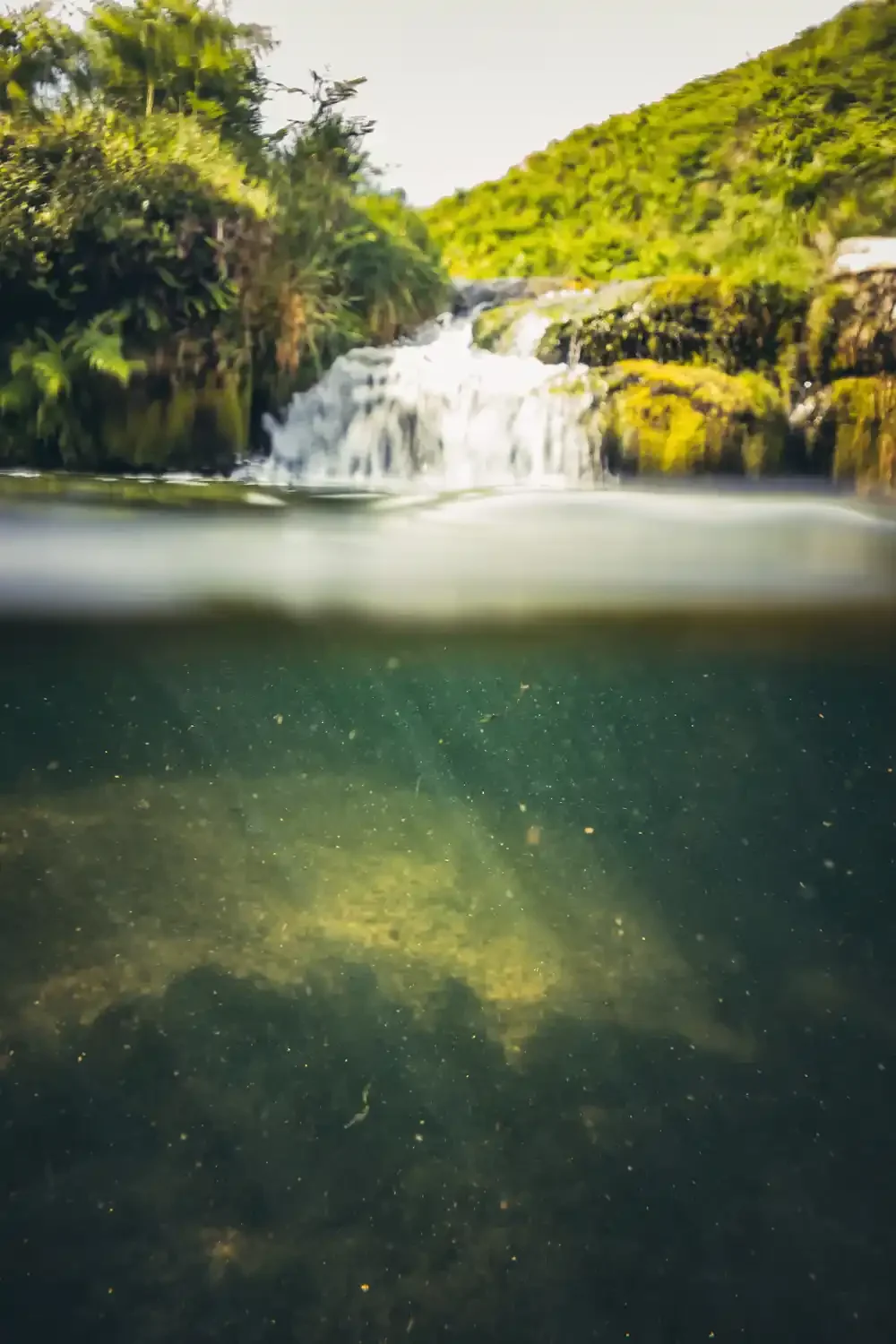
I’ve always enjoyed tinkering with shooting both video and stills underwater, I’ve had a waterproof phone now for sometime, and I’ve collected a few cheap generic action cams that come complete with a waterproof housing as standard and both of these can give pretty interesting results.
It wasn’t until I joined forces with the amazing Waterpiskie that I even considered making more of an effort with my underwater photography. You can read my article Underwater Portrait Photography on Dartmoor to learn more about this.
Why Would You Shoot in Dartmoor Rivers and Pools?
Whenever I’ve thought of underwater photography in the past, it’s most often associated with surfing, scuba divers and exotic locations. The main difference on Dartmoor is it can be way quieter, more accessible (though it comes with it’s own problems) and it can help massively with your general mental health. Anybody who has ever “Wild Swam” knows the benefits of plunging into cold water 😍
In shallower freshwater, you don’t need to worry about depth gauges or sharks! Wade in, plonk your head under for a few seconds and see what the world looks like from beneath the surface.
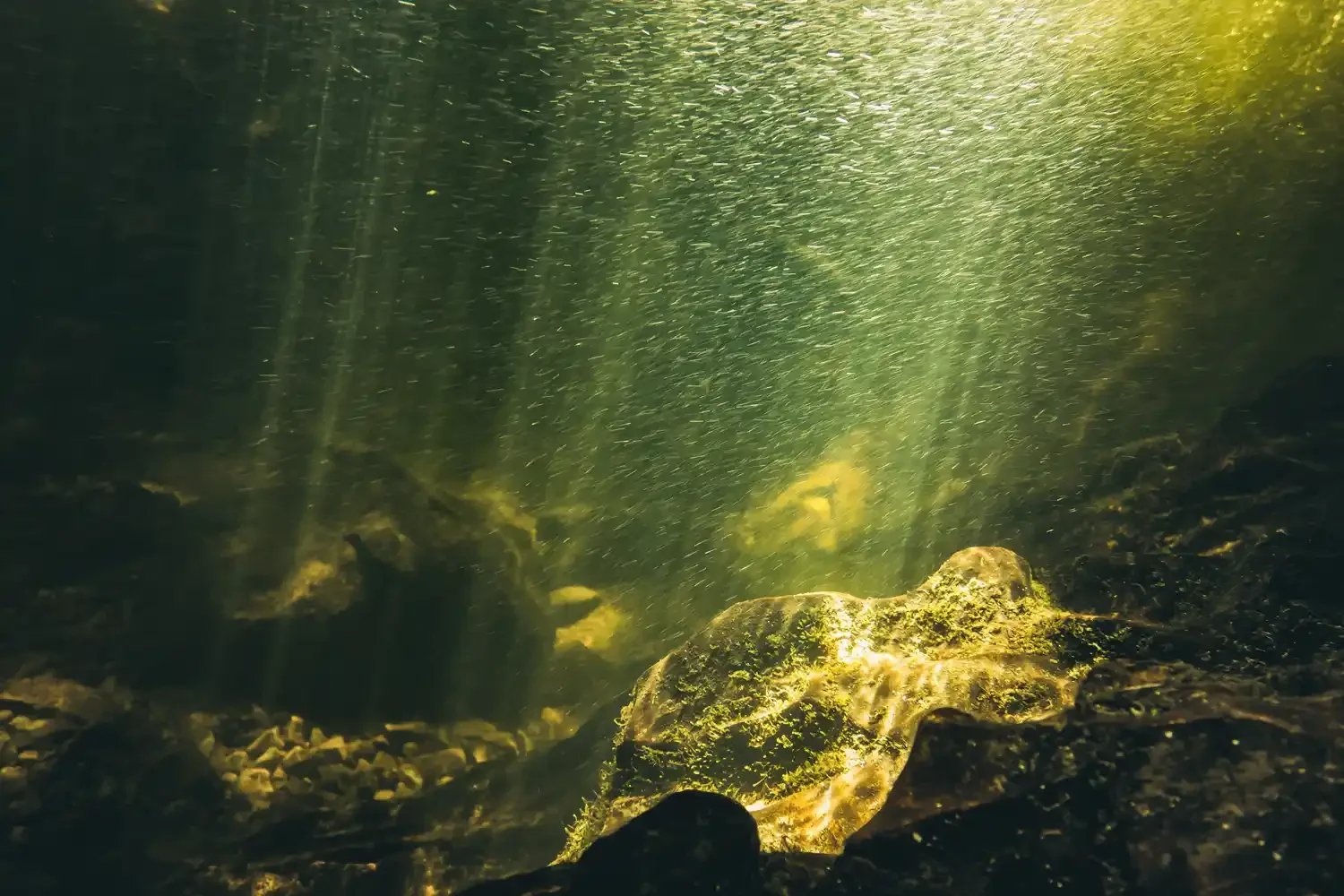
Like much of my photography, I’ve discovered this is less about technical perfection and more about curiosity. More about having fun and hoping you capture something interesting.
Technically perfect images are no longer an option, you’re exploring how light creates patterns, how swirling currents can distort shapes and how familiar places can feel almost alien.
The Liberation of Accepting Imperfections
Most photographers will arrive at water with a mental checklist.
Those beautiful silky smooth long exposures, pin sharp rocks and trees, and neat hills and tors as leading lines. Underwater, all of these expectations go completely out of the window. This is actually rather freeing, go with it.
Water moves, refracts, reflects and blurs in ways you can never fully predict.
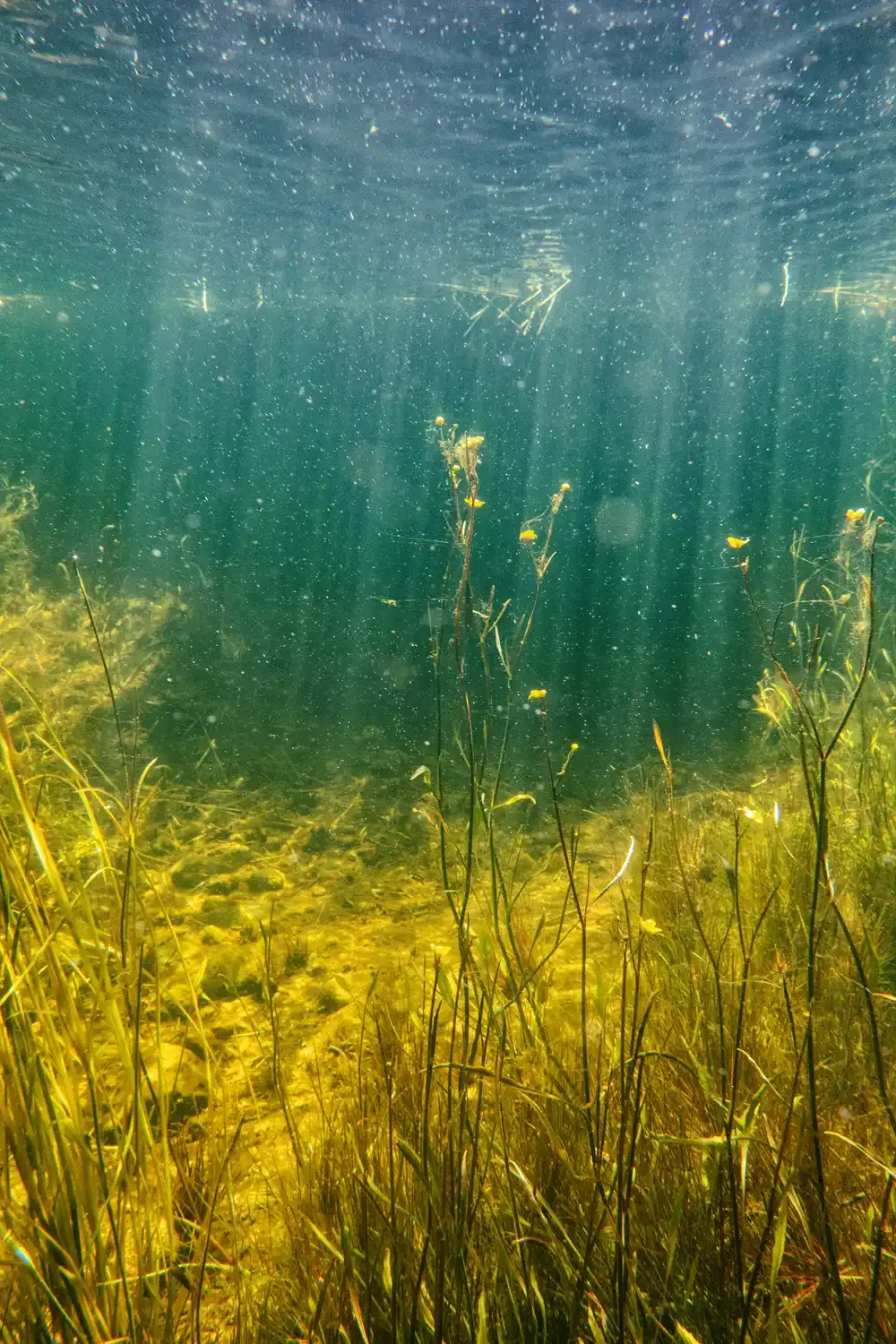
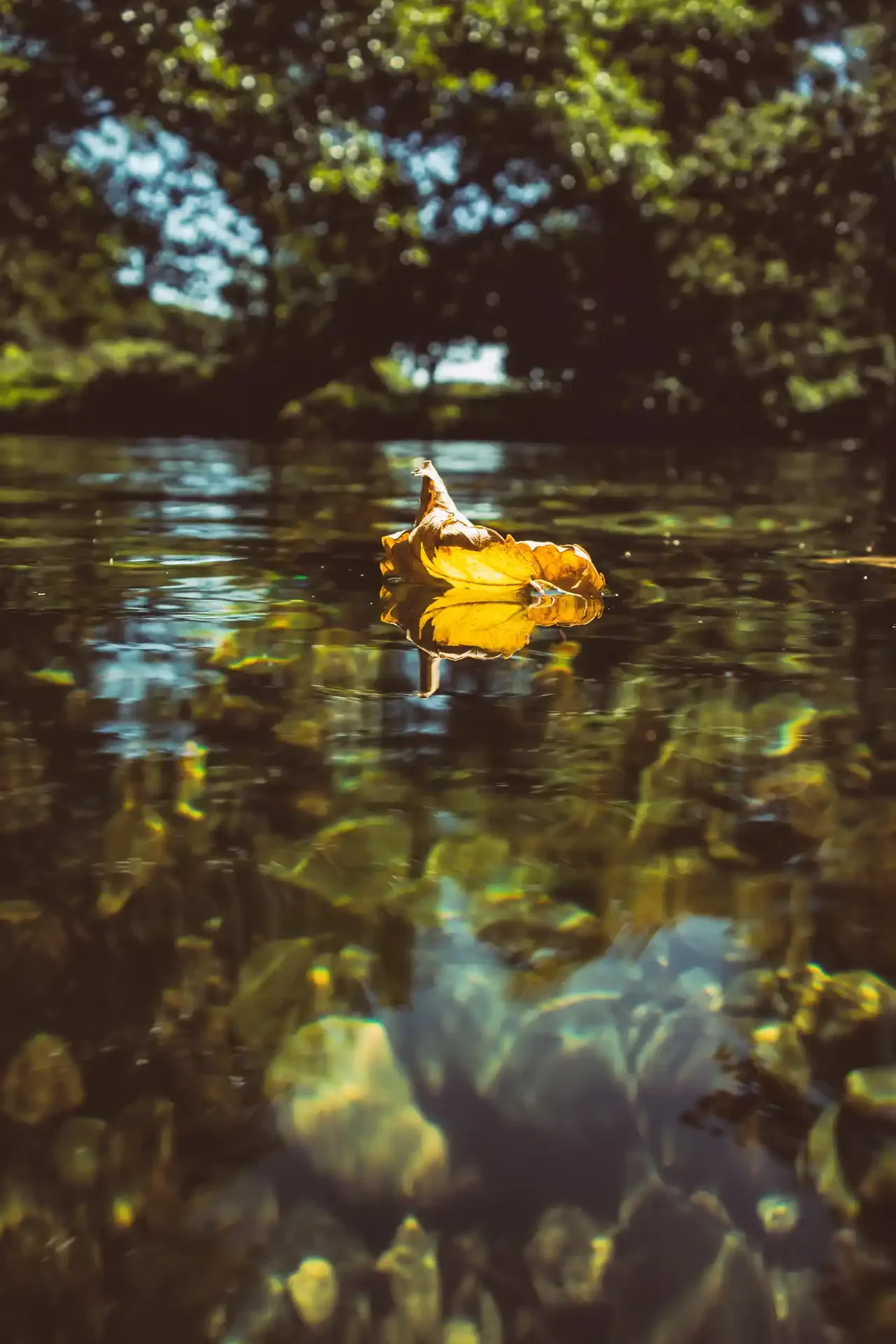
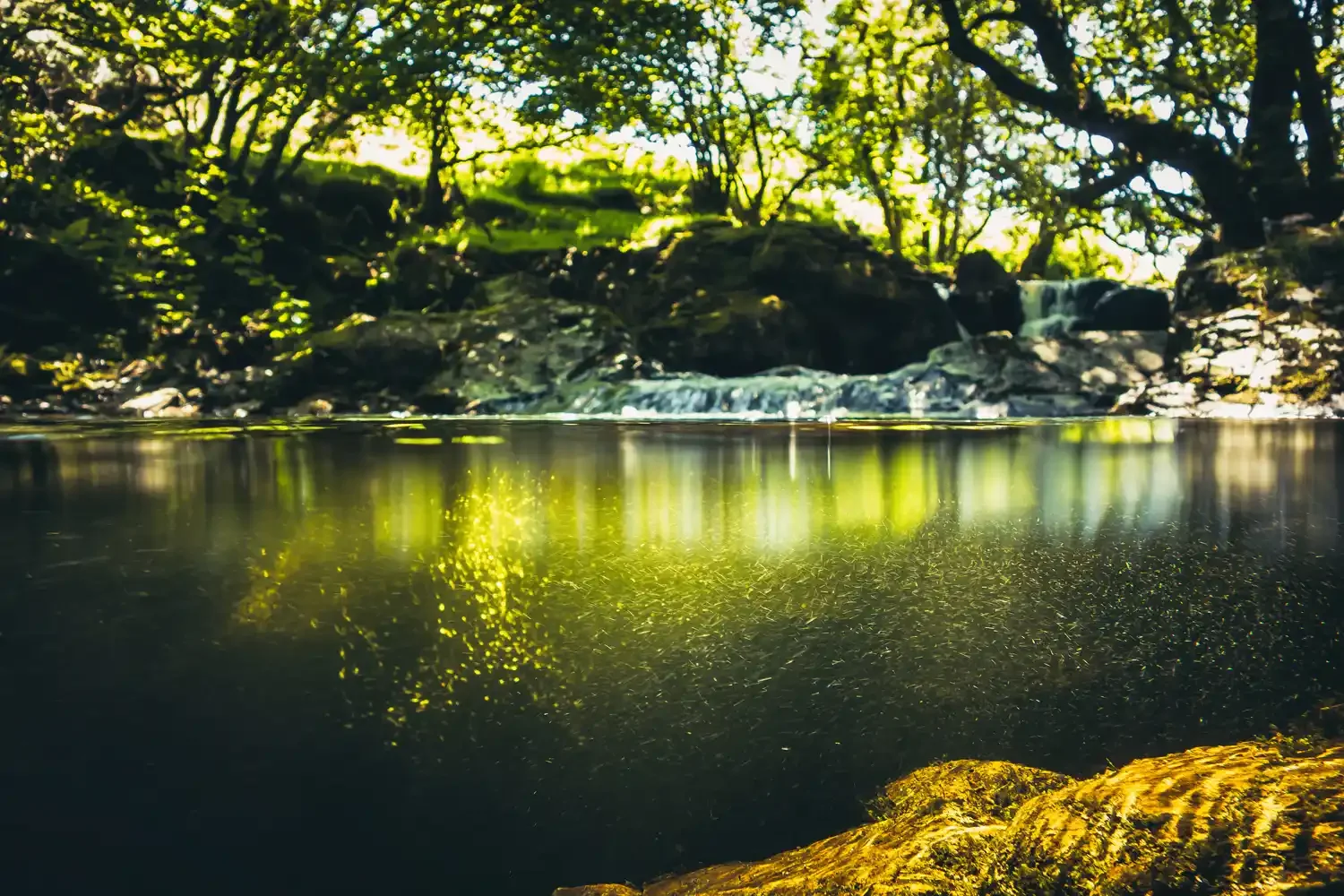
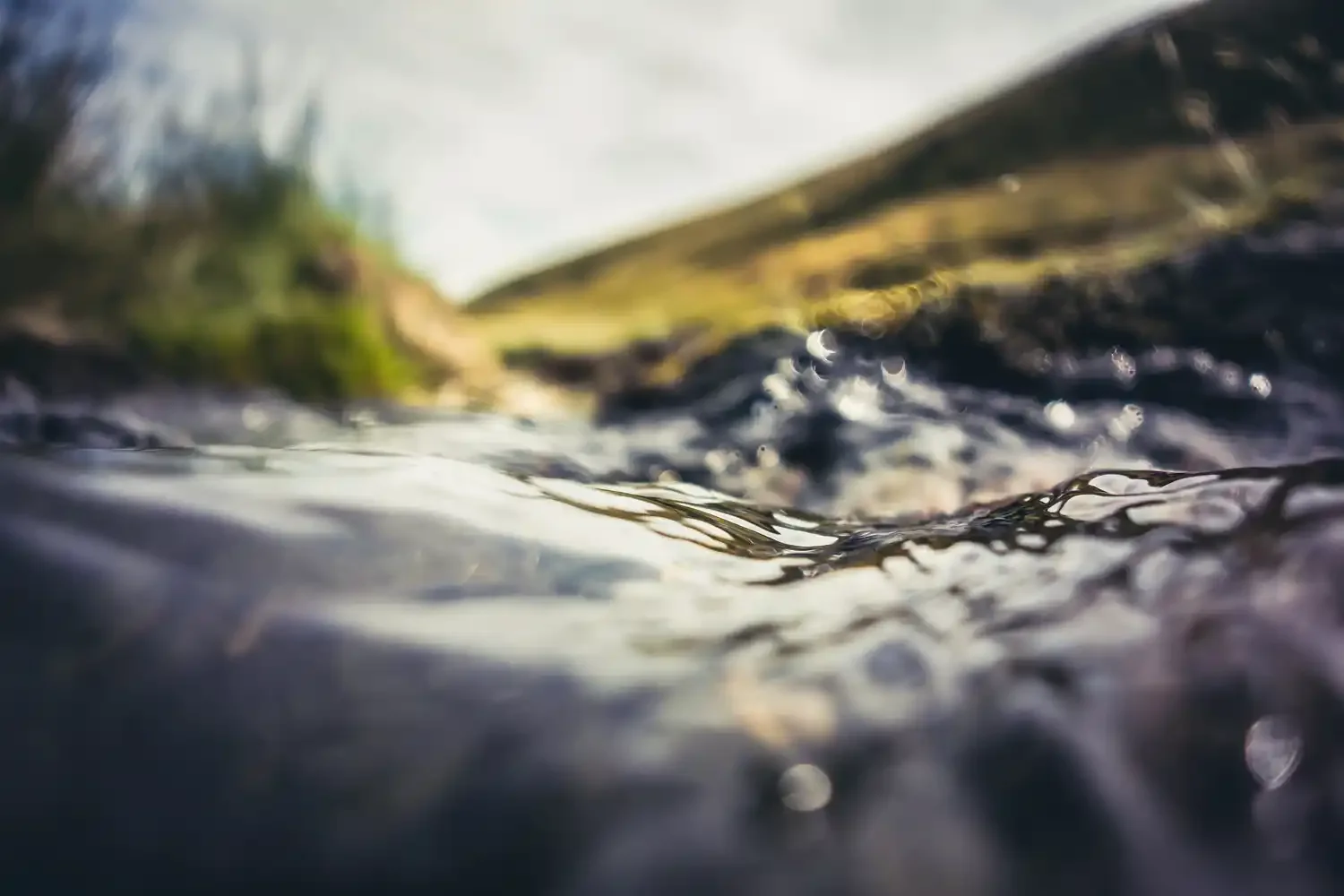
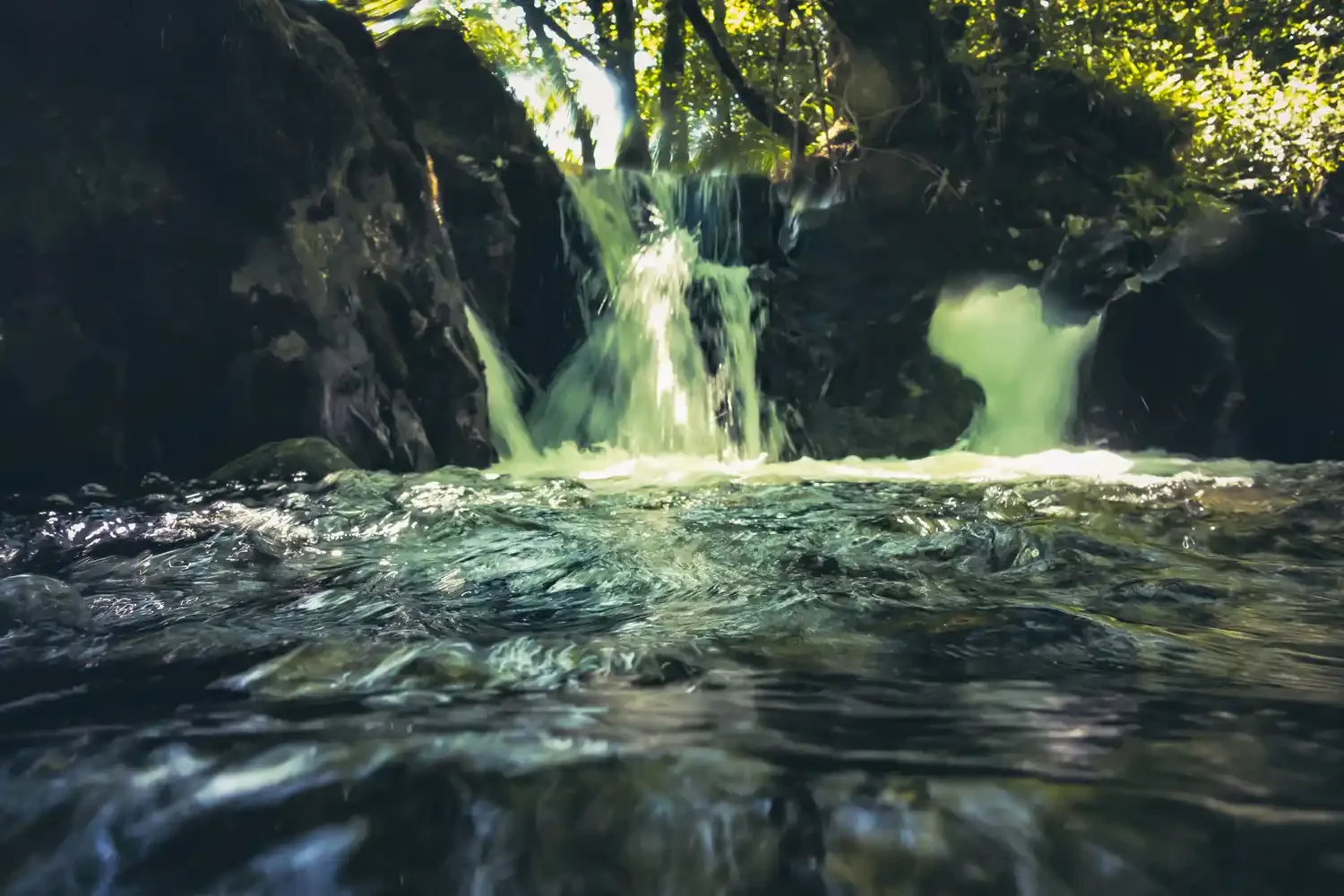
Your own breathing, buoyancy and slight movements all add wobble to the frame, never mind the moving water.
You learn that instead of fighting to control everything, letting go and treating the process as play gives you the best results. Maybe not perfect, but a true manifestation of the natural chaos.
You try something, check the results, adjust, try again.
Seeing from a Totally New Angle
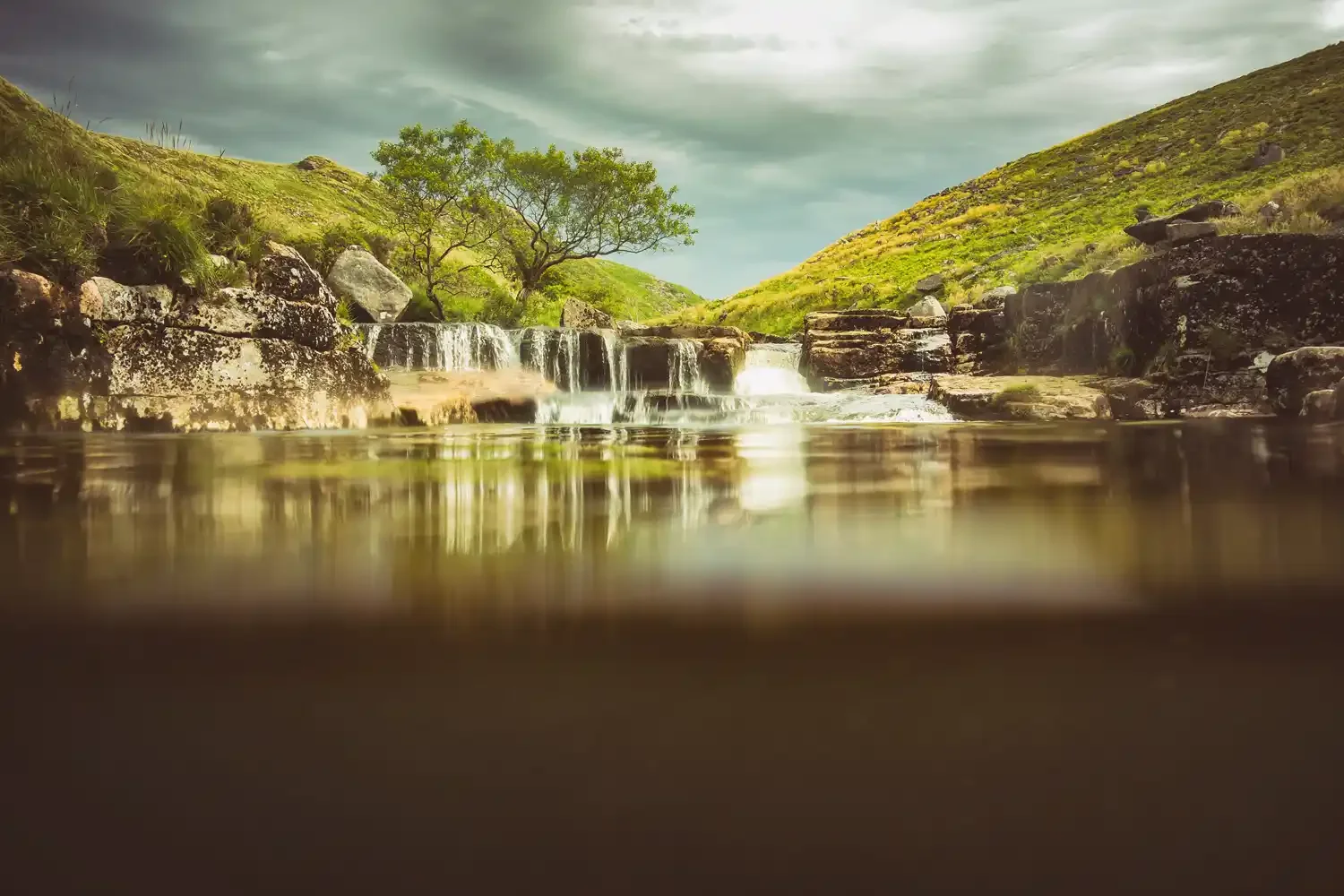
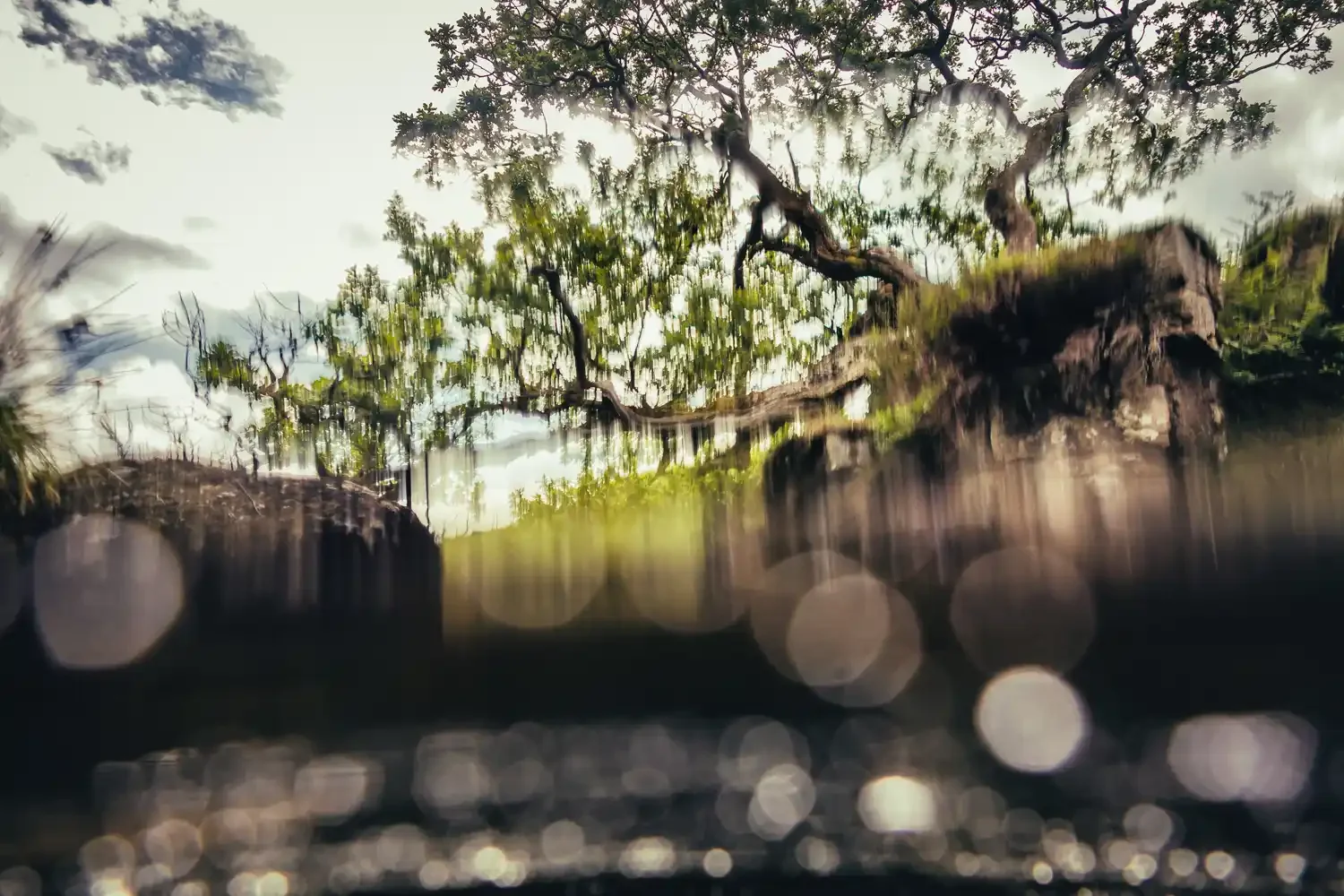
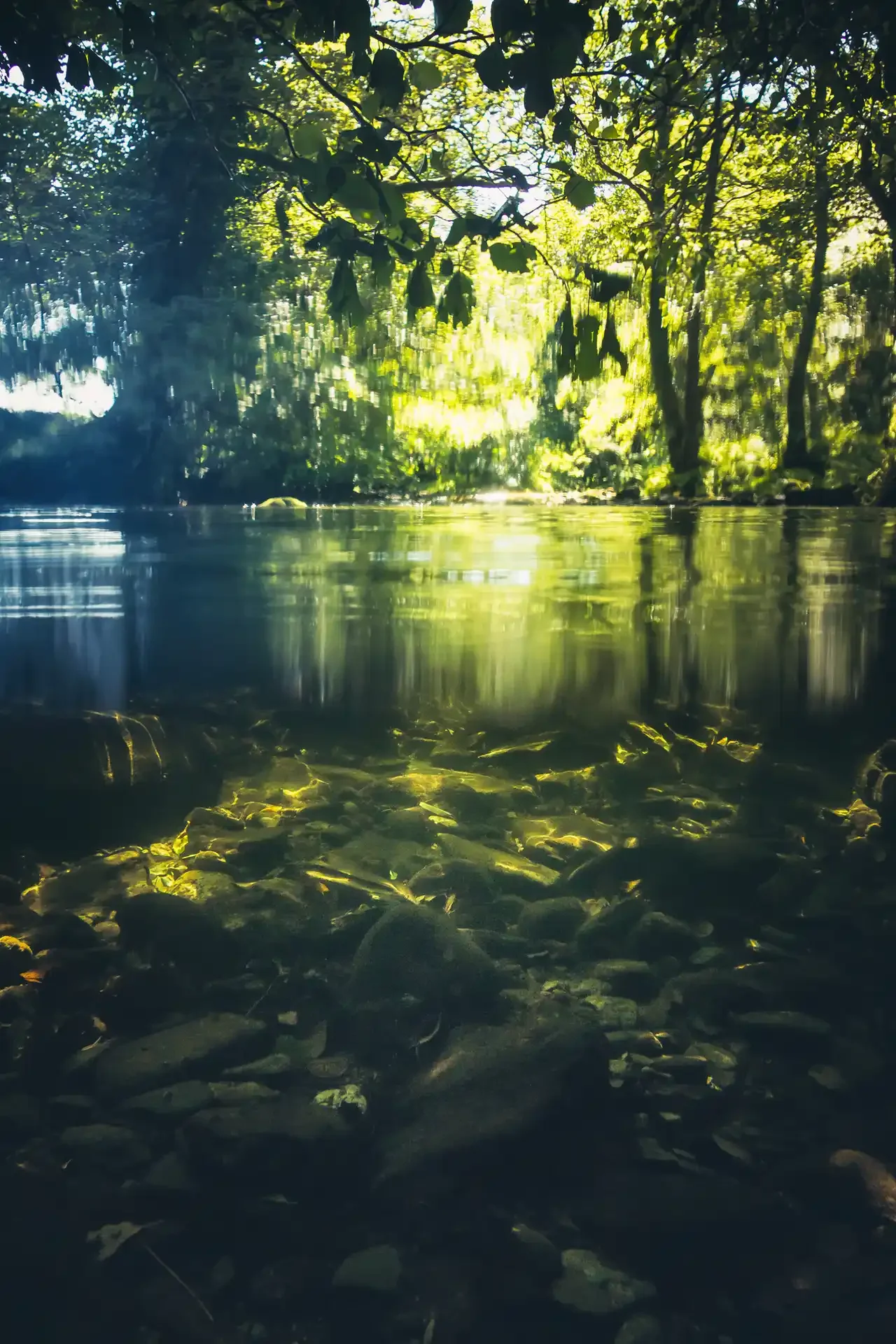
One of the most surprising things about shooting underwater is how quickly it makes familiar places feel strange. Here’s a photograph of a favourite tree on Dartmoor, from underwater.
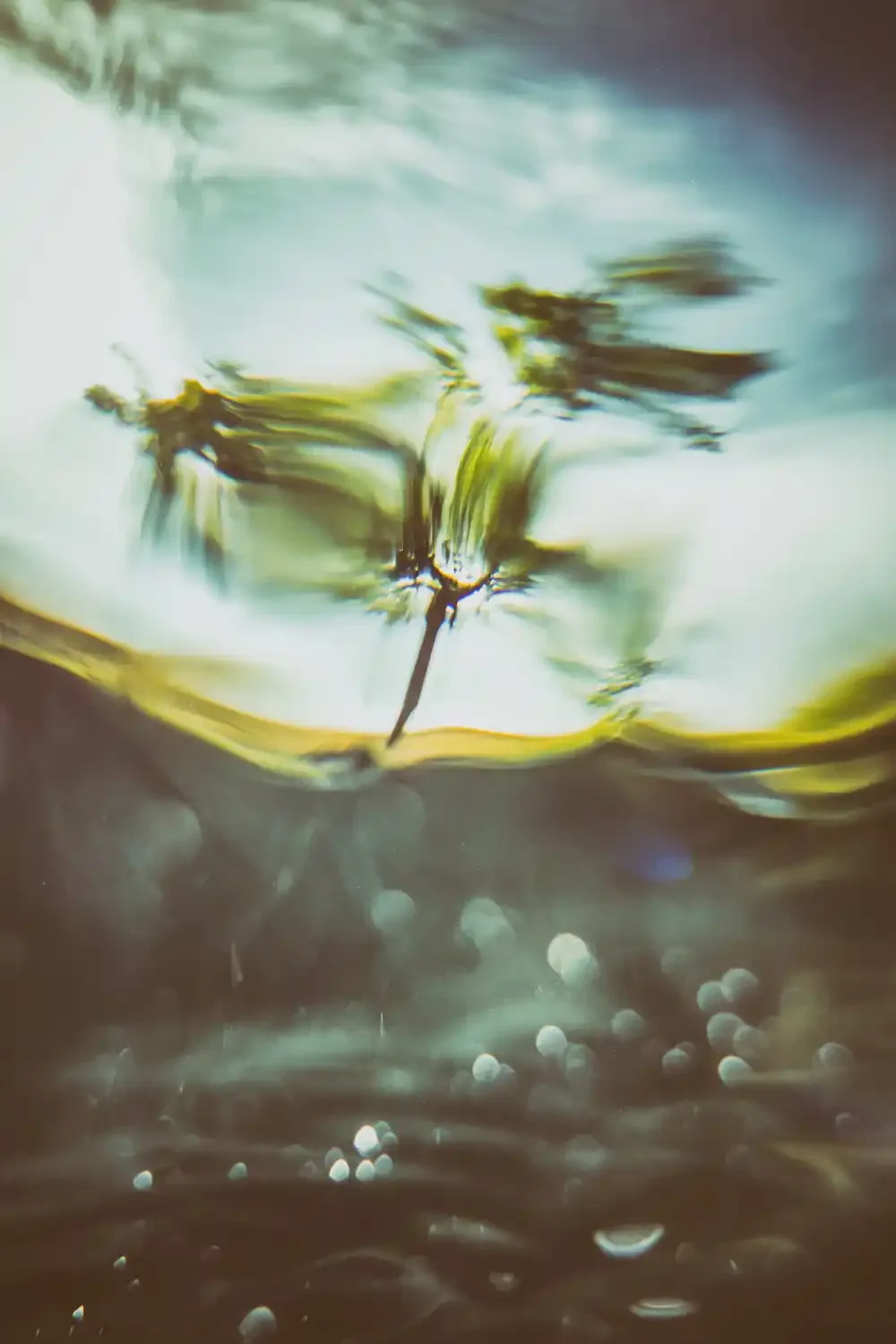
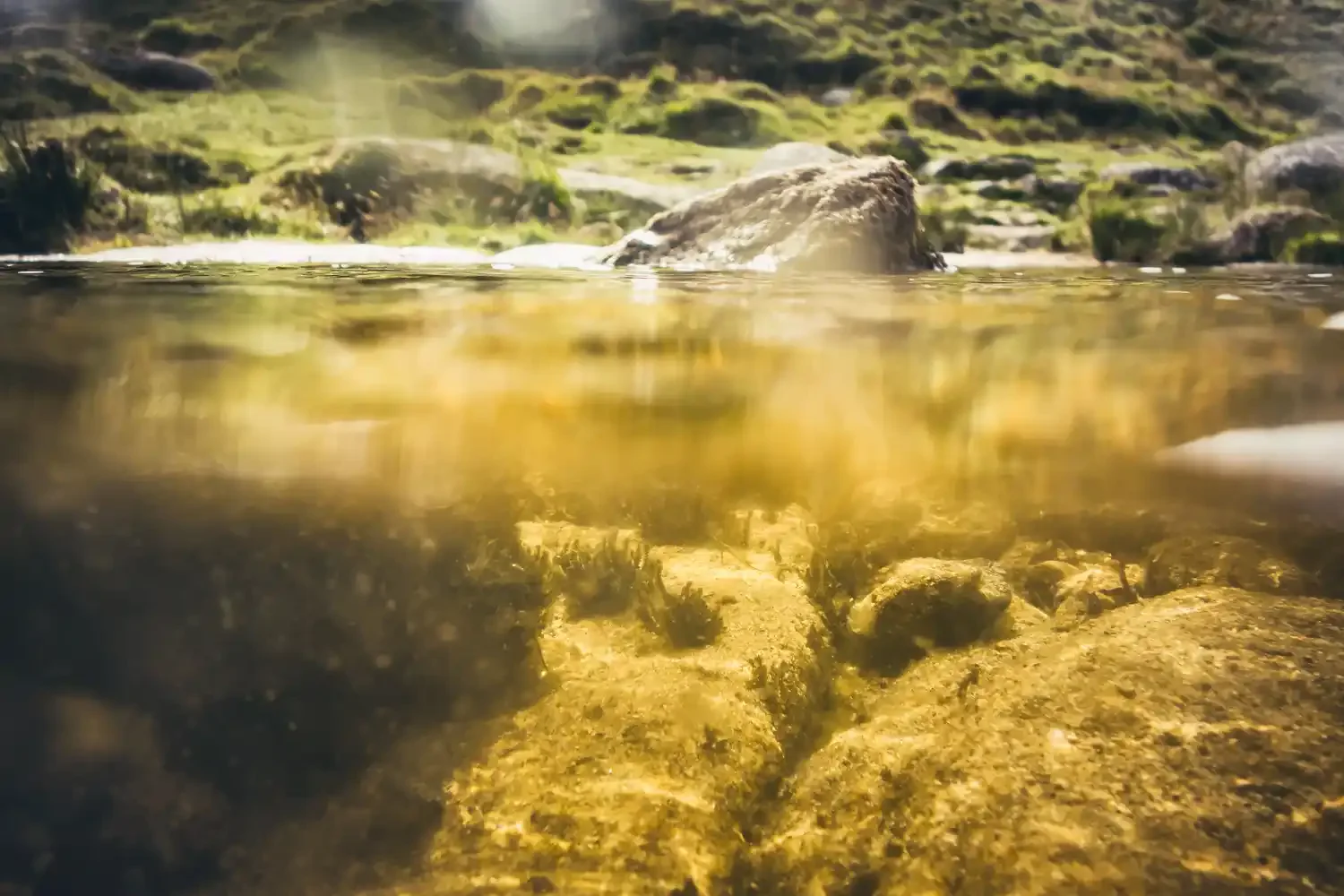
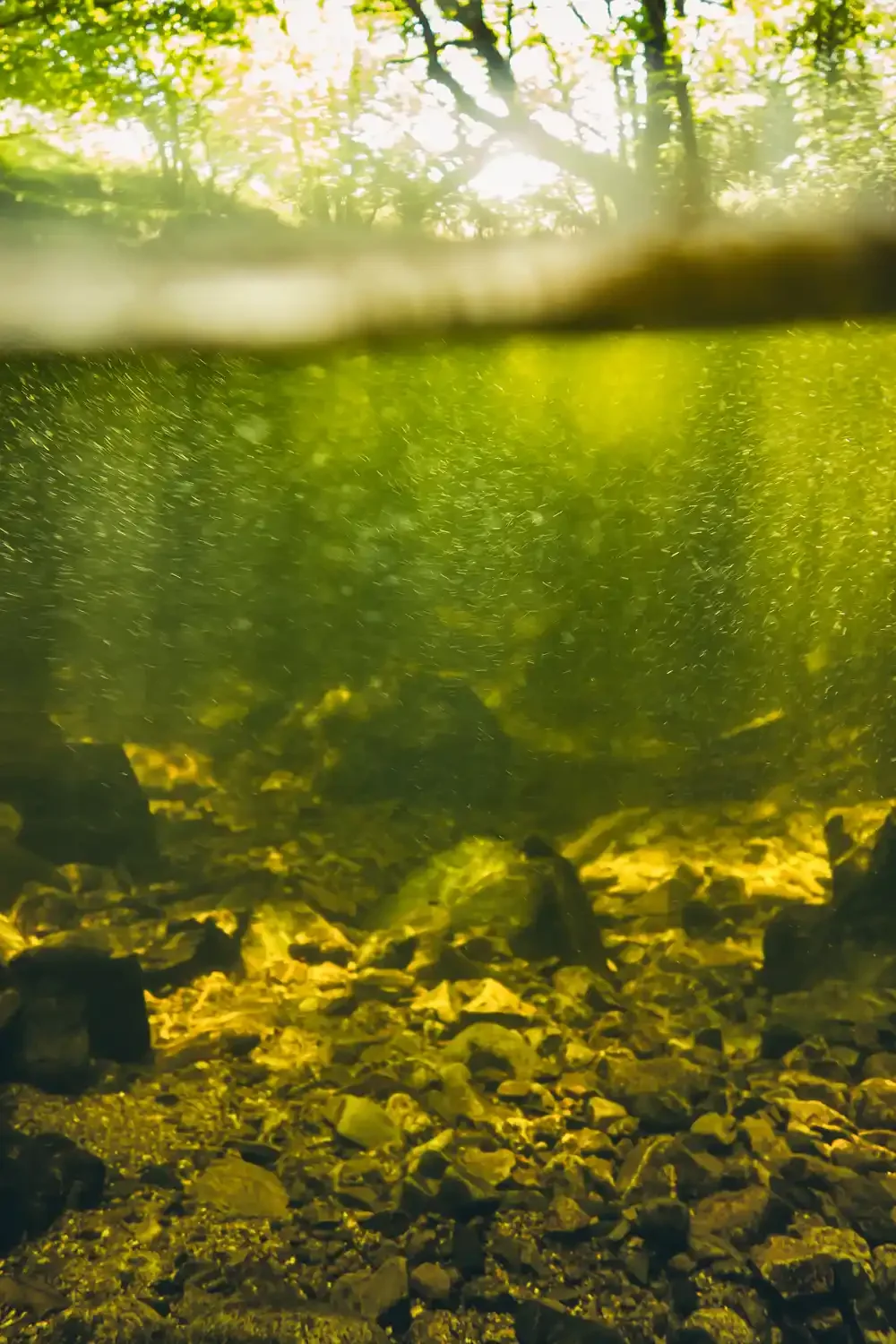
A calm pool that looks dark from above can be full of bright stones, sand ripples and tiny bubbles when you’re down at their level.
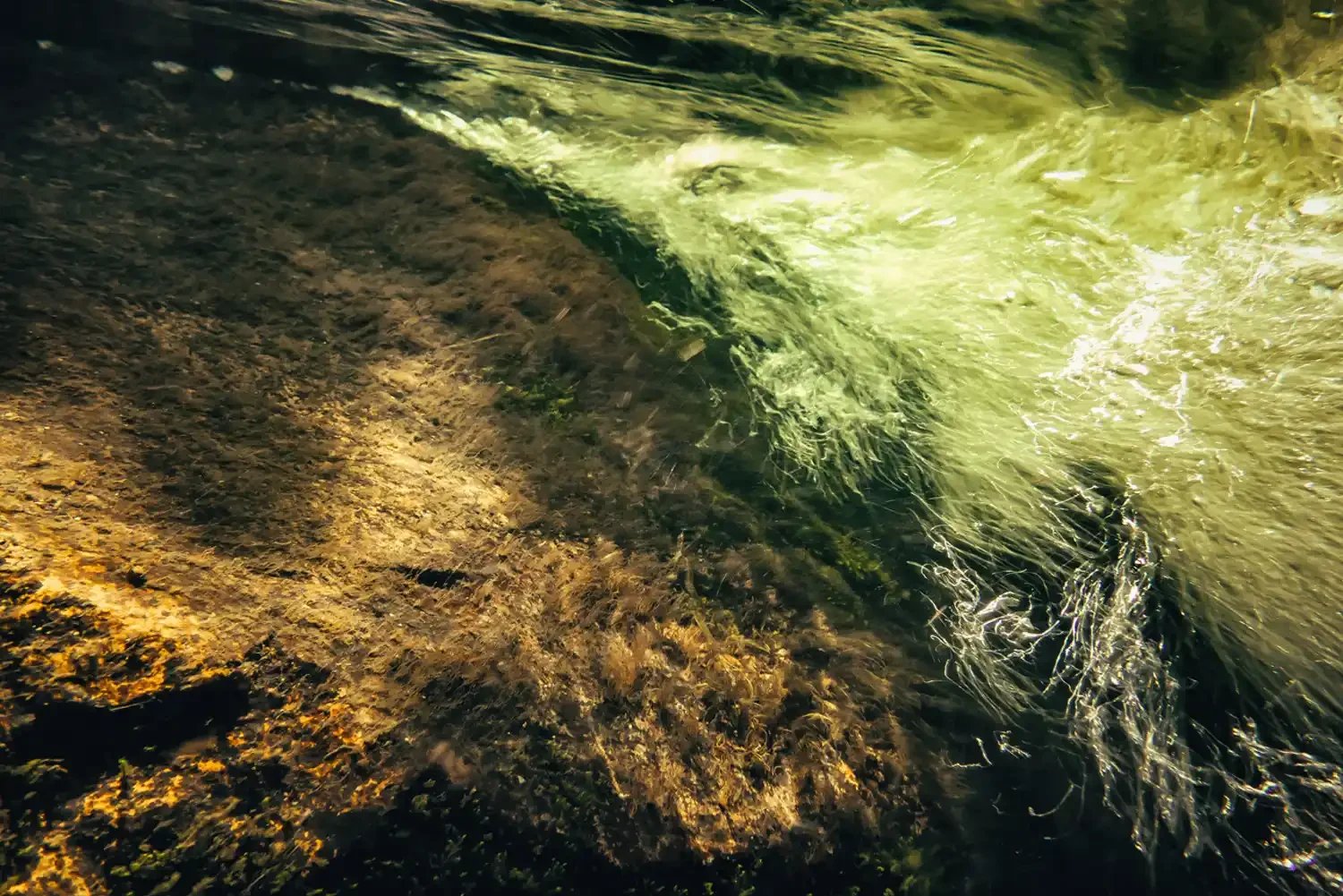
A small cascade becomes a roaring wall of white and silver threads once you’re looking up through it. Merely shooting with longer exposures underwater completely changes what you capture.
Rocks, leaves and bits of wood take on graphic shapes when the background is blurred by moving water.
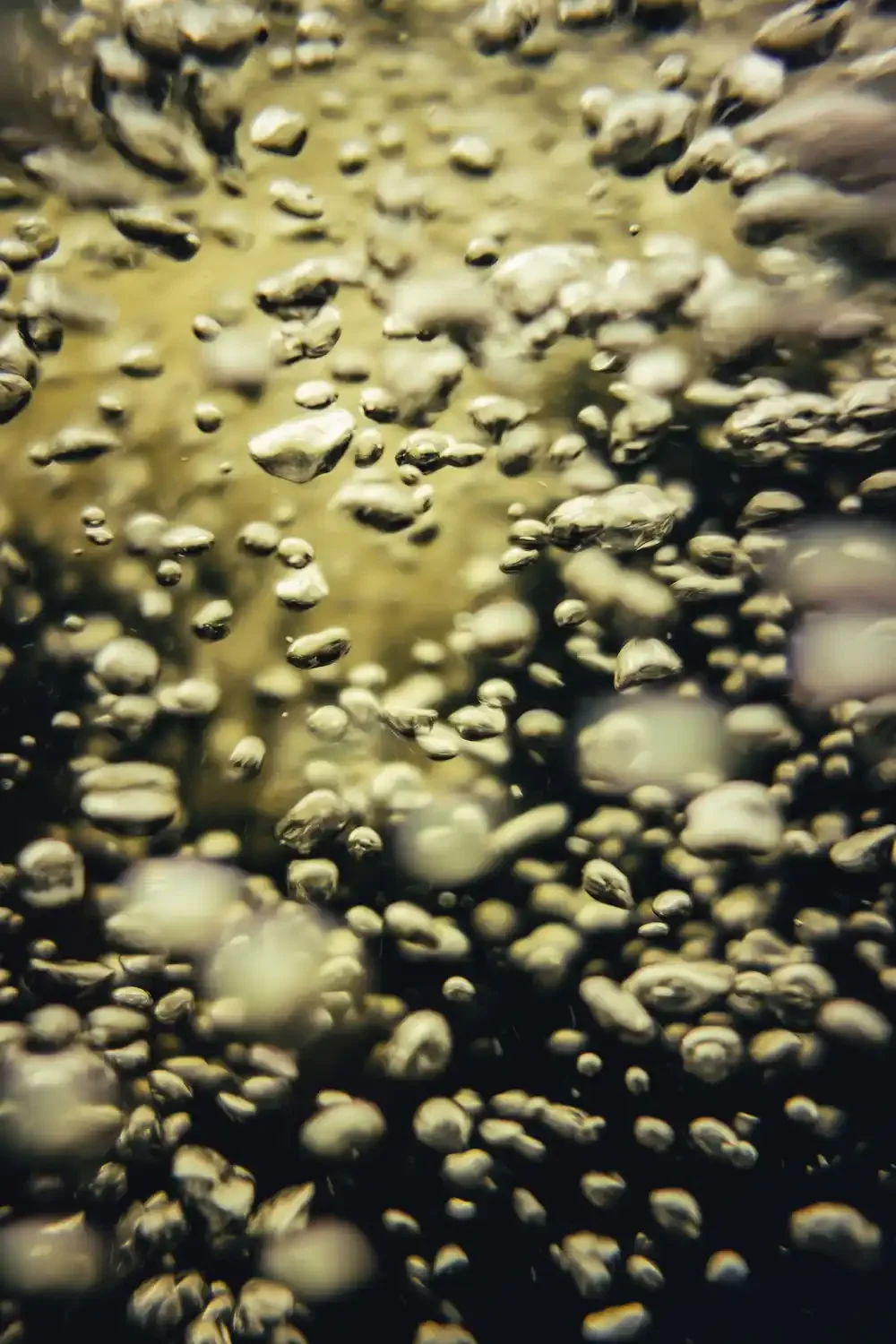
If you spend any time in rivers or pools, you’ll often end up making abstract images and close‑ups, not because you planned to, but because the details are so compelling once you’re in among them.
Playing with Light, Movement and Imperfection
Freshwater underwater photography is essentially a study in light and movement.
Working just below the surface gives you reflections, split level views and dancing light patterns on the bed. It should be noted, that unless you have the resources to buy a dome port for your underwater housing, split level views are fairly hard to achieve!

I’ve found the best results are achieved (well, results I enjoy) from shooting in water with bright sunlight (conditions I really dislike for above water landscape photography) 😂 You get some amazing images, with shafts of light, reflecting bubbles, better contrast. As an aside, it’s a good idea to check where the sun will be at certain times. It’s pointless turning up to a river that lies in a deep valley at 8am when the sun will not hit the water until midday 😁
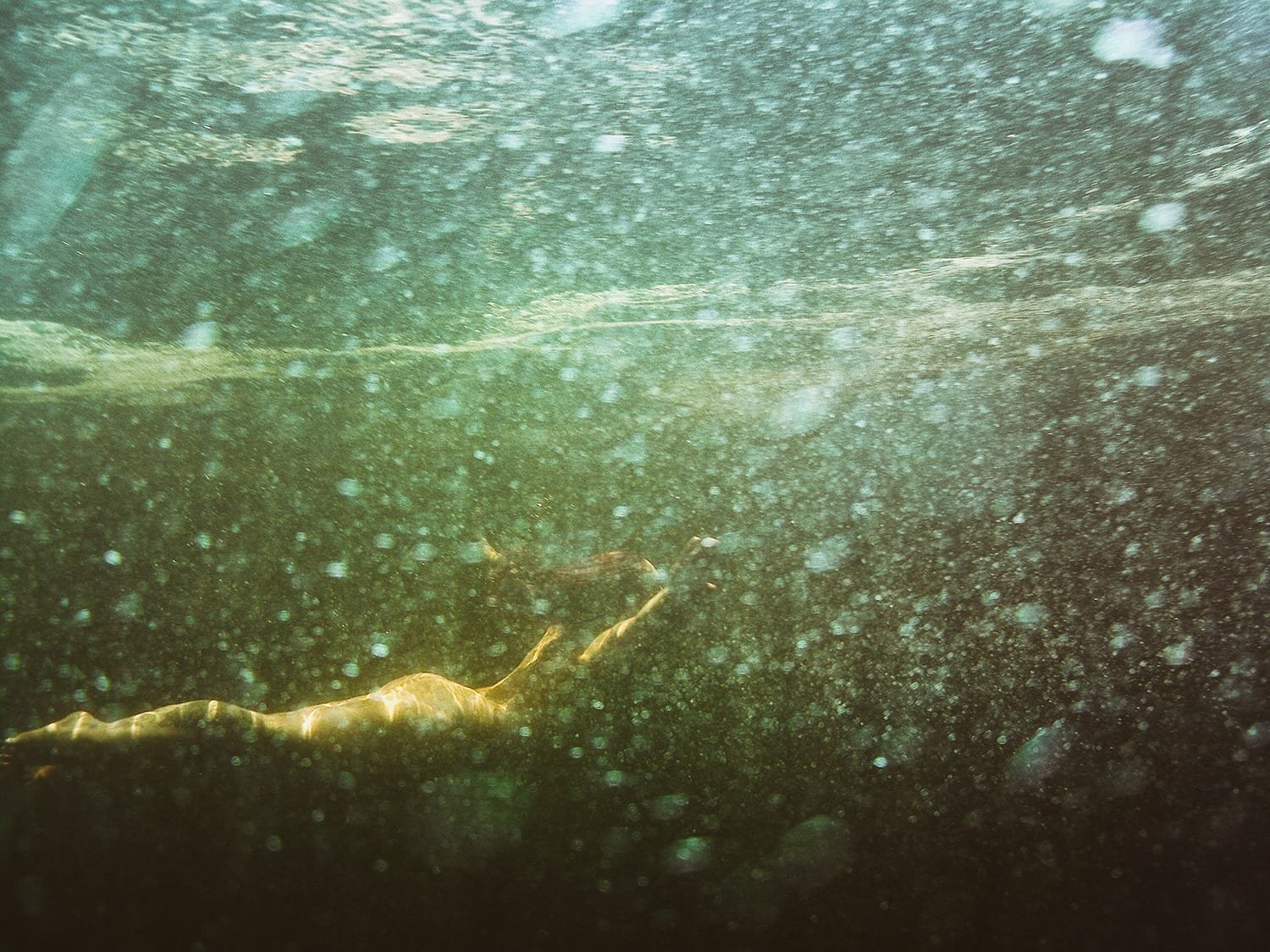
You don’t need to go very slow for motion blur when you’re underwater, even modest shutter speeds will turn bubbles and plants into streaks and otherworldly textures.
Simple Underwater Gear
It’s not like you need to spend a great deal to start playing in Dartmoor’s rivers and pools. My journey into this type of photography was fuelled by my enjoyment of experimenting. I had a really cheap generic action cam, that although designed for video, also had a “stills” function. Because I’m outside a lot I also have a waterproof phone and the camera on that has a specific setting for underwater photography, many of my short videos in water have been shot on my phone.
Dartmoor Underwater Portraits is an article about my exploits attempting to shoot underwater, that explains a bit more about the kit I use.
If your camera or housing doesn’t already have a wrist strap or leash, you should probably fashion something from an old shoe lace as it’s rather time consuming trying to recover it from fast moving water 🤣
I’ve always had a wetsuit available (even before I tried underwater photography I enjoyed finding shooting angles that allowed for a different perspective, wading into freezing rivers in February 🥶 or lying in boggy areas). You don’t need the latest or best labels, just remember a wetsuit adds a lot of weight to your rucksack!
Even when I don’t carry my wetsuit, I always carry a pair of beach shoes. I have these because I will happily remove my boots and socks and roll up my trouser legs to cross a river (particularly in the southern moor, river beds have a lot of sharp slate … ouch). The bonus is they are perfect for giving you better grip if you do decide to shoot underwater.
I’ve seen some photographers experiment with extra lighting and I’ve actually invested in a few cheap underwater lights, but so far I’ve failed to juggle using these as well as keeping my mind concentrated upon all the other variables - maybe this summer! 😂
Safety First
I shouldn’t need to tell you doing anything in water, particularly fast moving or cold water can be extremely dangerous, and doing that with a camera and the inherent distractions of photography, means you need to think before you shoot.
Don’t forget that if your favourite spot is also a popular swimming place or wildlife habitat, you need to work around other people and wildlife.
Experiment - Enjoying the Process More Than the Outcome
I know I keep saying this, but the joy of photography for me is learning new things, experimenting, failing and trying again.
In my opinion the biggest joy is learning and just being in the water. The experience is as important as the results.
Even if you end up deleting all the files from you half hour in a river you still got to spend half an hour in a river. What’s not to like?
If you manage to grab a few decent images … even better 😍
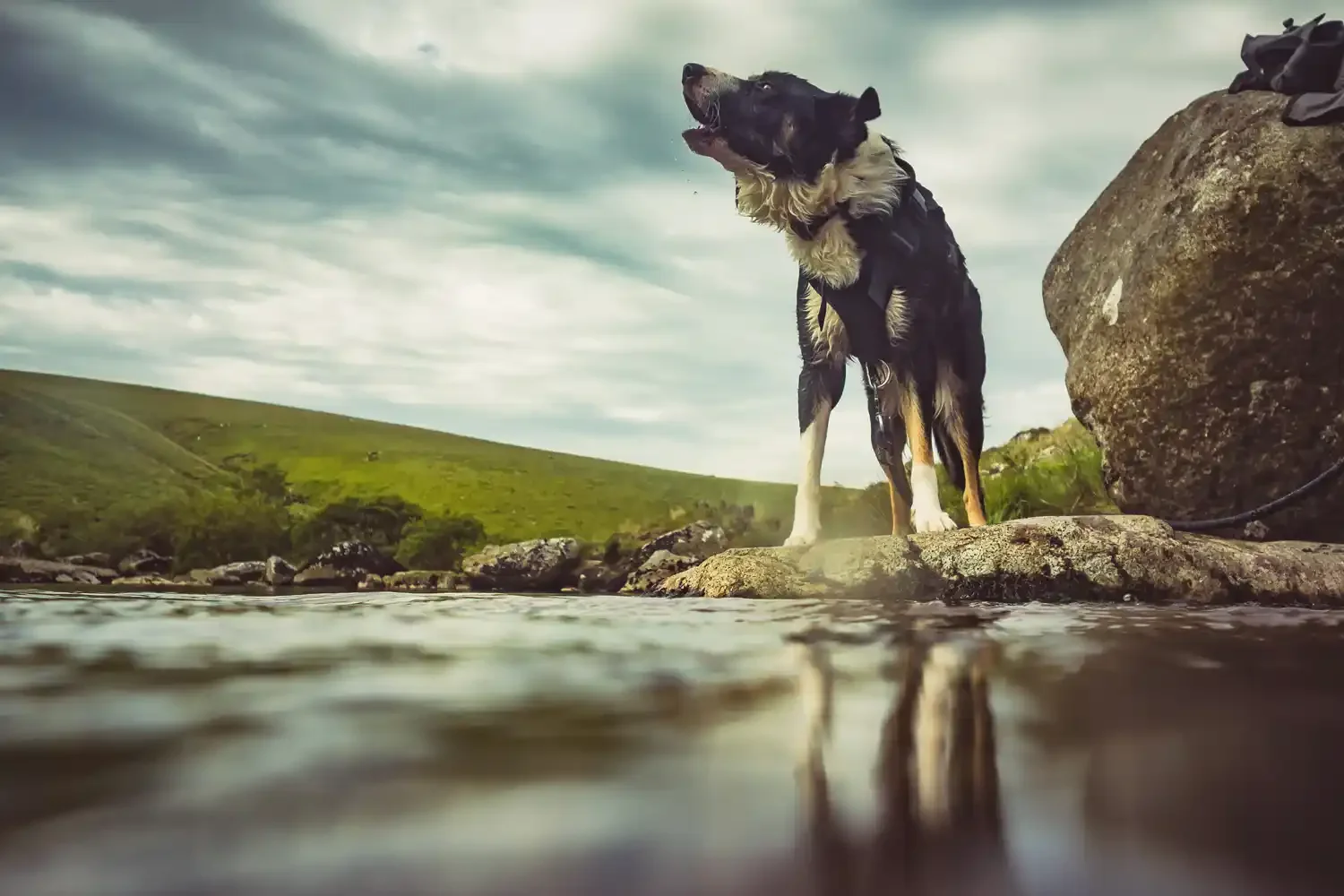
My dog is now a little more keen to get in 😂