Alan Endacott & The Metheral Stone Circle
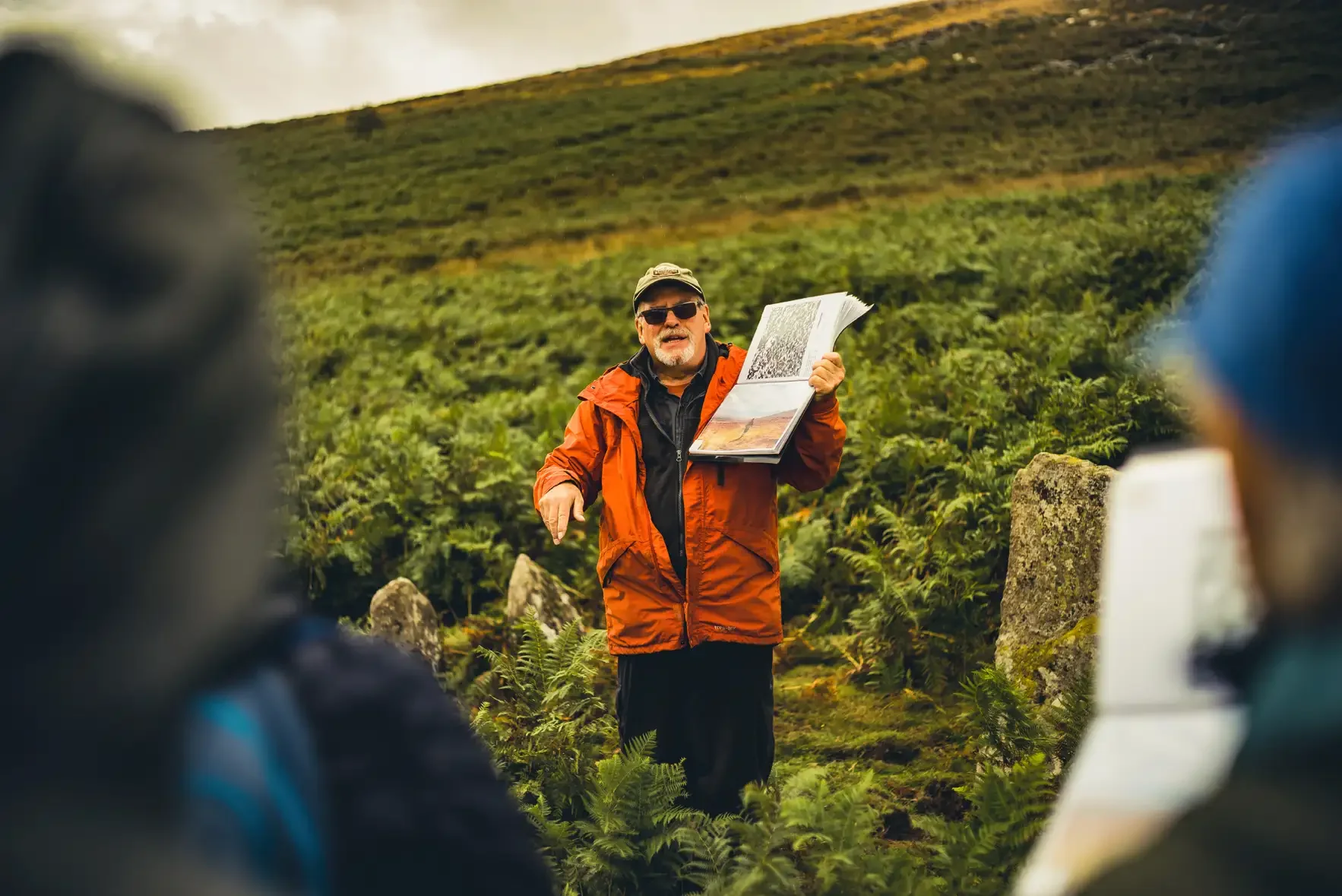
Alan at the Irishman’s Wall Stone Circle
Who is Alan Endacott?
“Among the moormen of the northern part of the Forest the names of Endacott and Edmund Powell are well known”
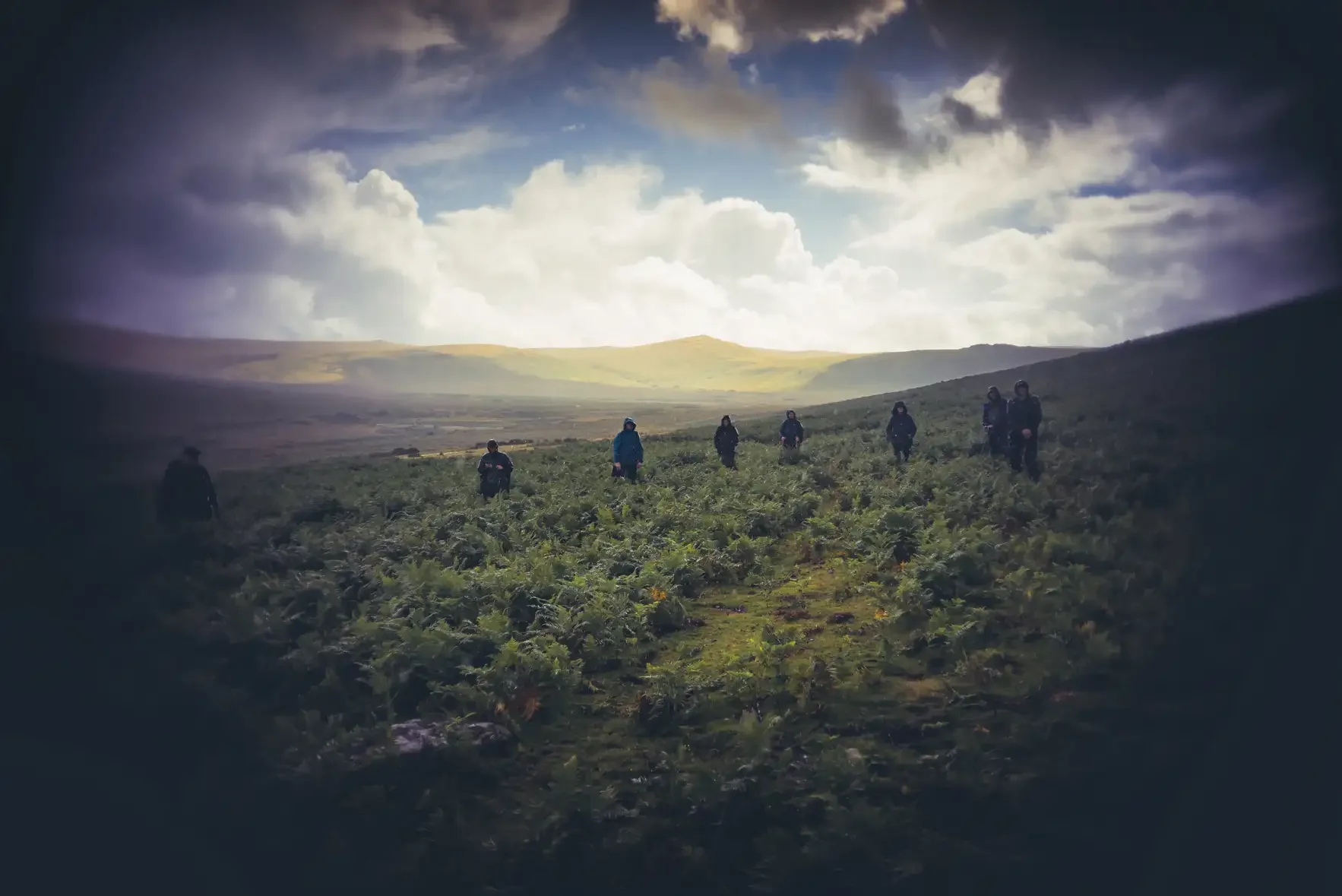
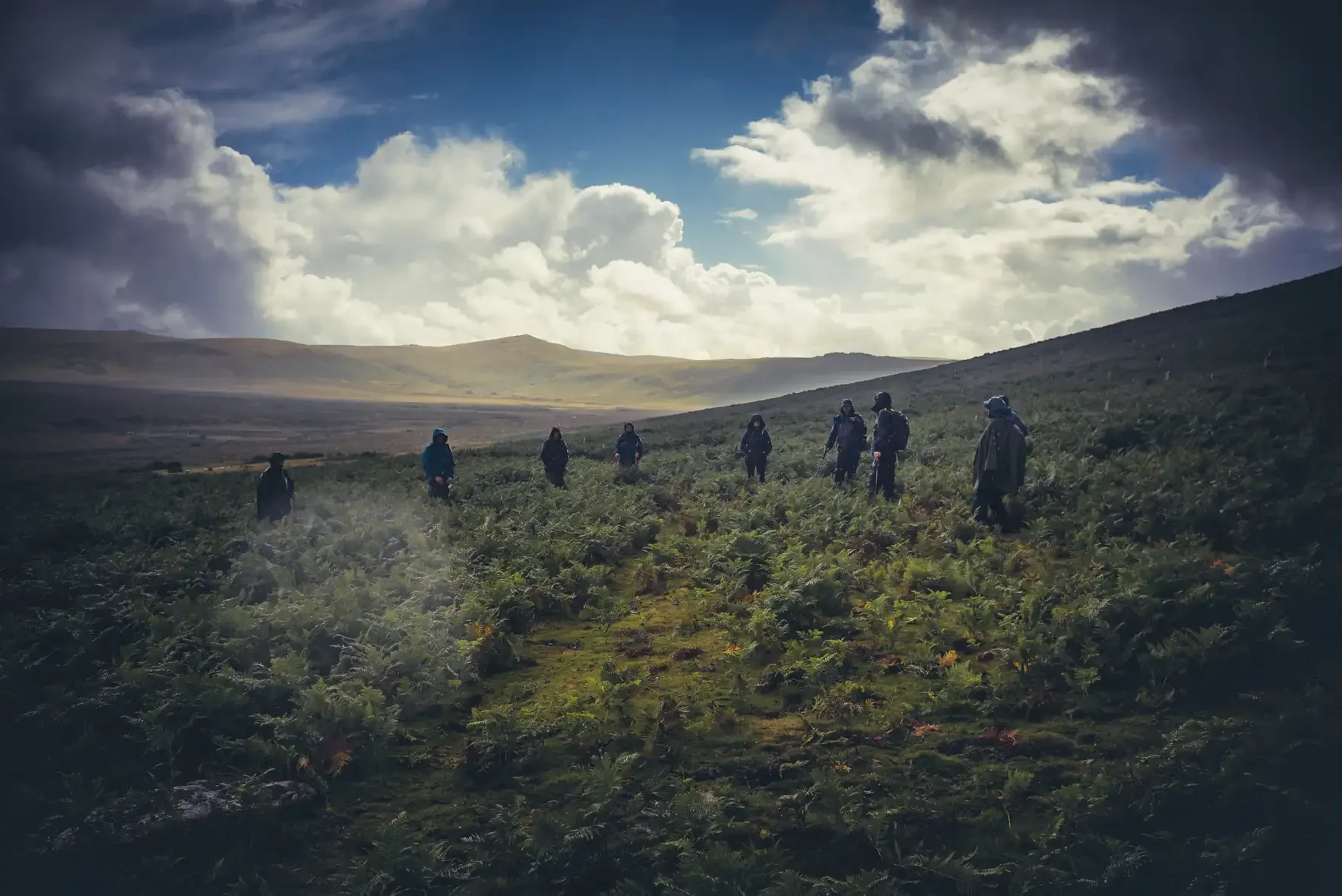
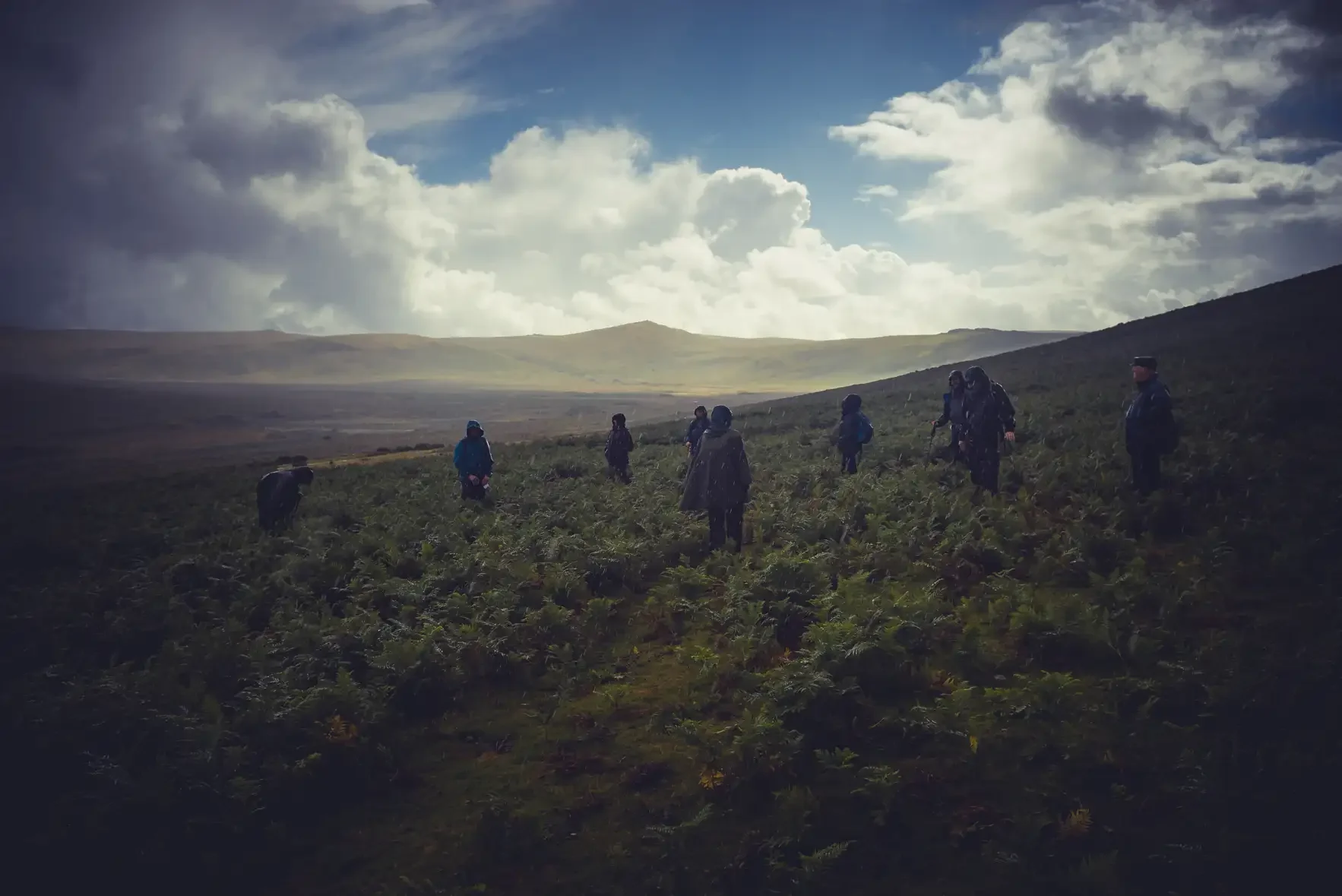
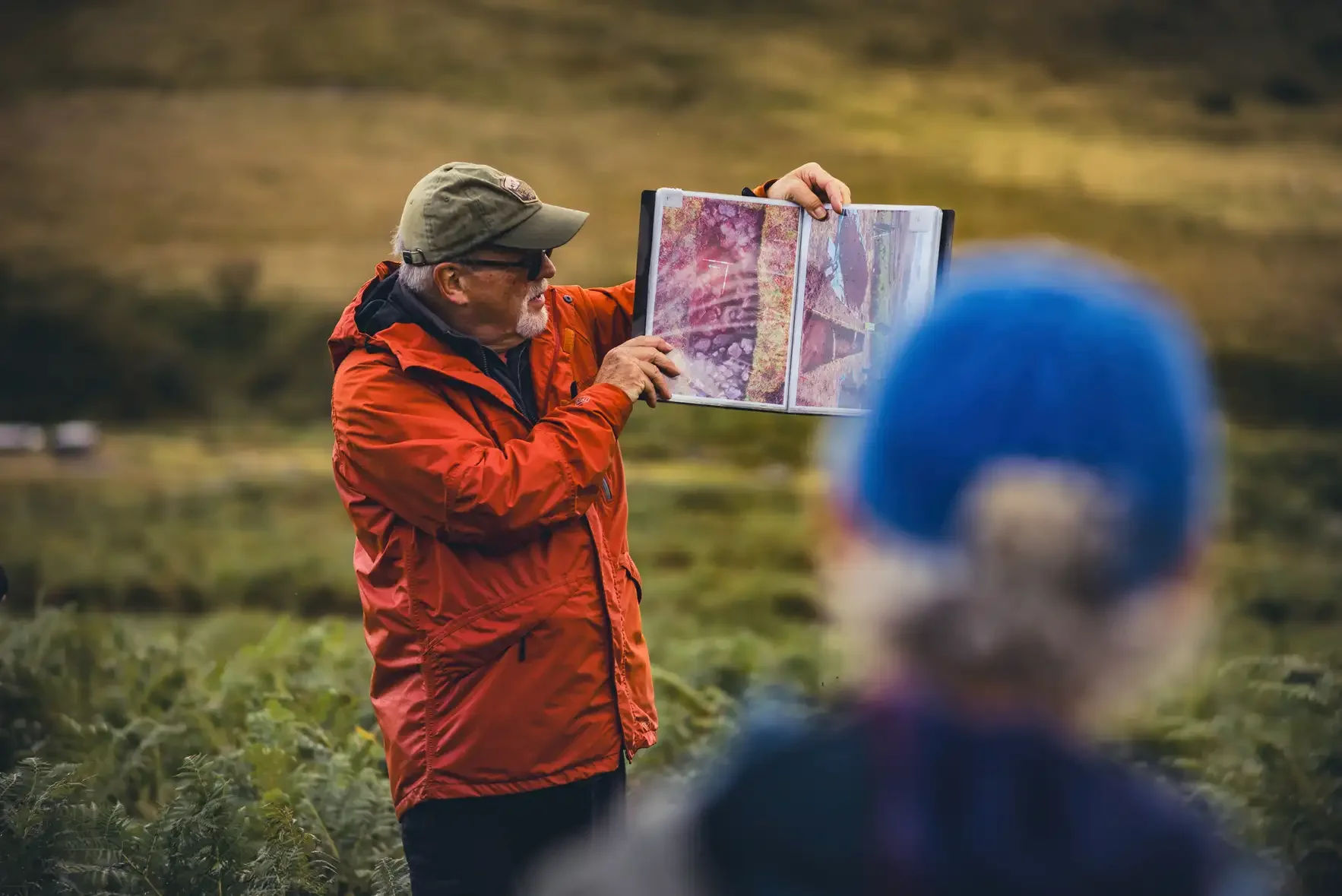
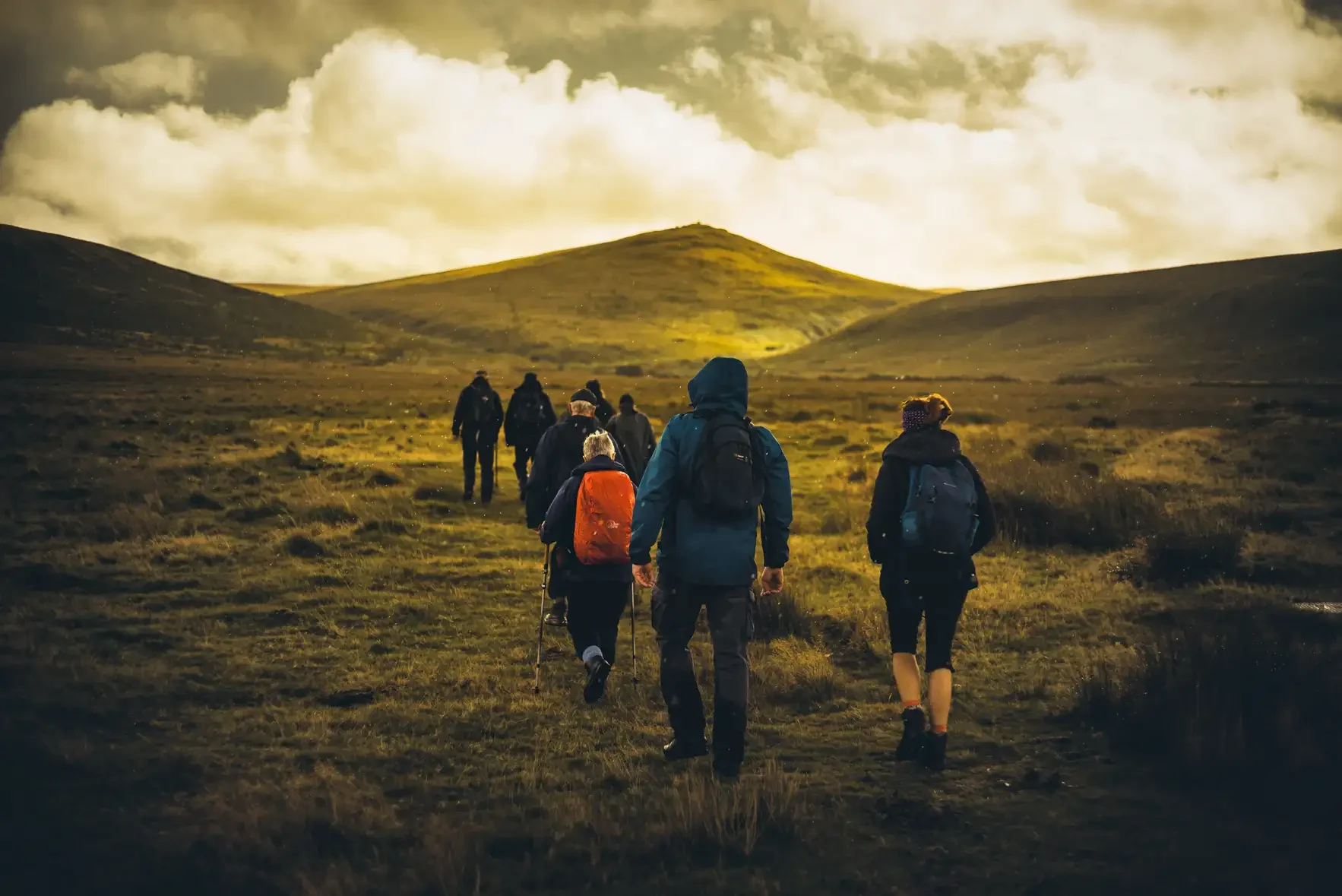
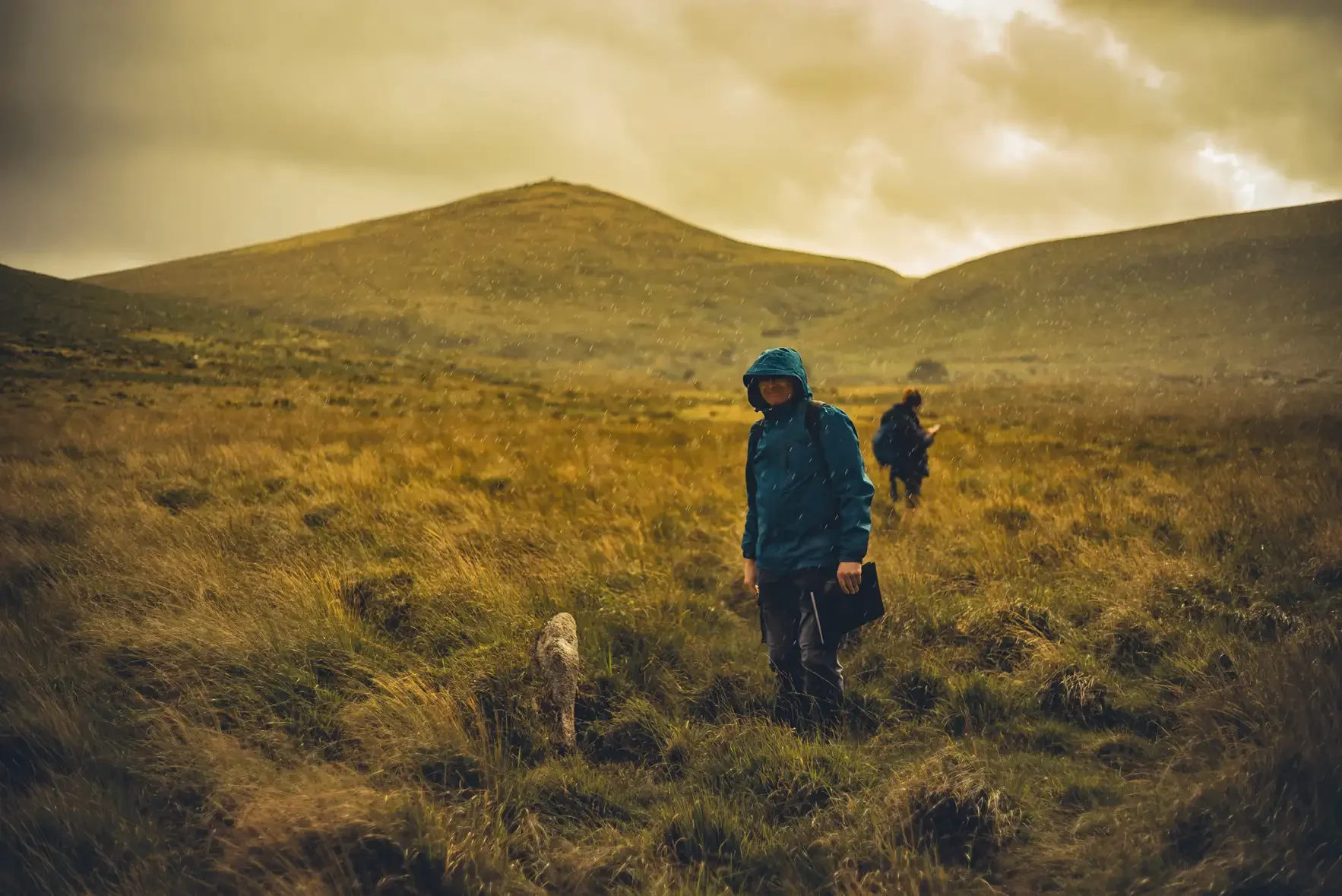
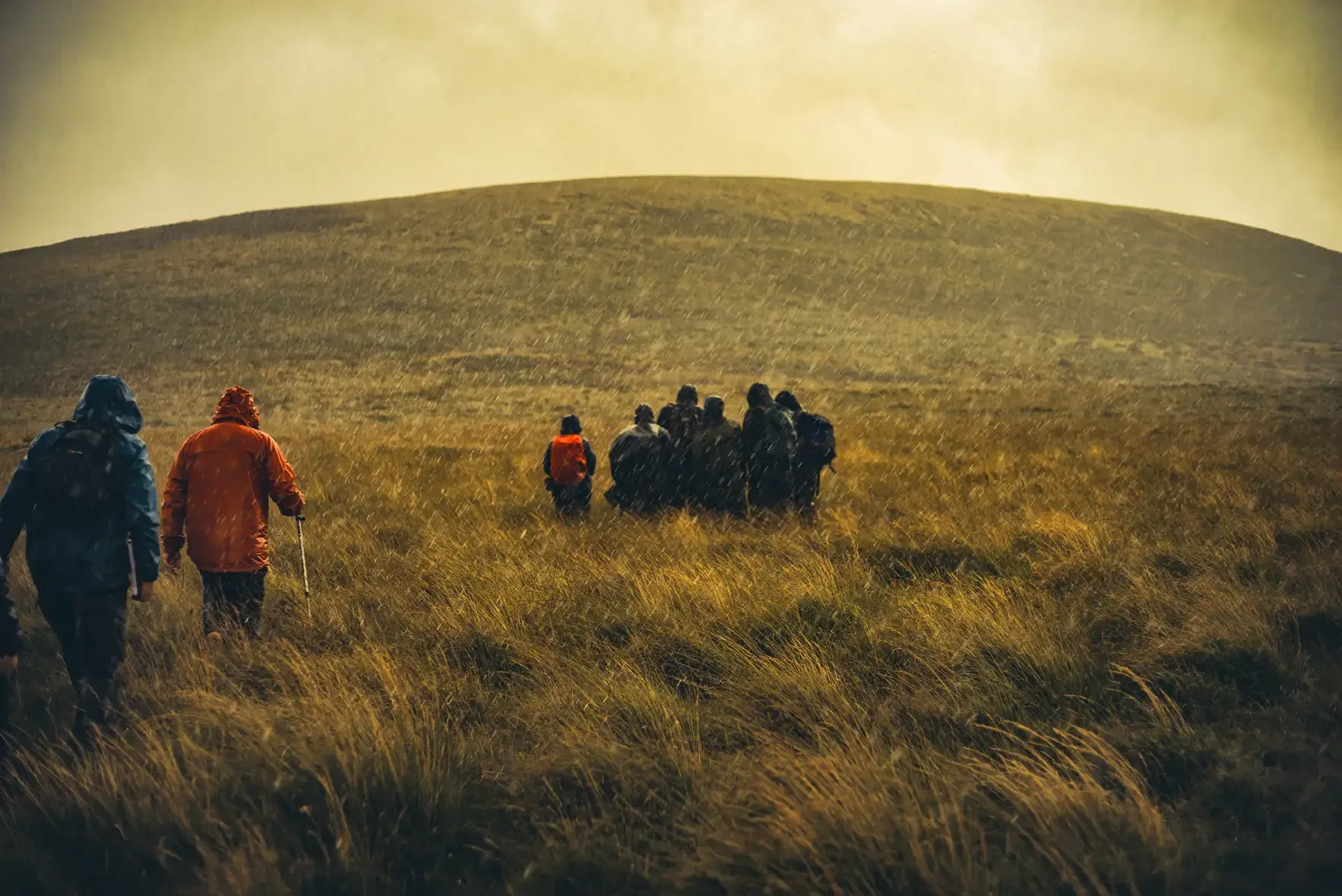
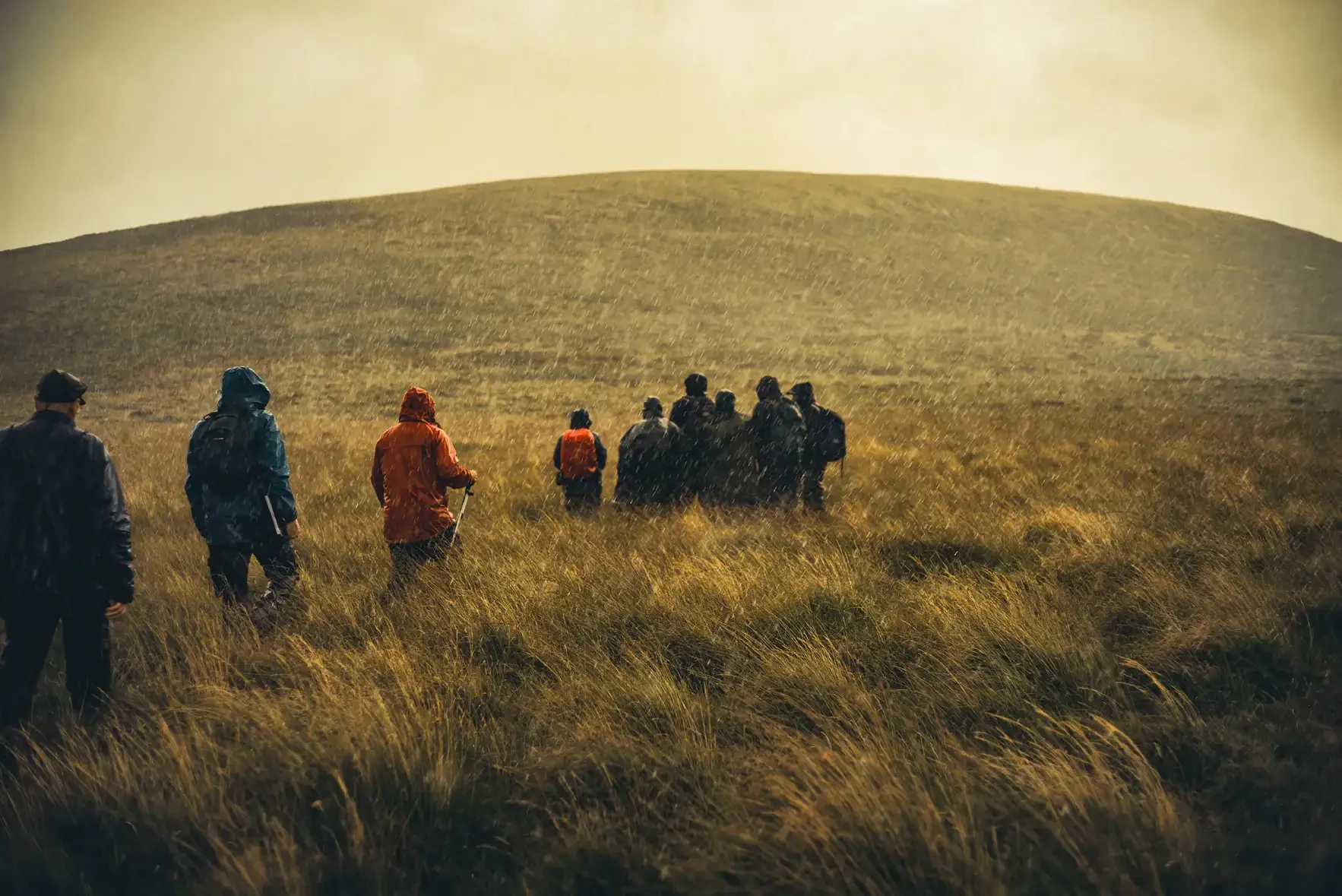
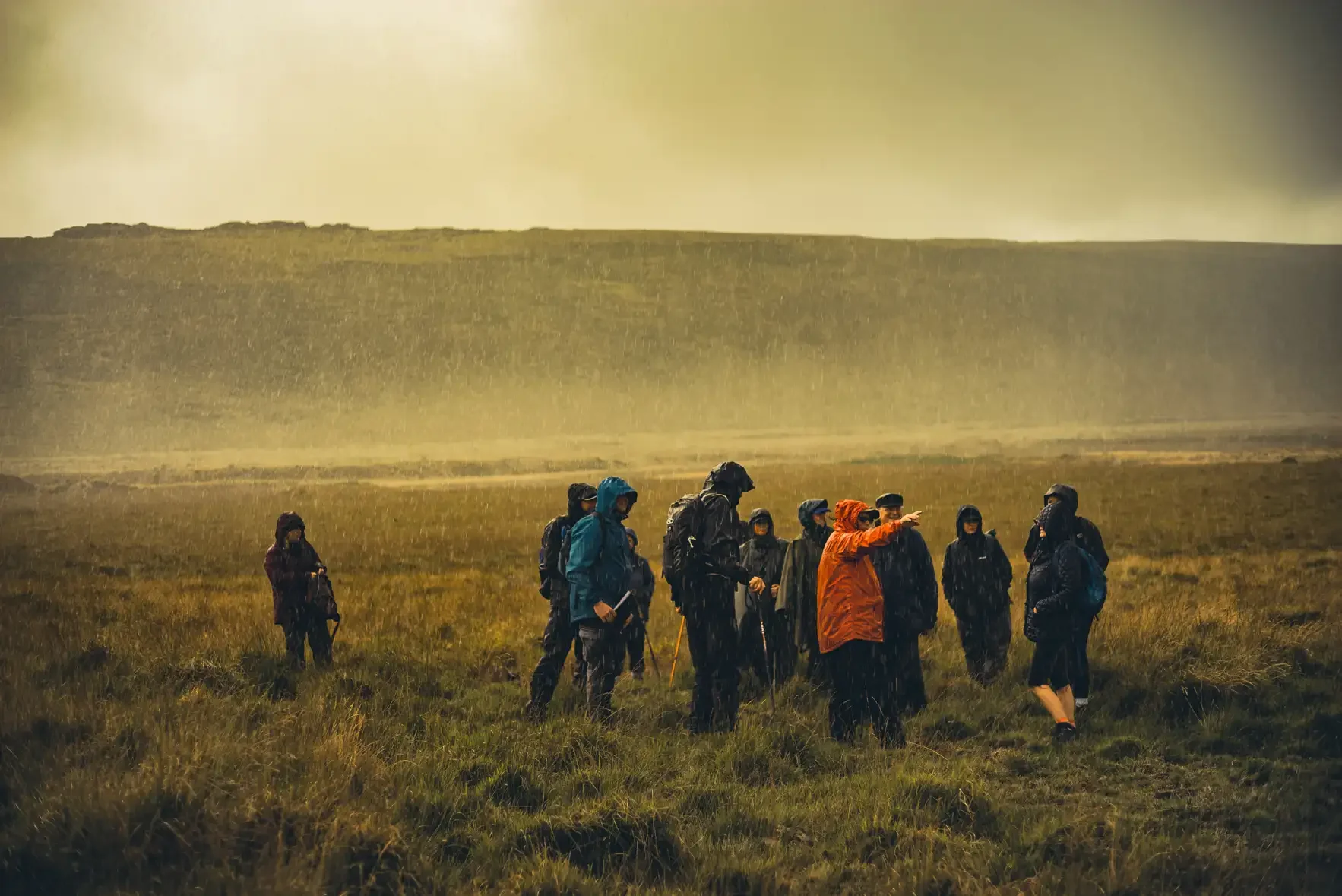
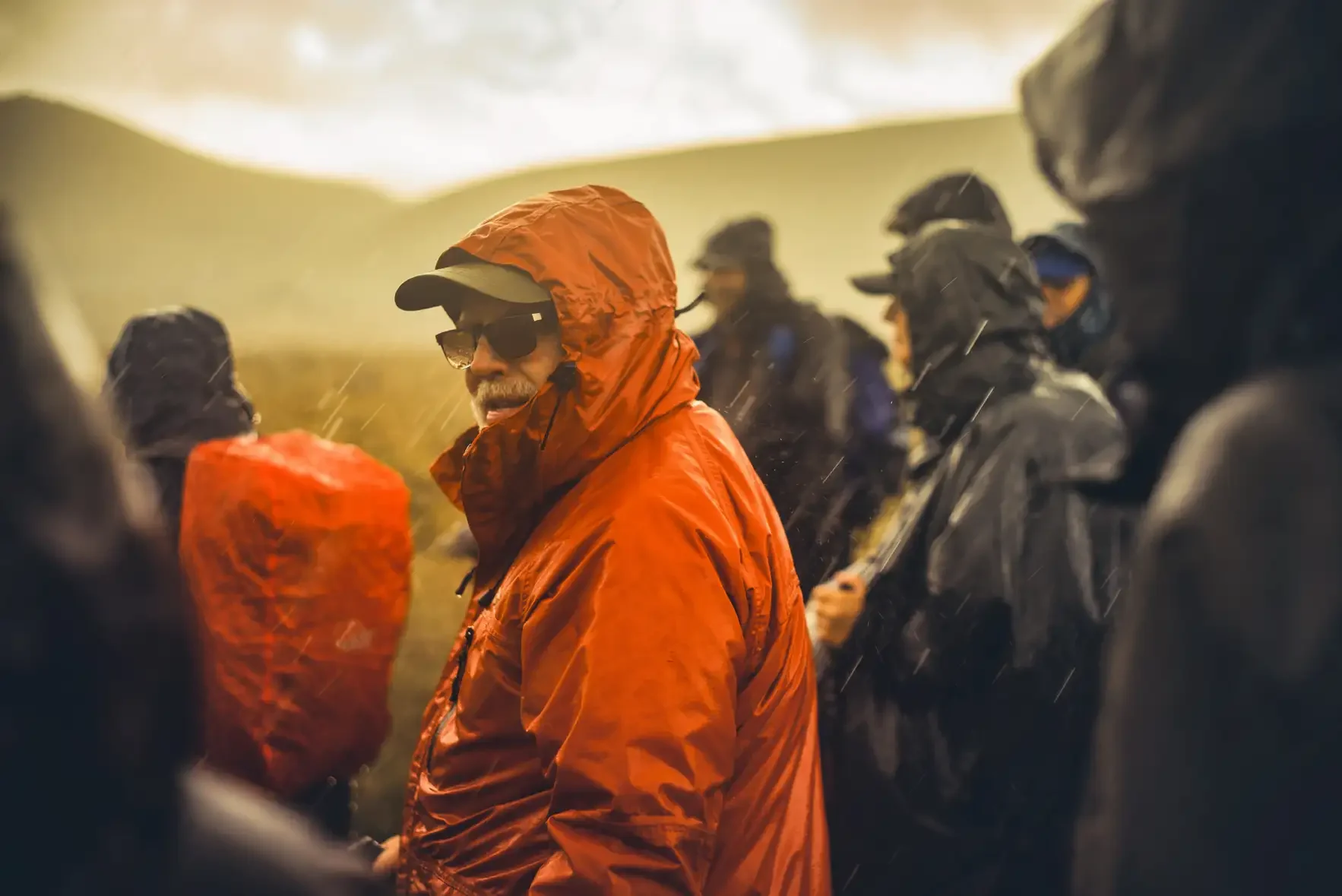
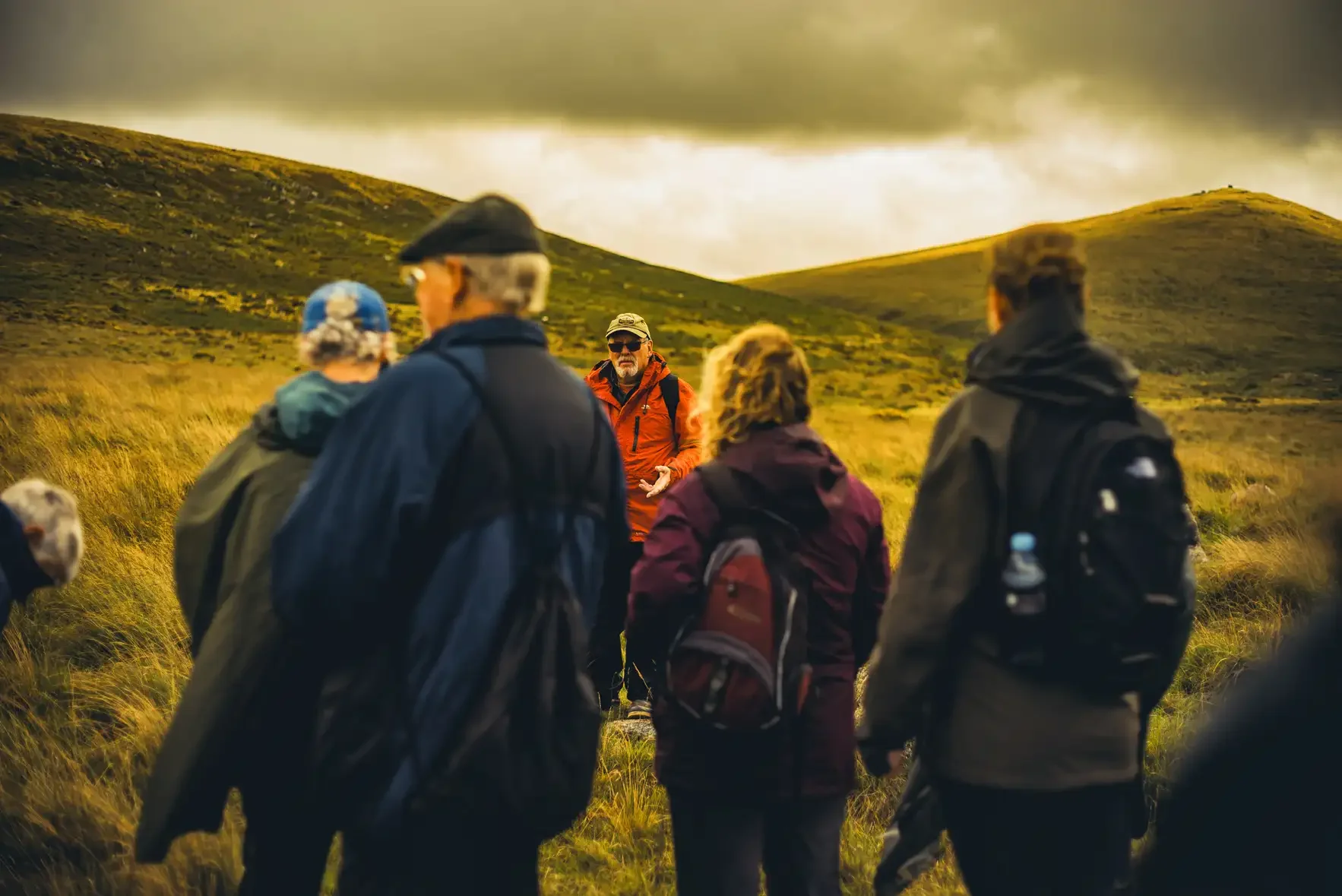
On the 1st September 2025 I was extremely privileged to meet Alan as he took a group of us to visit several ancient sites around the Taw Marsh area of Dartmoor as part of the Dartmoor Outdoor Festival
Most of us who wander (usually, rather aimlessly) across Dartmoor’s more interesting vistas, presume that it’s stone circles, places like Grey Wethers and Scorhill, have been known and studied since time immemorial.
This just isn’t true, and at some juncture, I should probably write a blog entry about how the Victorian’s (for all their inventiveness, curiosity and enthusiasm) are the bane of many a modern academic 😂
Indeed, rather than being the open history book you might expect, Dartmoor continues to surprise us with it’s secrets.
Dedicated Dartmoor explorer Alan Endacott, is responsible for one of the most exciting prehistoric finds on the moor in recent times.
The Metheral Hill Stone Circle.
Born and raised on Dartmoor (at Clannaborough Farm, near Throwleigh) Alan is an independent archaeologist, his interest in everything both historical and Dartmoor related, arising from a passion triggered at an early age, when he discovered a civil war cannon ball on the moor.
This lead to Alan becoming the founder and original curator of the Museum of Dartmoor Life, which although now located in Okehampton, was at first housed (by a 7 year old Alan) in one of his father’s barns!
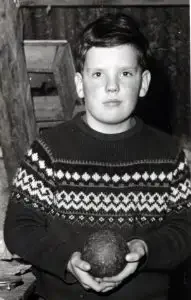
Alan, holding the cannon ball, aged 8 - The founder of the Museum of Dartmoor Life
“Heading towards Throwleigh I cross the Blakaton Brook at the ford above the weir and pass between Moor Farm and Clannaborough Farm, an early mediaeval construction examples of which still remain behind the present farmhouse, is the home of the Endacott family. Some years ago I visited them to talk to Alan, one of the teenage sons, who -despite his youth - had announced the opening of his one-man museum.
His first encouragement came whilst walking the moor and finding a civil war cannon ball. His museum, housed in one of his father’s barns alongside the farmhouse, grew to consist of three separate sections.”
Rather than being purely driven by academic research, Alan’s work is fuelled by years of wandering Dartmoor, exploring the lesser visited spots and from natural open minded curiosity.
A multi-talented gentleman, Alan is also a brilliant stained glass artist and renovator at Angel Stained Glass highlighting again how his diverse skill set helps drive his thirst for knowledge.
If you’d like to help Alan continue to make further breakthroughs in his self funded Ph.D research at The University of Exeter, maybe take a quick look at his Crowdfunder Page 😍
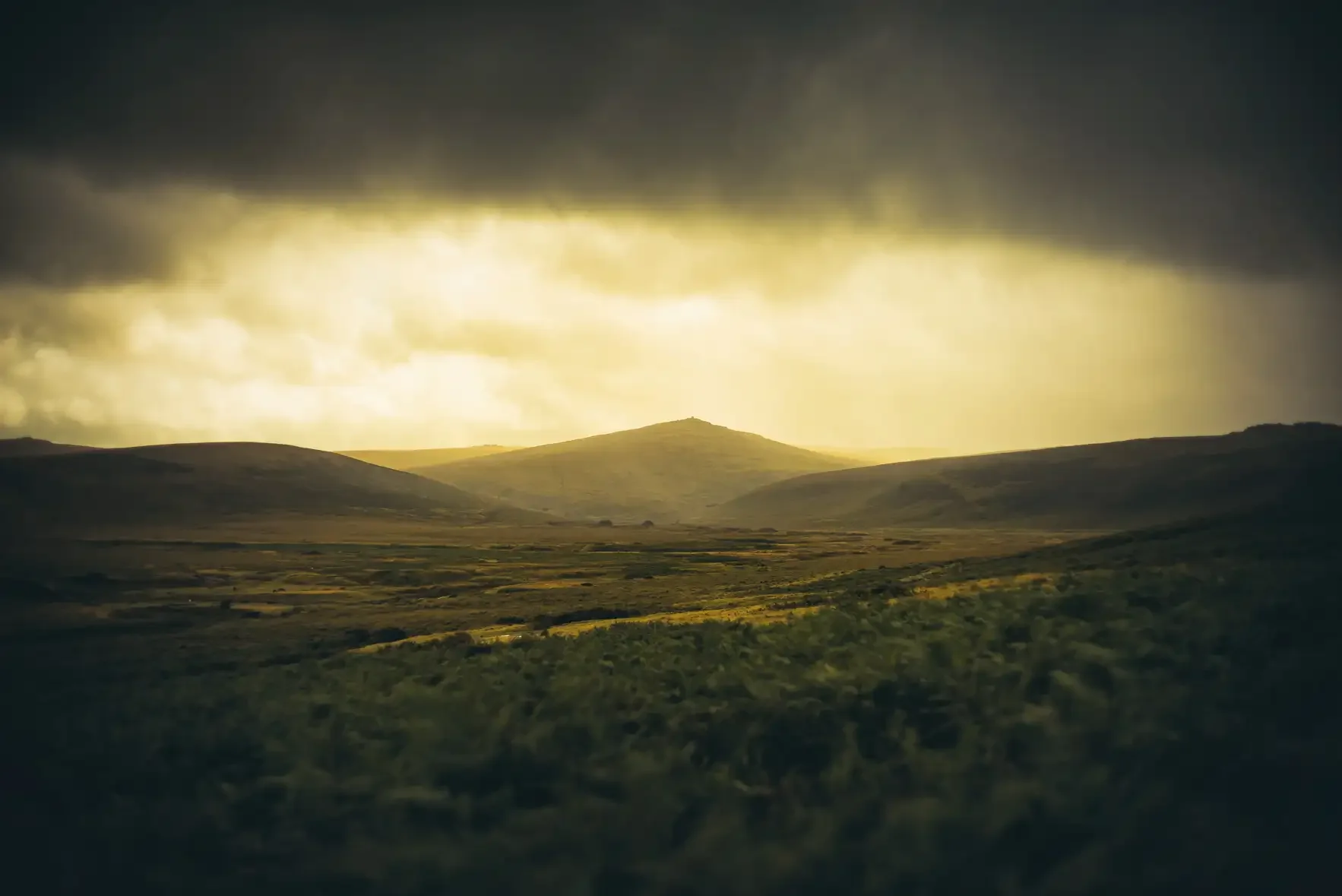
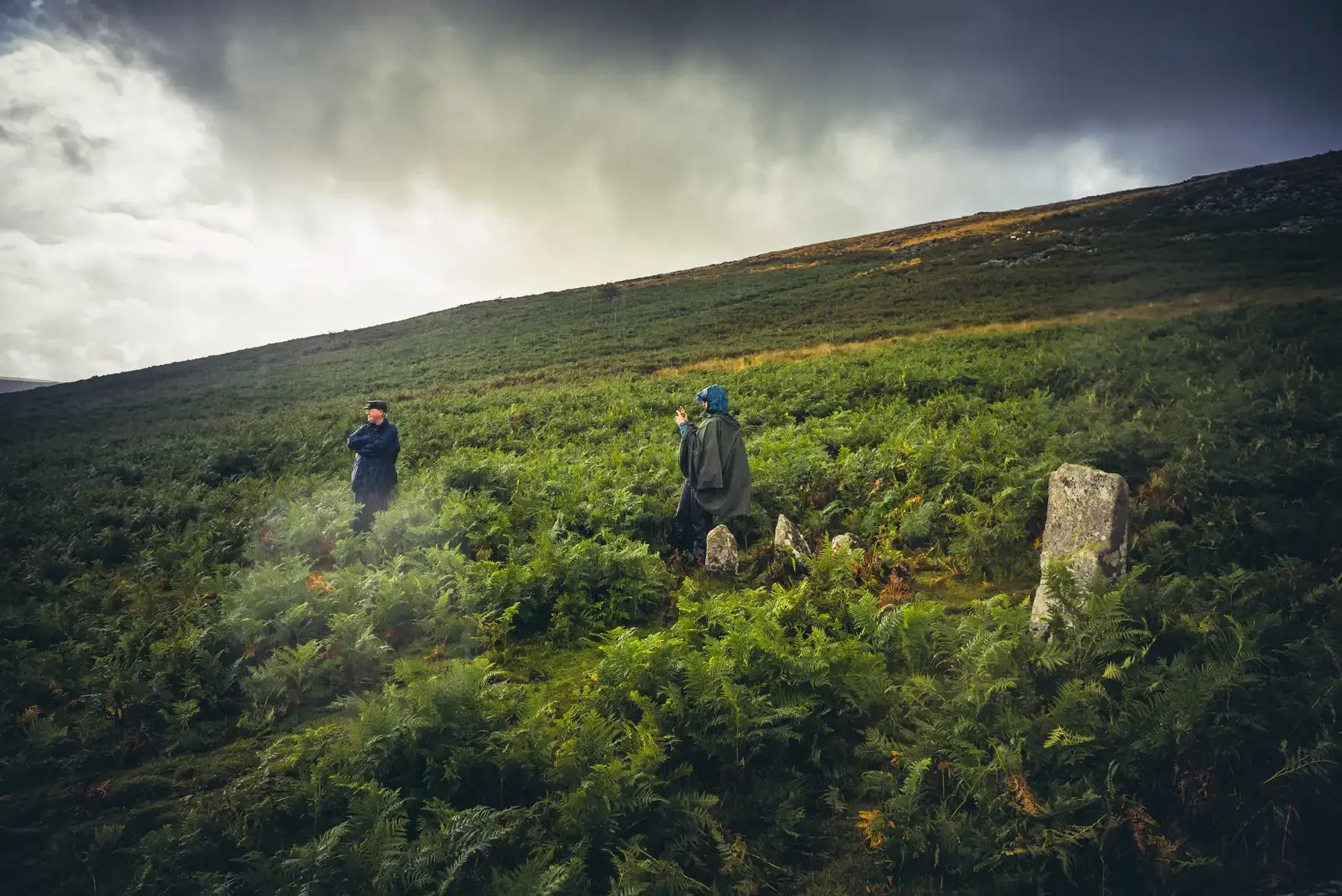

The Metheral Circle
It should probably be said that although this article is about The Metheral Circle, Alan is also well known for discovering the Sittaford Circle in 2007 just below the summit of Sittaford Tor.
In late 2024, Alan announced his latest discovery, a previously undocumented Neolithic monument on Taw Marsh close to the village of Belstone.
Now known as the Metheral Stone Circle as the site is located beneath Metheral Hill on Dartmoor. The circle consists of about 20 stones arranged in an oval formation roughly 40 by 33 metres in size.
Many of the stones lie recumbent or overgrown today, and their relationship to one another had been overlooked until Alan’s systematic search brought them to light.
“‘It’s been wonderful,’ said Endacott, who was joined by a team of volunteers braving the moor’s often inclement weather in September and October to work on the sites. ‘Since Sittaford I’ve been doing lots of systematic searches. You’ve got to get off the beaten track to find anything new on Dartmoor.’”
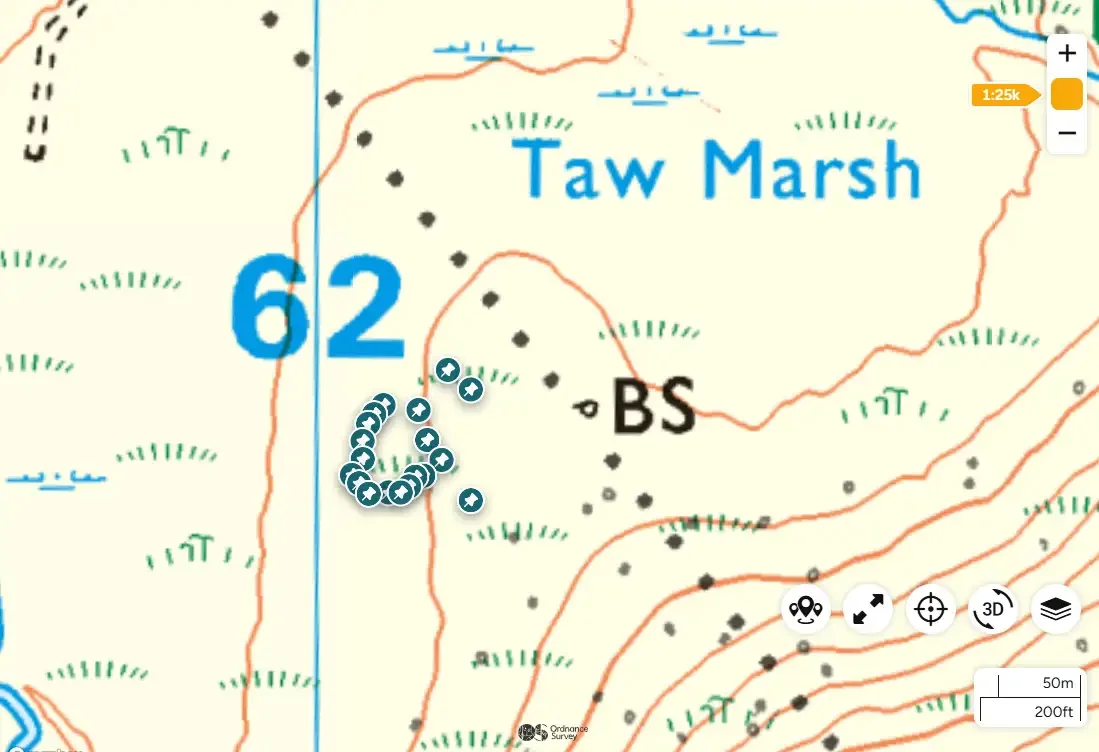
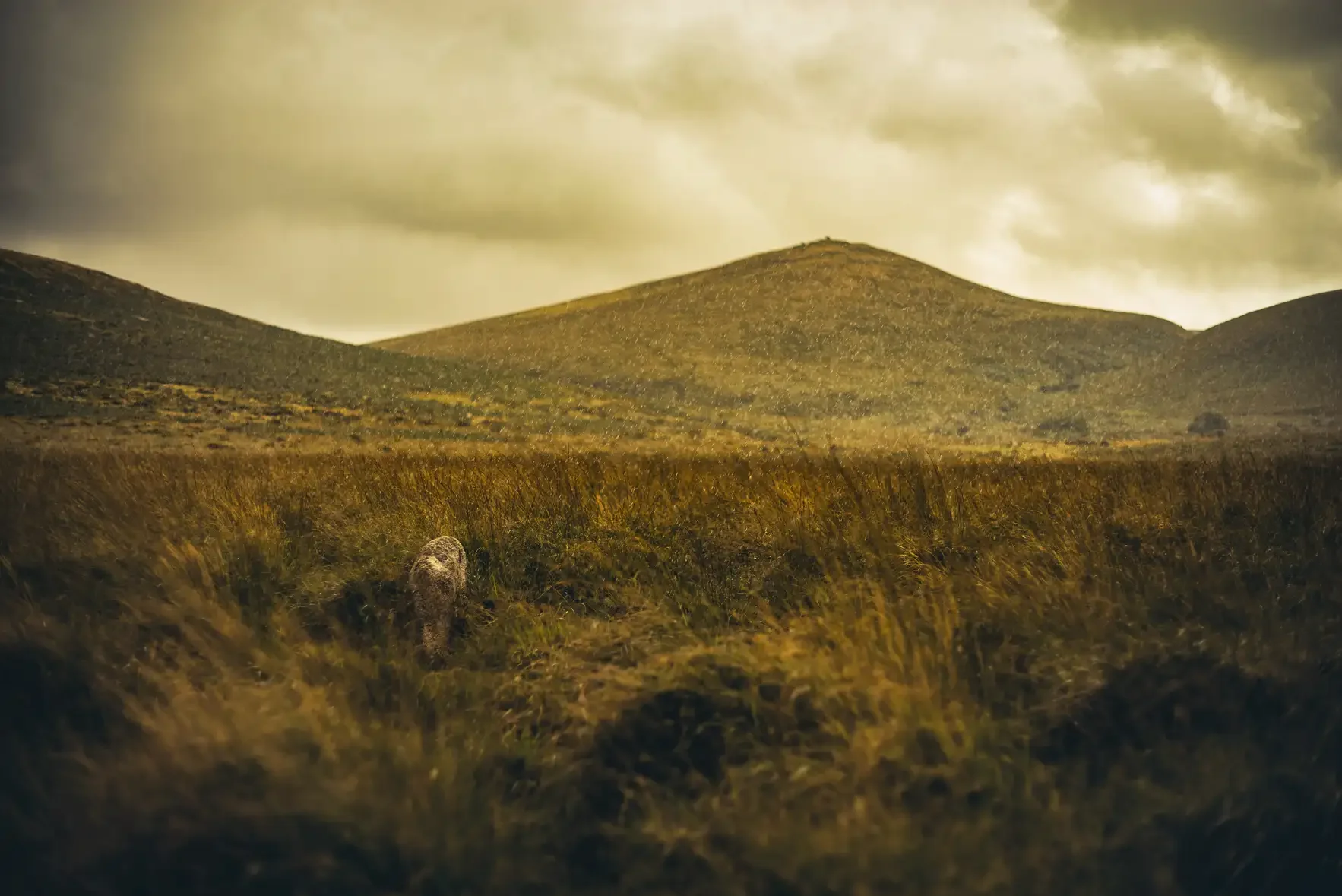
On a later, solo trip to the circle, on another very wet and windy day, I attempted to record the locations of all the stones I could find in the area - I was partly successful 😁
This latest discovery is seen as significant because it adds to a growing number of prehistoric stone circles on Dartmoor that appear to fit within a pattern of monuments that might form a kind of “sacred arc”, a proposed alignment of stone circles encircling high ground on the moor.
Alan himself has argued that the arrangement of these circles may reflect intentional planning by Neolithic communities, perhaps for ceremonial or ritual purposes.
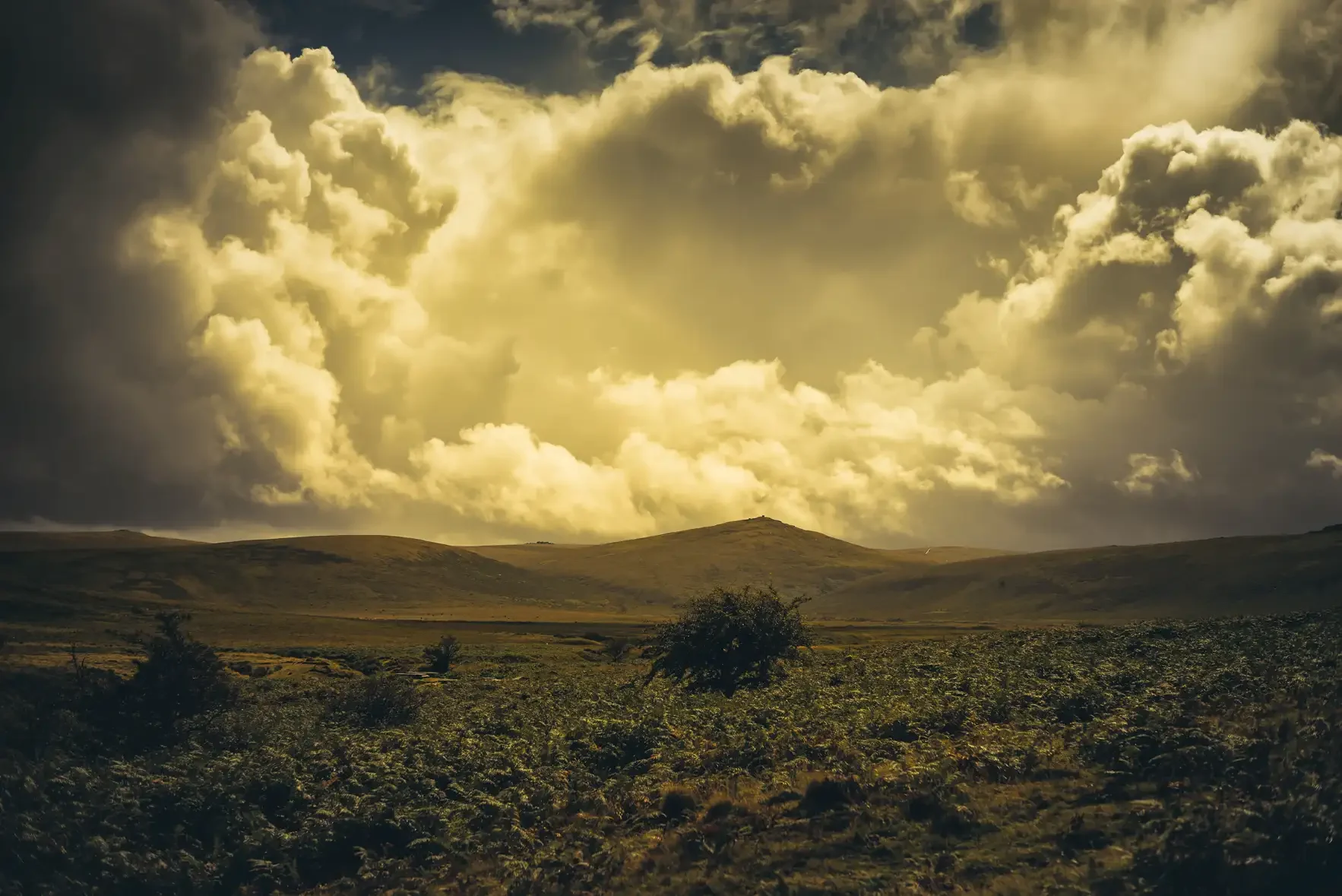
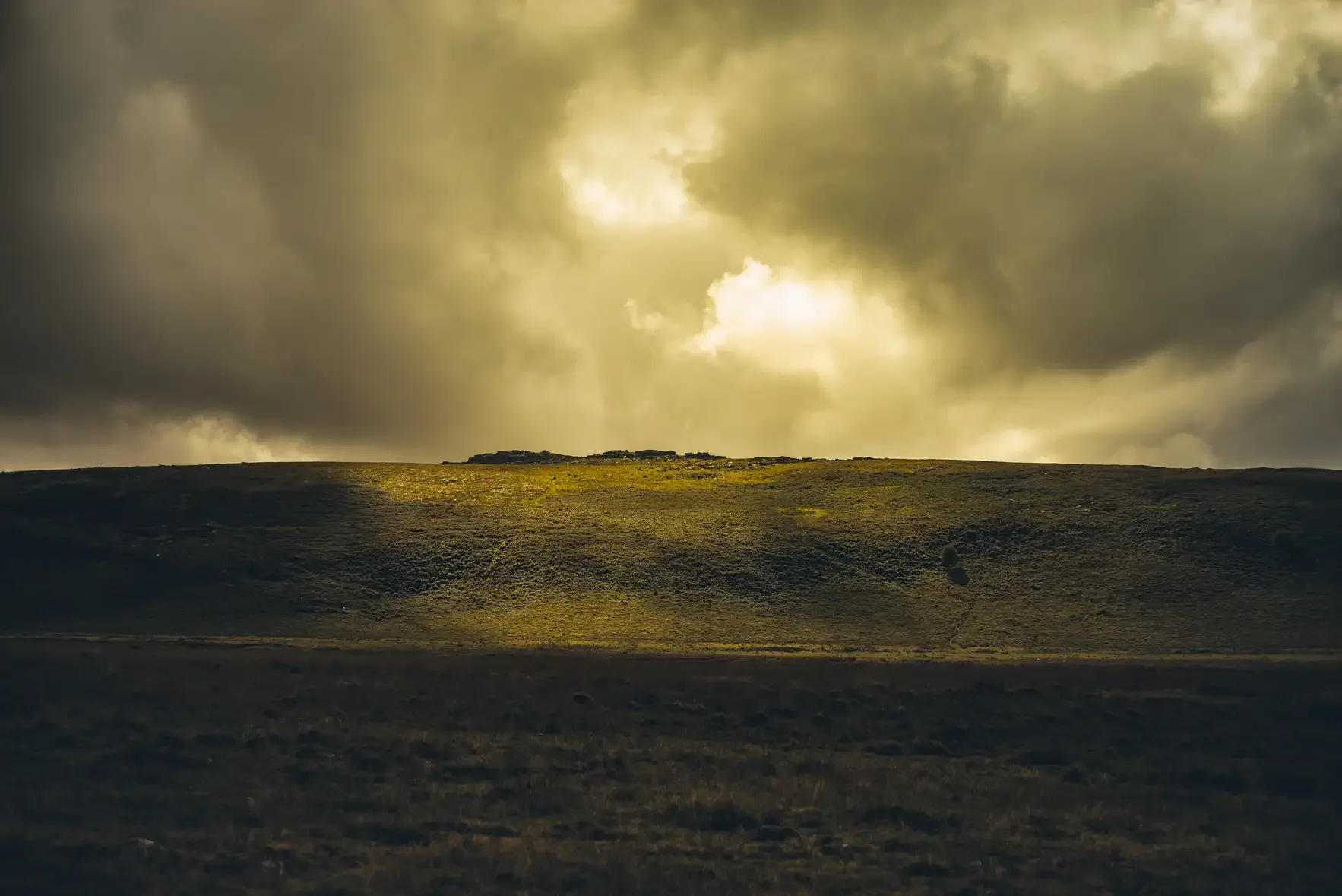
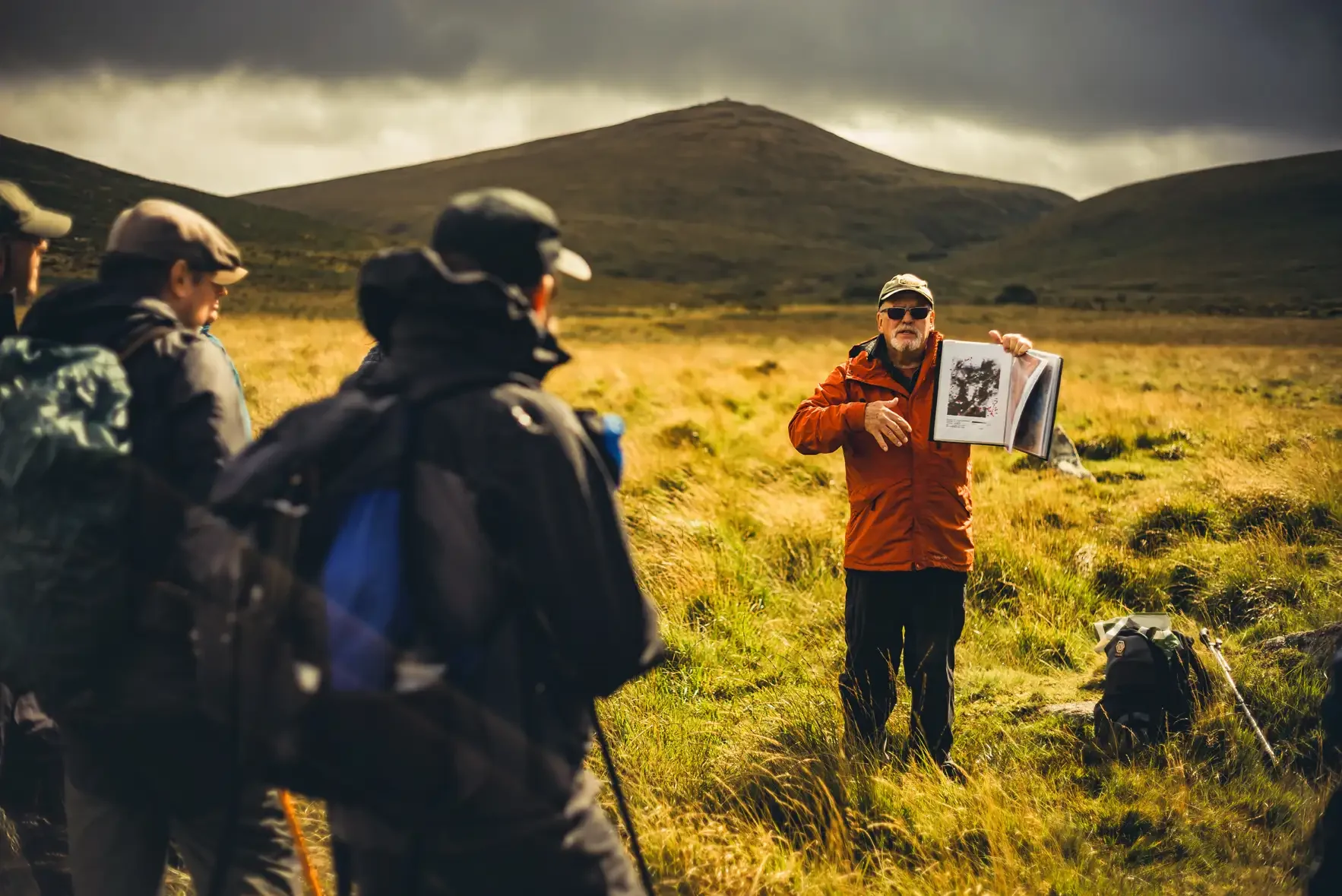
There are several lines of thought regarding the “arc”, some commentators referring to it as a “crescent” of ancient sites, whilst others suggesting that it is more likely that there is actually a “circle of circles” and that we have just been unable to find the missing sites, or they have been lost to time.
Whatever the final truth, the discovery of the Metheral Stone Circle has surely reignited the mysteries surrounding Dartmoor.
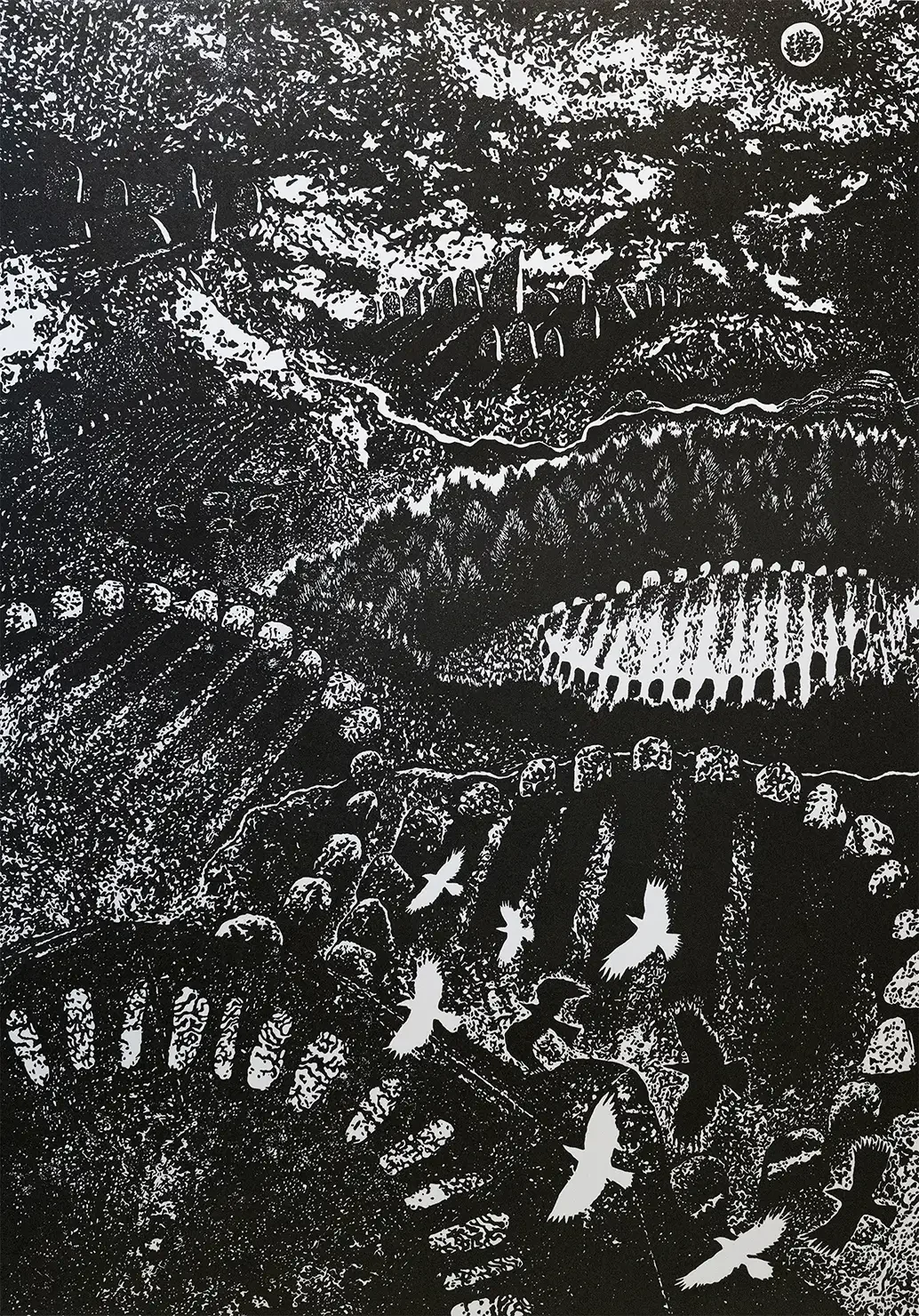
Circles of the Sacred Crescent by artist/printmaker Ian Cox
“The Sittaford circle appears to form part of an arc of similar monuments around the northeastern perimeter of Dartmoor, suggesting planning and cooperation between communities in the late Neolithic/Early Bronze Age and/or, perhaps, pilgrimage and some form of hierarchy governing ritual activities throughout the year.”
It appears that the Metheral Circle might be contemporary with Stonehenge, dating from around 5,000 years ago, a time when networks of prehistoric monuments were being constructed across Britain.
Archaeologists posit that people in the Neolithic period travelled significant distances and that the builders of Dartmoor’s stone circles may have been part of a broader cultural exchange that included other parts of Britain. This is borne out by the use of various stone types found at Stonehenge.
In addition to the Metheral Stone Circle, Alan and his volunteer teams have also identified another nearby circle, dubbed The Irishman’s Wall Circle (after the nearby Irishman's Wall) and even a collapsed dolmen named the “Fallen Brother Dolmen”, proving that even in the 21st Century, Dartmoor’s prehistoric landscape remains rich with mysteries just waiting to be explored.
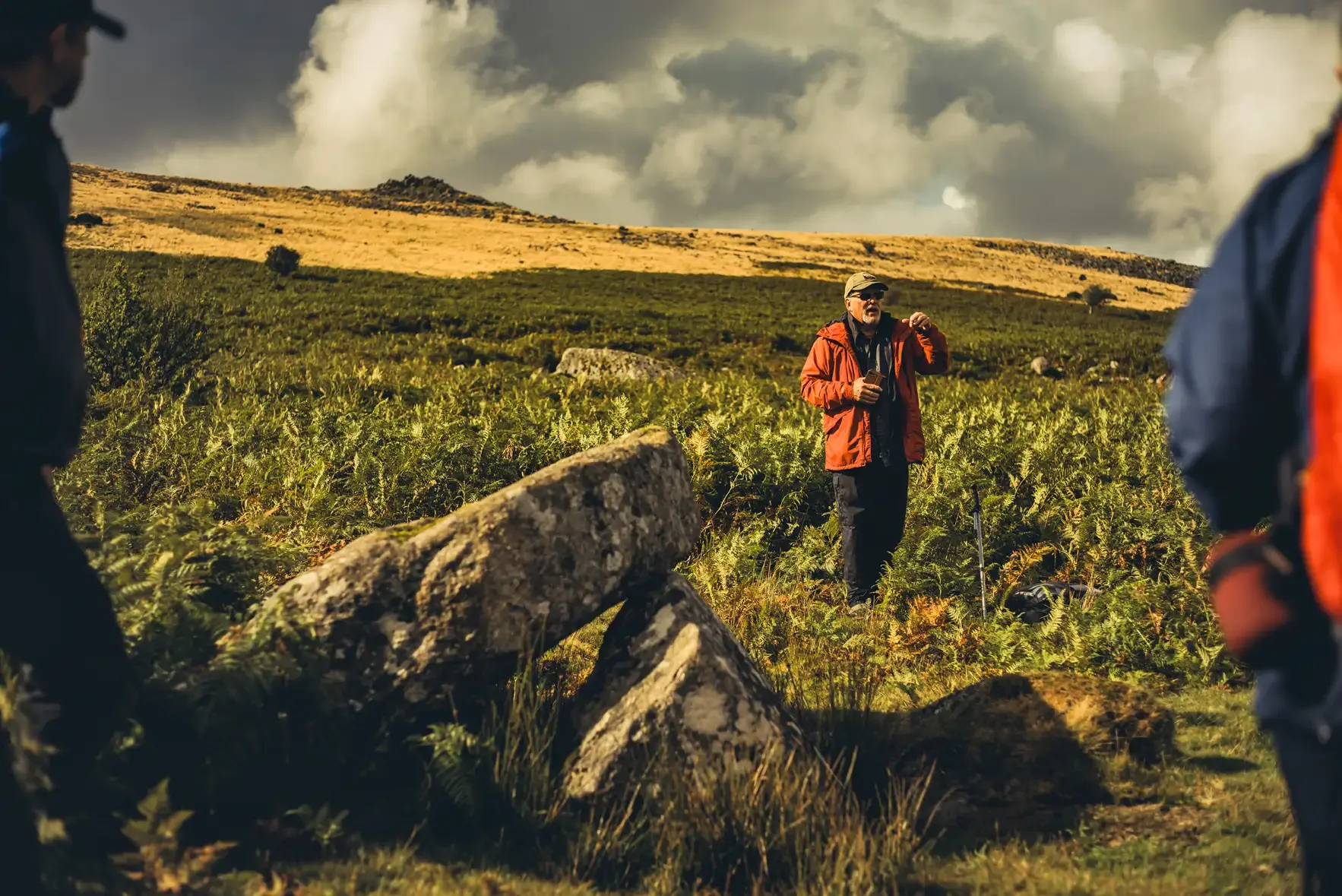
Alan explaining the “Fallen Brothers” Dolmen (It had stopped raining at this point)
As the research continues, the Metheral Circle may yet reveal more about the people who built it and the interconnectivity of the ancient sites on Dartmoor.
But, as Alan said on the walk “Nobody really knows”.
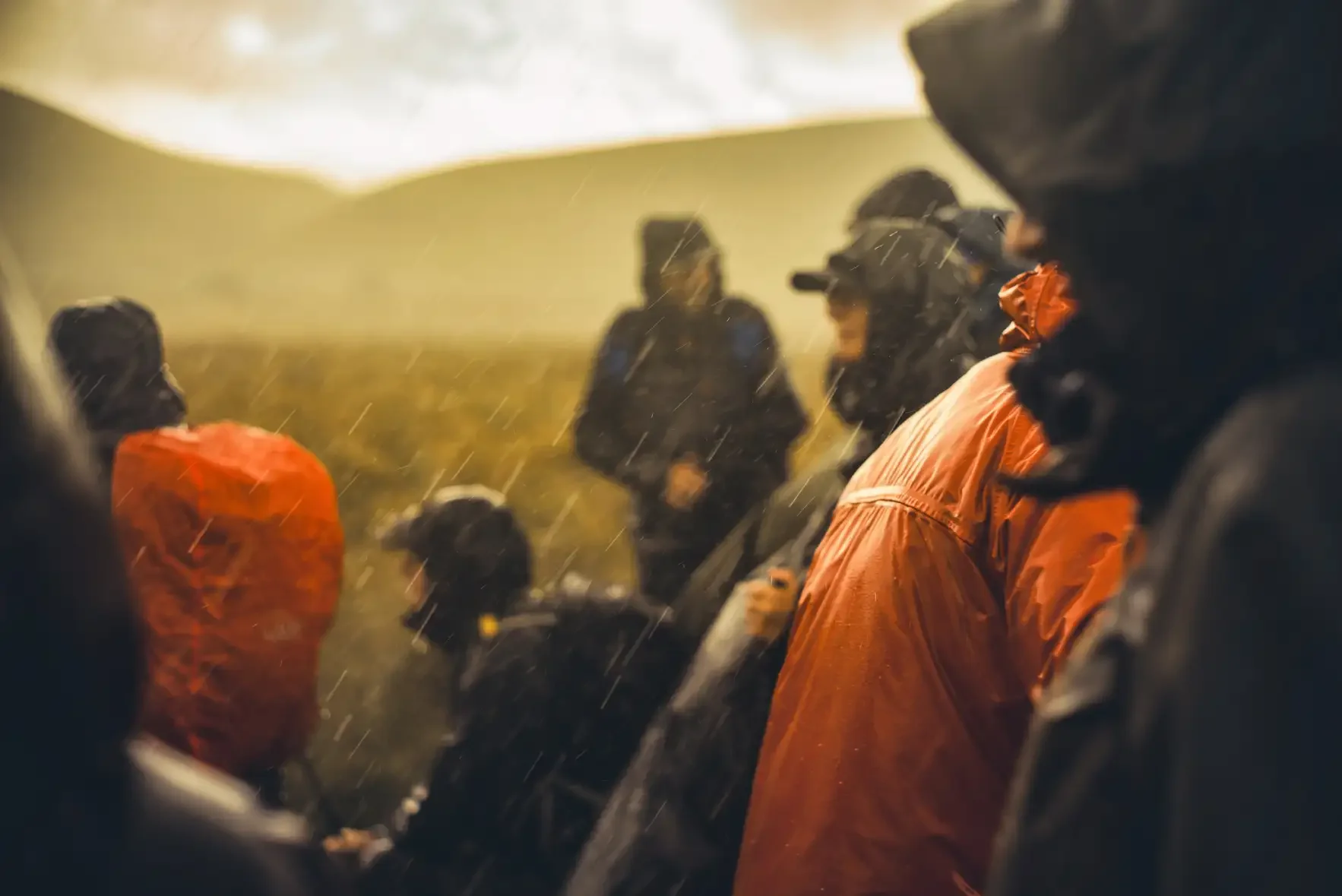
On a personal note, I walked around Taw Marsh with Alan in torrential rain (as can be seen from the photographs) - not exactly the weather to be out on Dartmoor at the best of times, however Alan’s enthusiasm and natural presence made the whole (very soggy experience) an absolute delight.
He is a truly affable, warm hearted and incredibly interesting individual, if you ever have the chance to hear him speak on any of his favourite subjects, or to walk with him, please take that opportunity!
“There are definitely other sites that I want to follow up on,’ he said. ‘We won’t be stopping any time soon.’”
Special thanks also goes to Dartmoor Guide Keith Lambeth of Out There On Dartmoor, who kept us safe on our walk across the marsh 😍
A wonderfully educational wet day on Dartmoor
Further Reading & References
Alan Endacott: Sittaford Stone Circle & Dartmoor Ritual Landscapes Project - Alan’s Facebook Page
Two newly discovered stone circles on Dartmoor boost ‘sacred arc’ theory - The Guardian
Reports on the Neolithic stone circles and Alan Endacott’s work - Smithsonian Magazine
Live Science coverage of the Metheral Stone Circle and related discoveries
Newsweek - Prehistoric Stone Circle Discovery Similar to ‘Early’ Stonehenge
The Brighter Side - 5,000 year-old Stonehenge-like stone circles discovered in England
Legendary Dartmoor - The Sacred Crescent
Legendary Dartmoor - Sittaford Stone Circle
Dartefacts - The Dartmoor Sun Circle
Dartmoor Walks - Guide to Dartmoor Stone Circles
Ancient Origins - More Neolithic Stone Circles Found on Dartmoor, May Form “Sacred Arc”
You’re more than welcome to use my images of Alan, however, please credit Glavind Strachan Photography if you do so 💚📷