To Edit or not To Edit
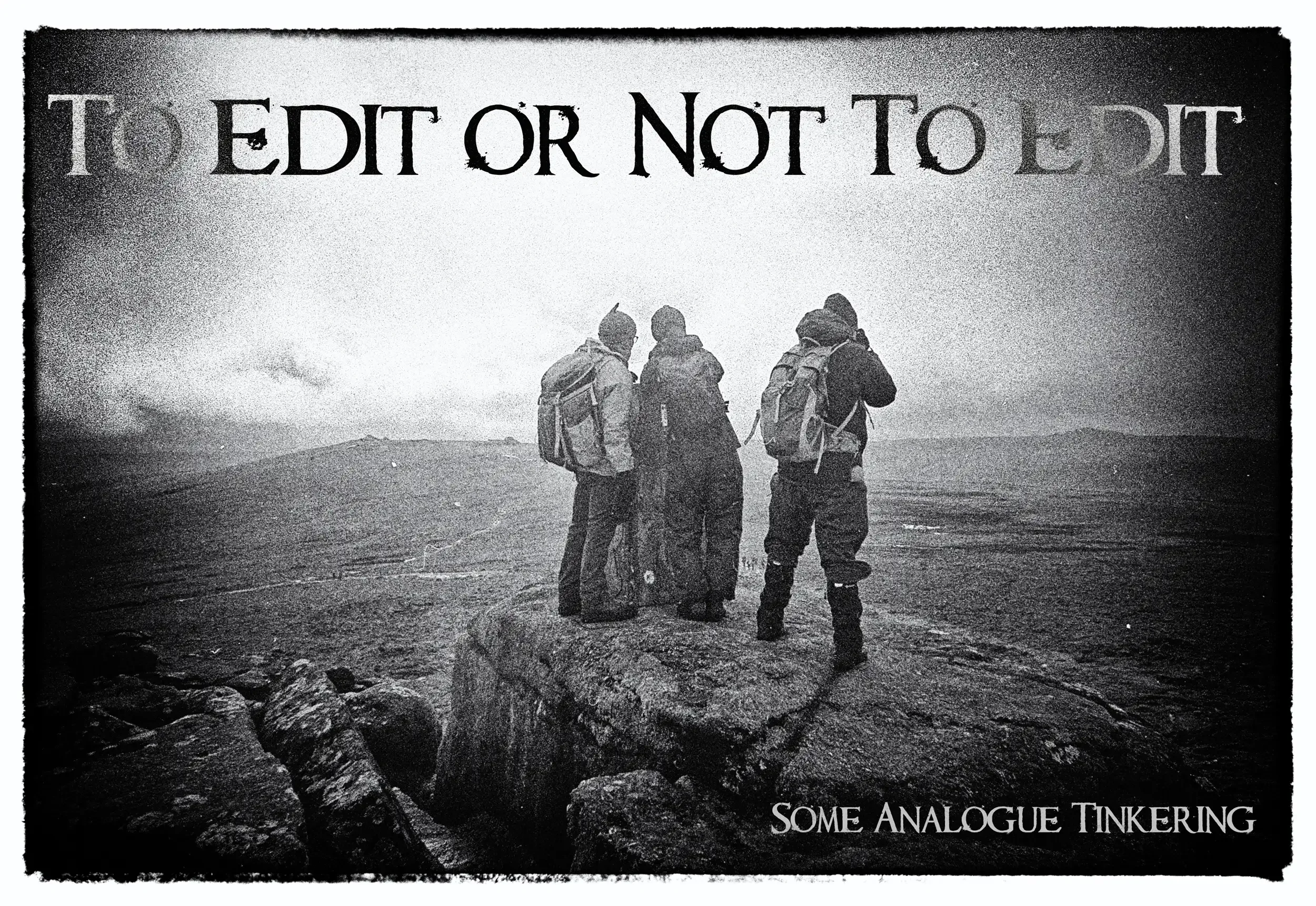
Many people dislike my style of photography or at least my way of editing.
I’m not sure why I should care about that.
Hardly anybody buys my work, so unless you are one of the very few people who do, you have zero right to complain about something I do predominantly for my own enjoyment these days.
I also see many people talk (sometimes with great self assured authority) that digital editing isn’t real photography (I’ll not get into any of the analogue/digital debates - I do both and I have personal opinions, none of which I plan on sharing here). I’ll return to this line of thought once I’ve discussed what led me consider writing on the subject of editing images …
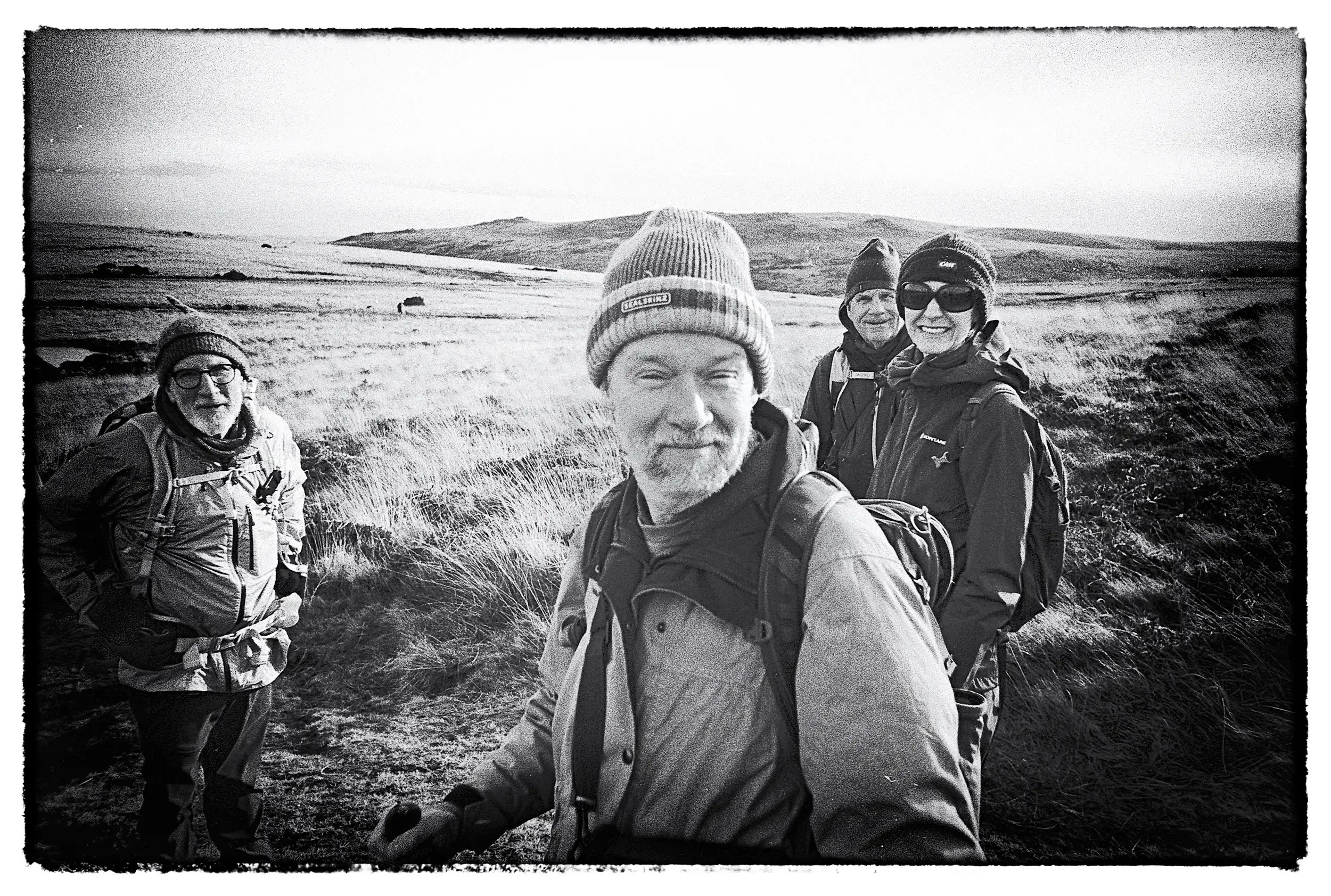
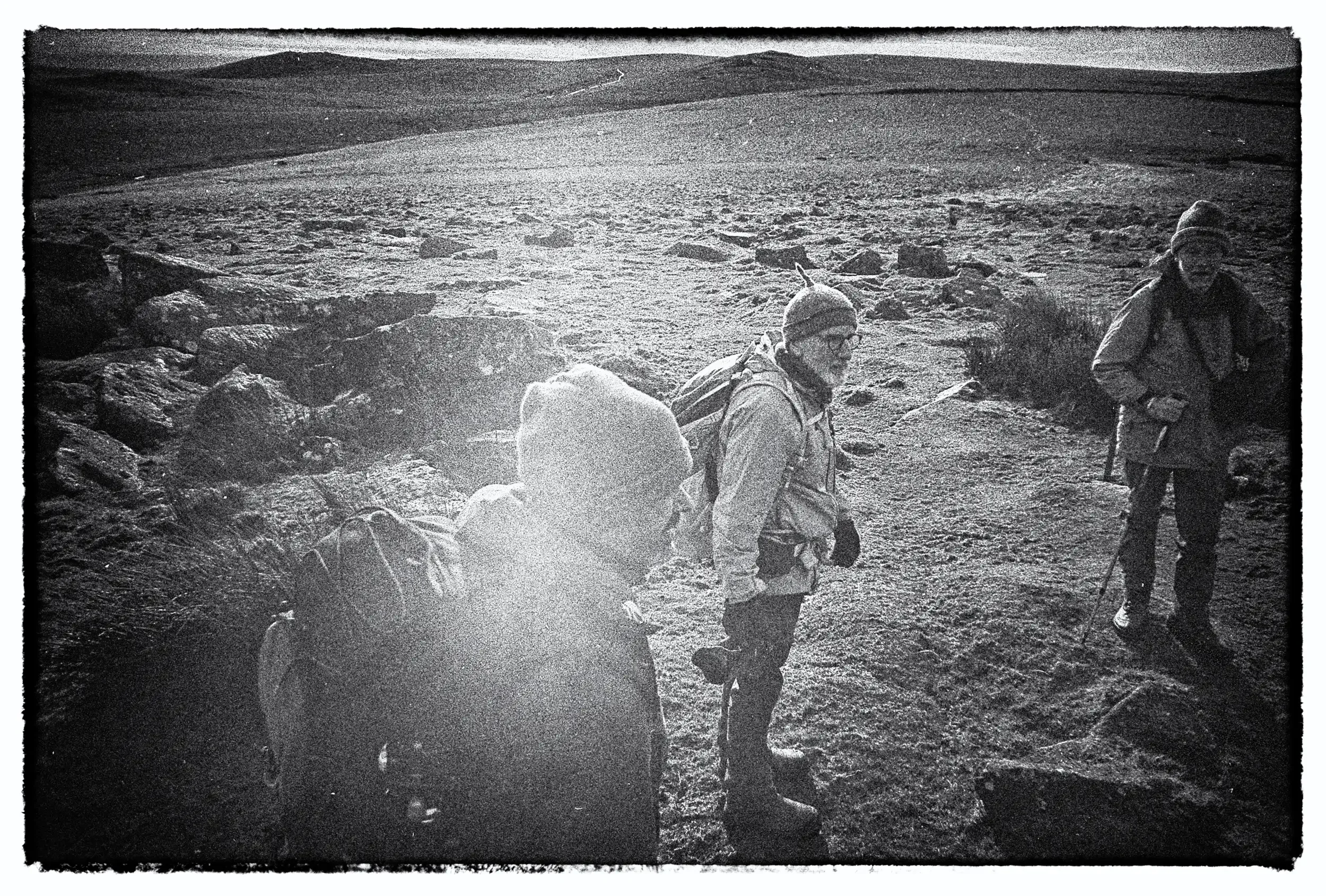
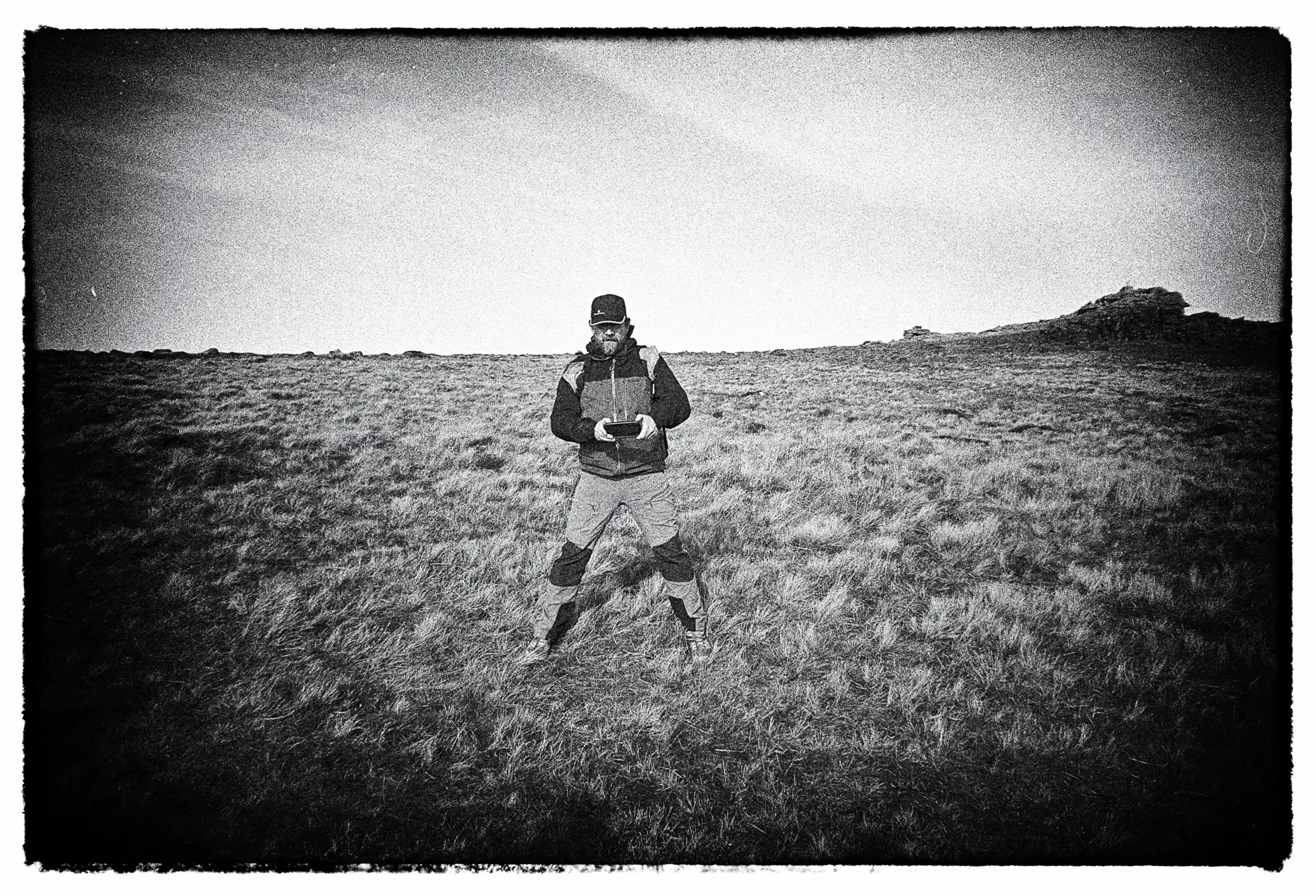
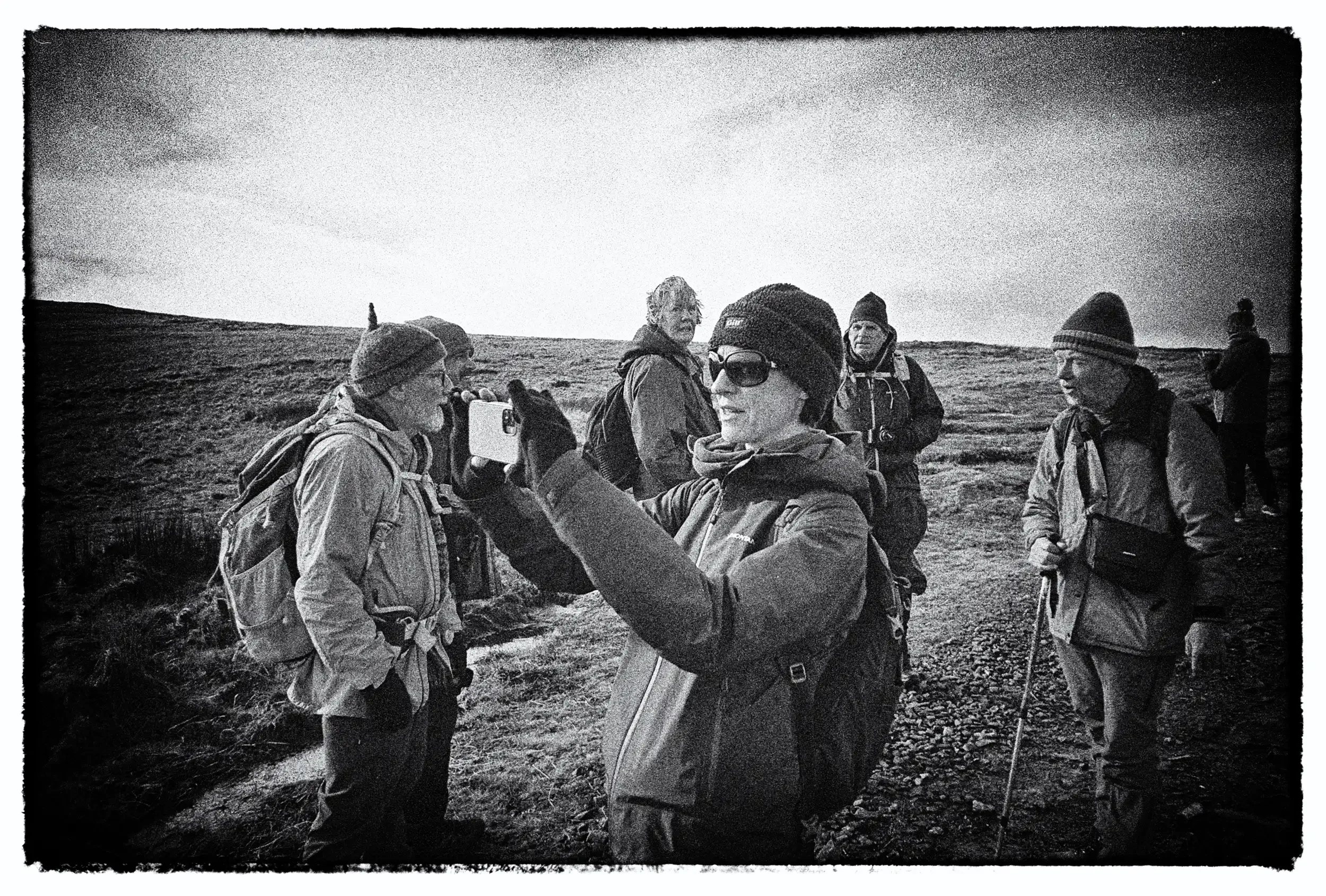
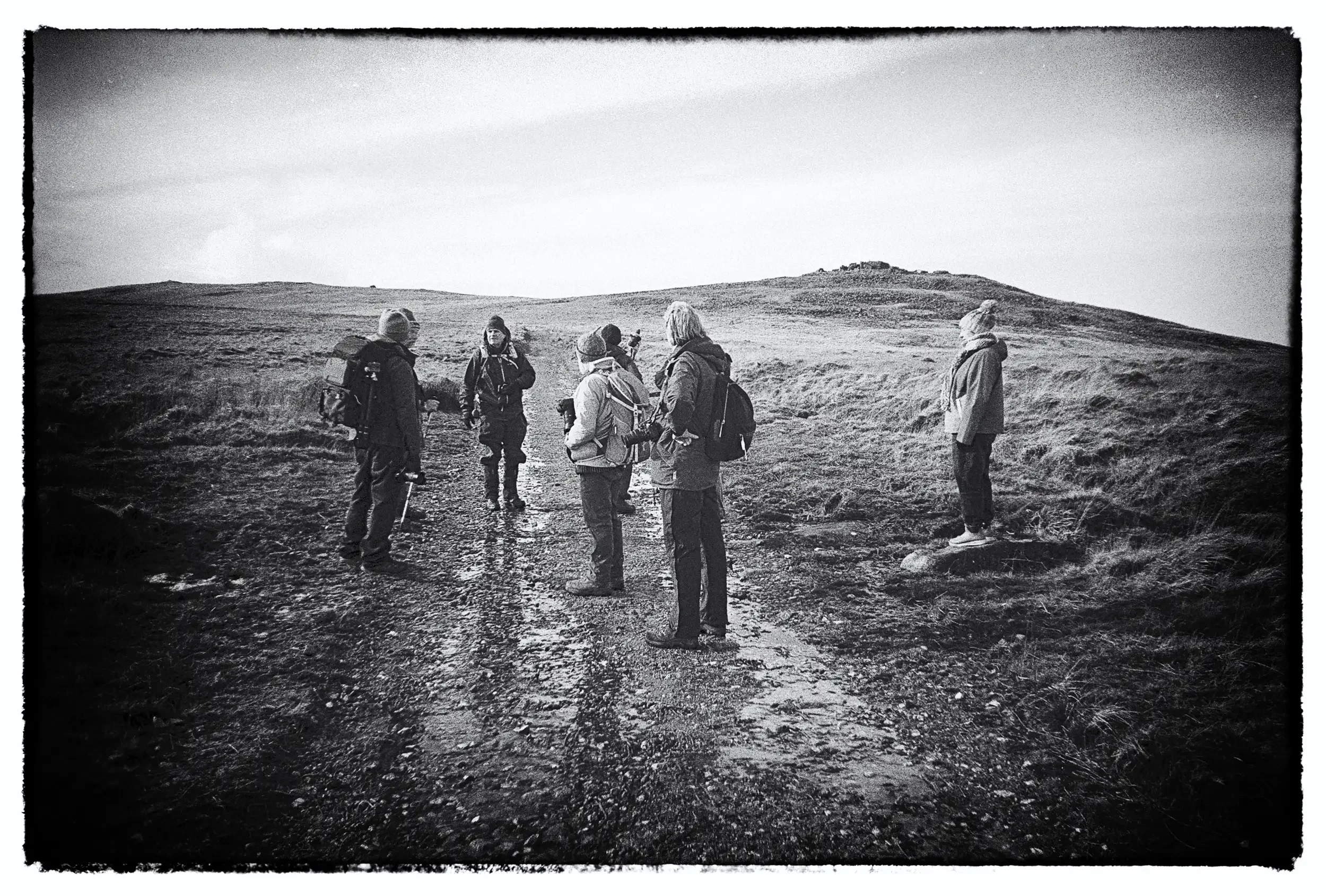
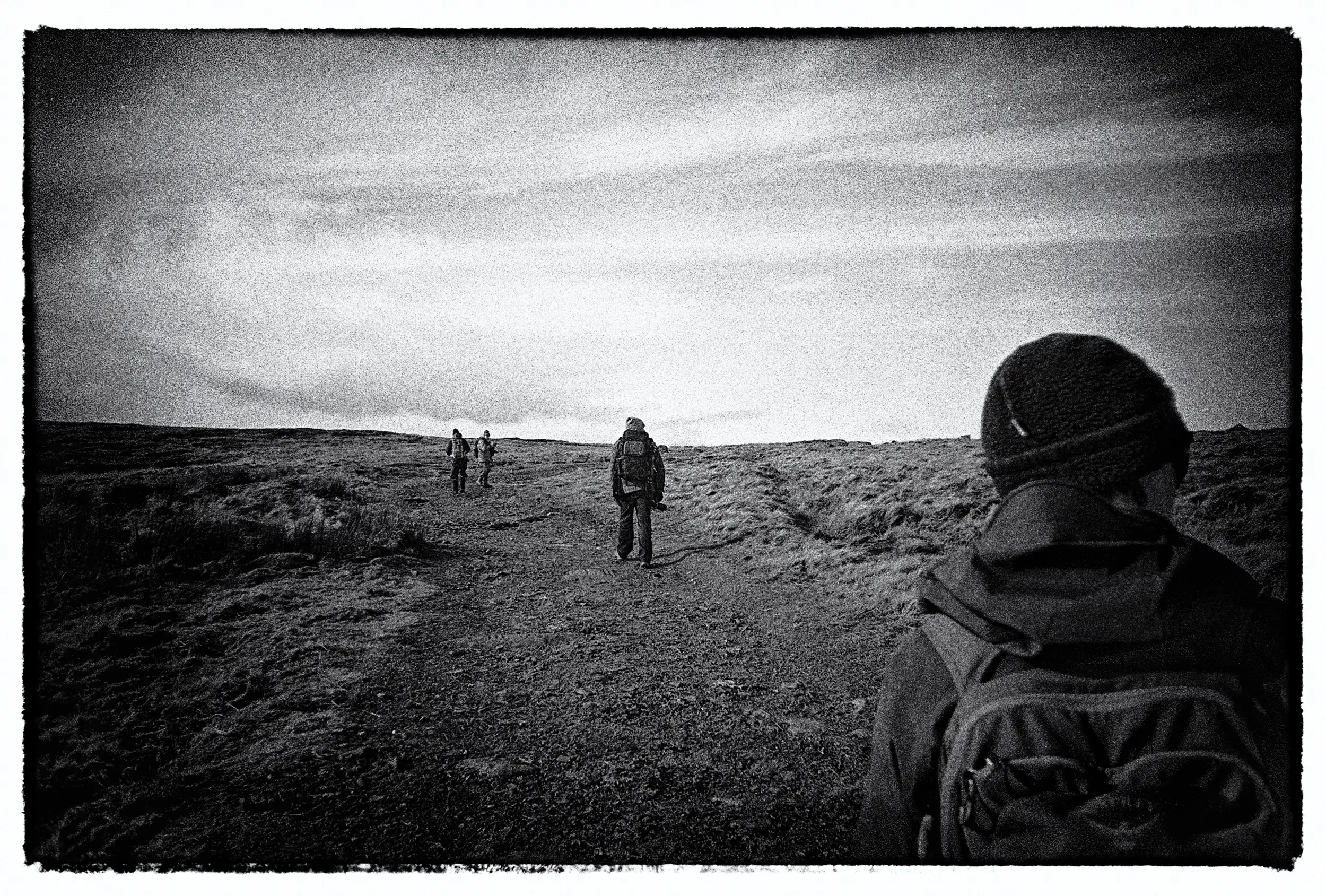
The other day I took an Olympus Trip AF 51 (a Point and Click 35mm film camera) on a jolly to Dartmoor when I organised a group Photography Walk. I’ll get around to posting an article about this soon (have to feed those SEO algorithm’s 😂)
I’d managed to get the aforementioned little silver beast from eBay for less than £20 … and it had never been used - still in it’s original box! Even better, when I put batteries and a roll of Ilford HP5+ in … it worked.
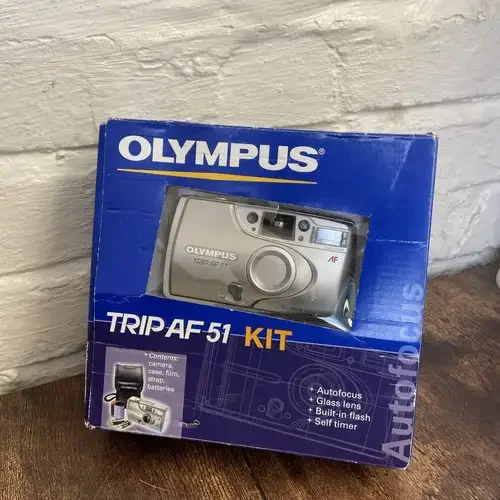
The Olympus Trip AF51 - released in 2002
Better still, when I processed the roll of film (Rodinal - 1:25 for 6 minutes) I got negatives.
Were the images great? That’s certainly debatable, a film camera (and a compact, fixed lens point and click at that) was obviously designed for the colour film market, rather than some arty farty black and white.
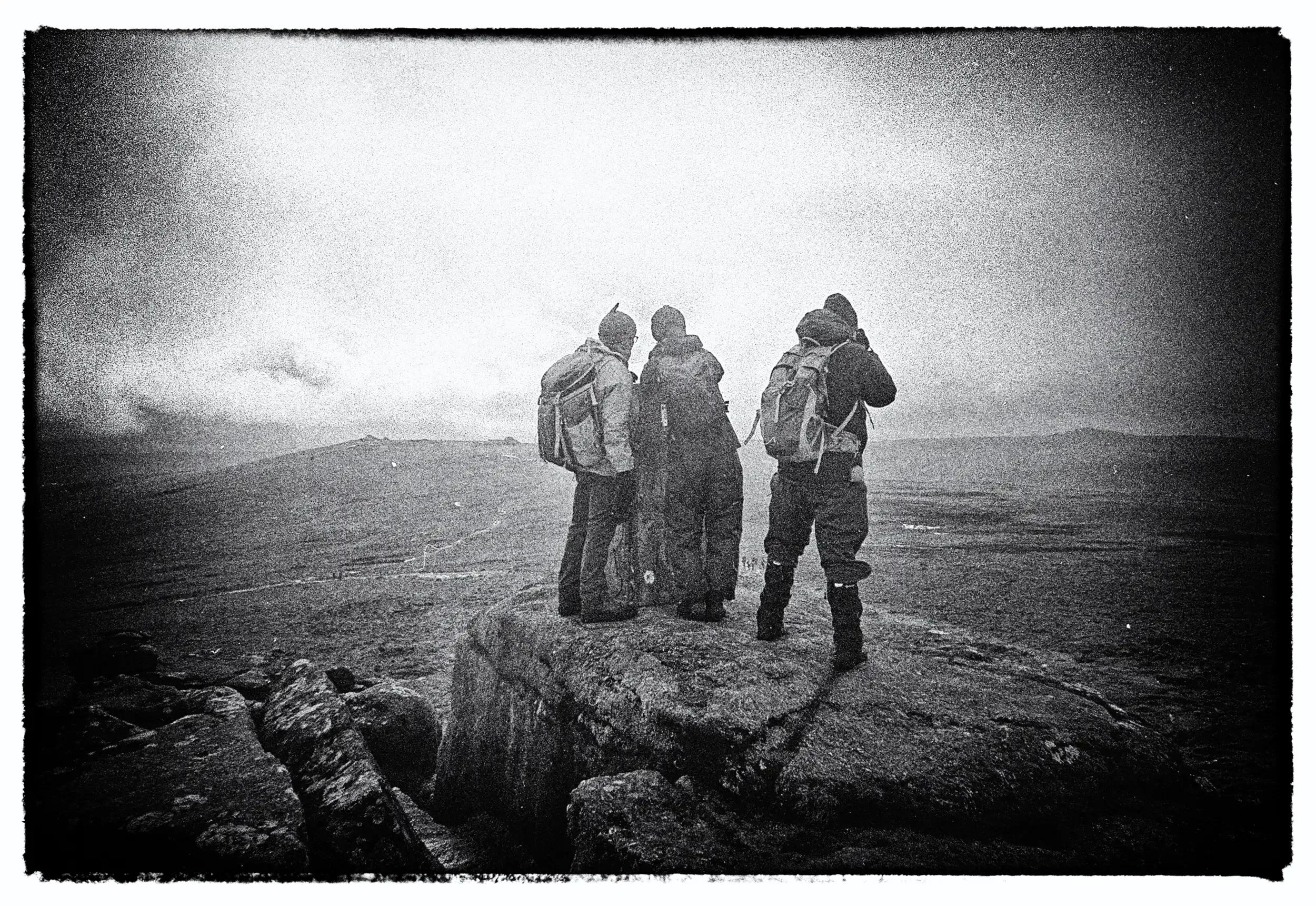
Scanned in my Plustek Optic Film 8200i the images looked a little flat when I opened them up in Photoshop, so I tinkered with them in Silver Efex Pro 3 (I’m too broke to update).
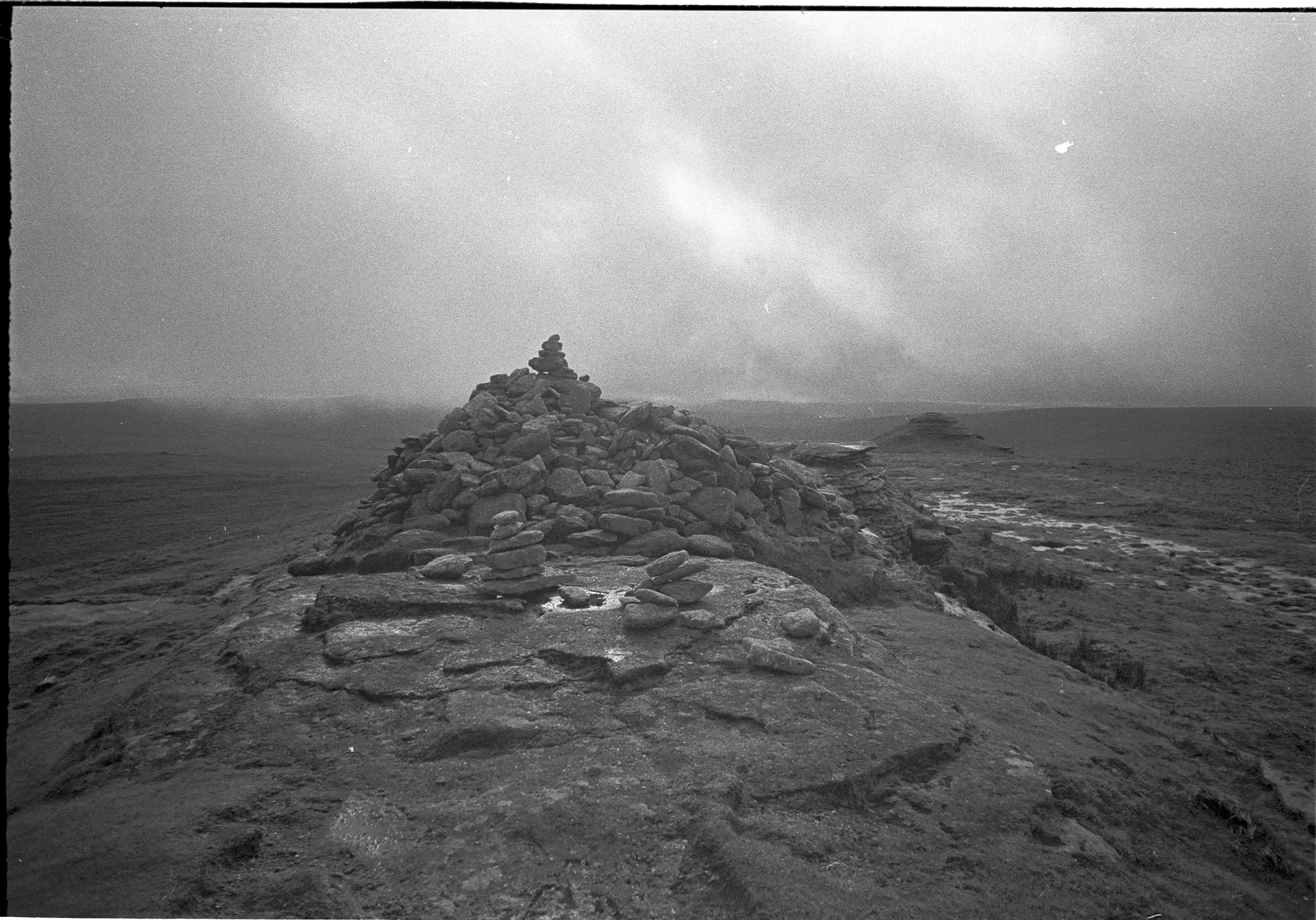
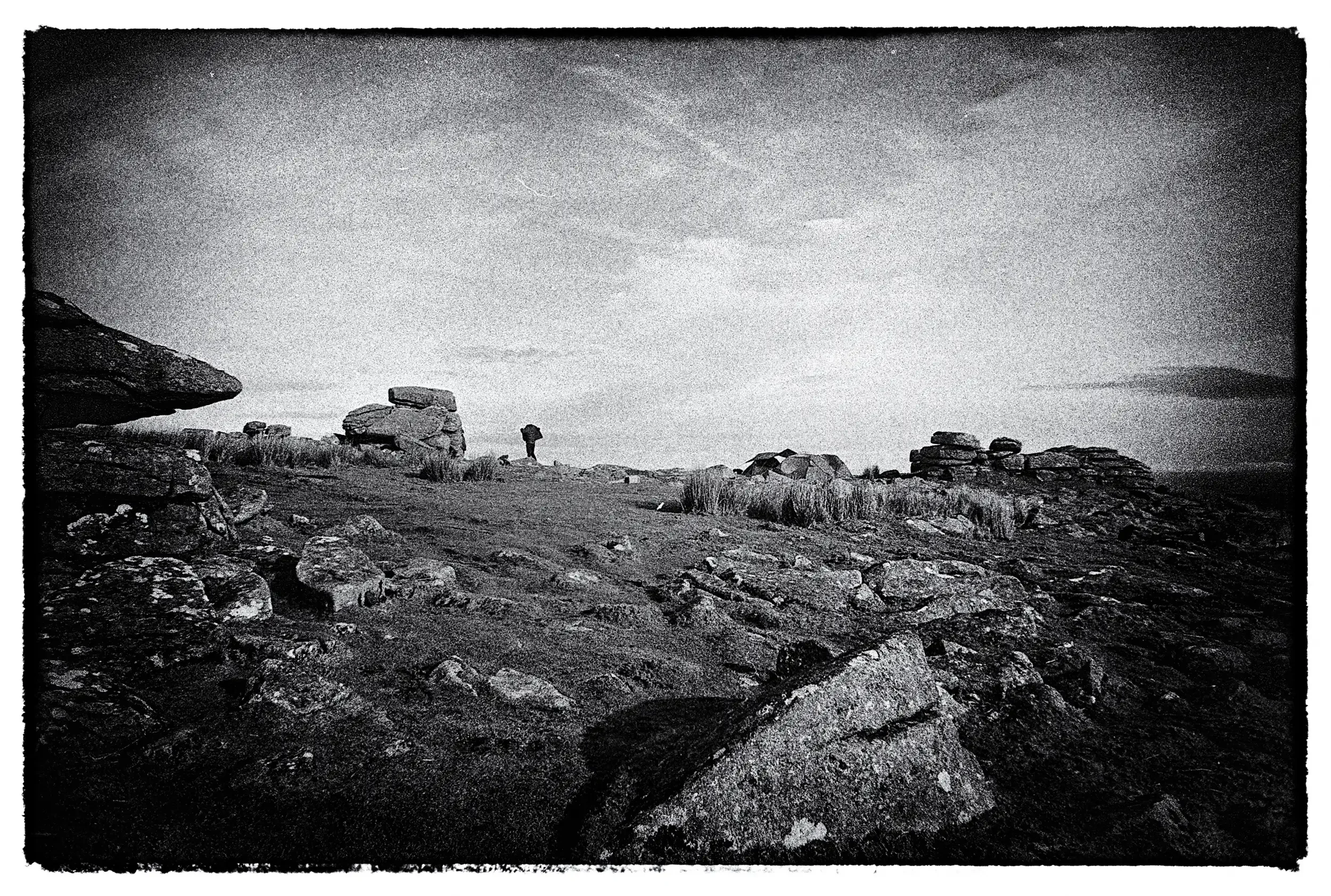
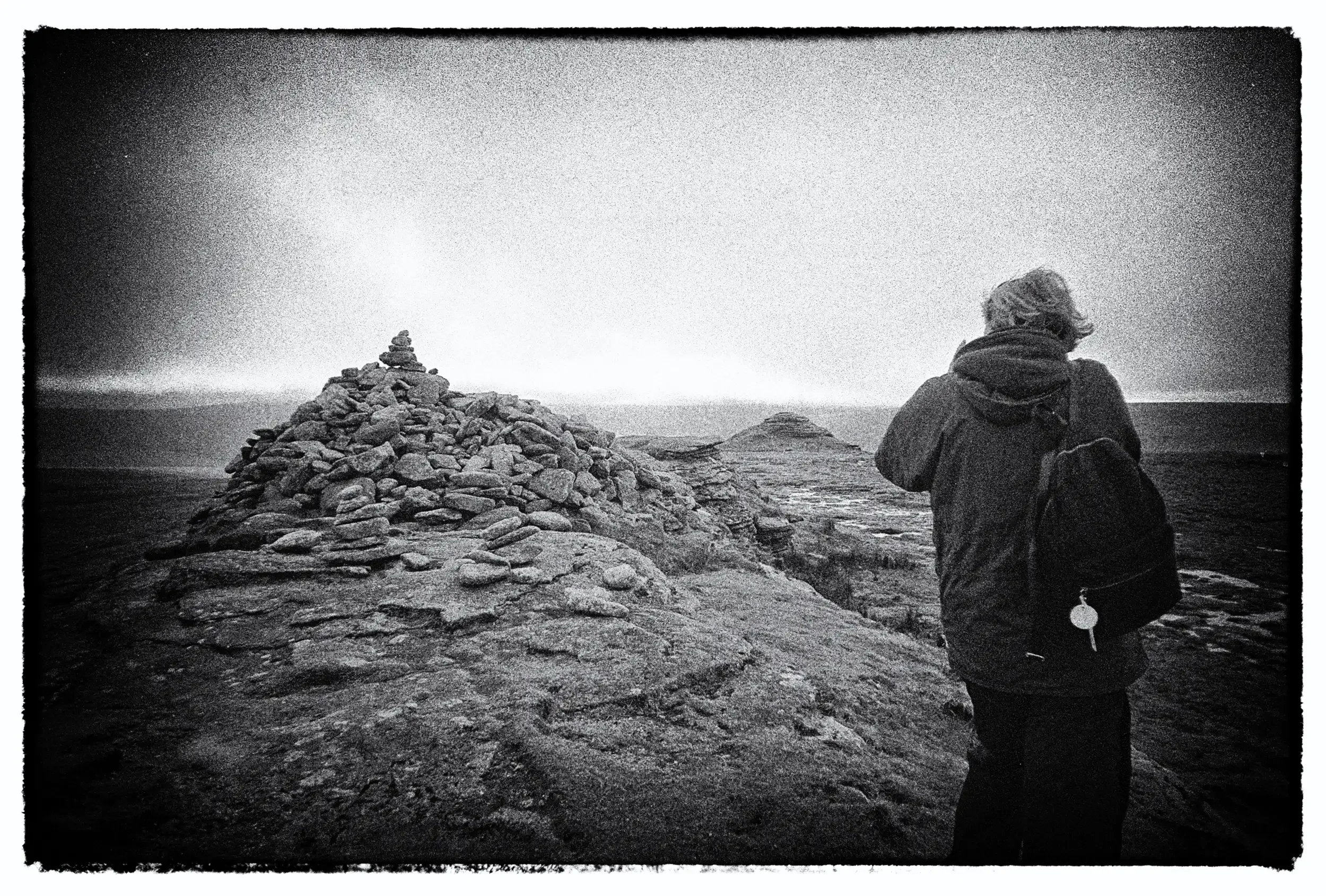
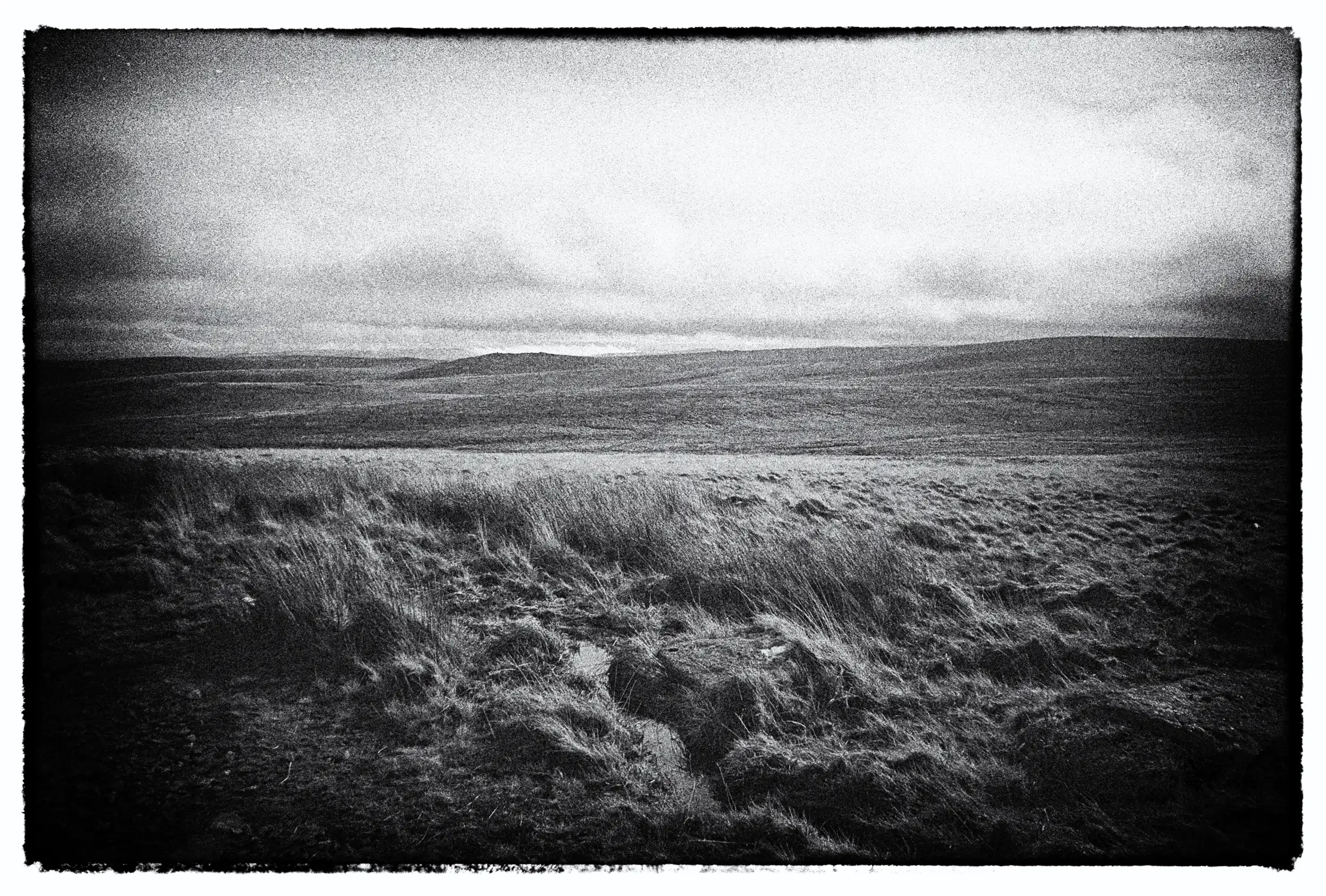
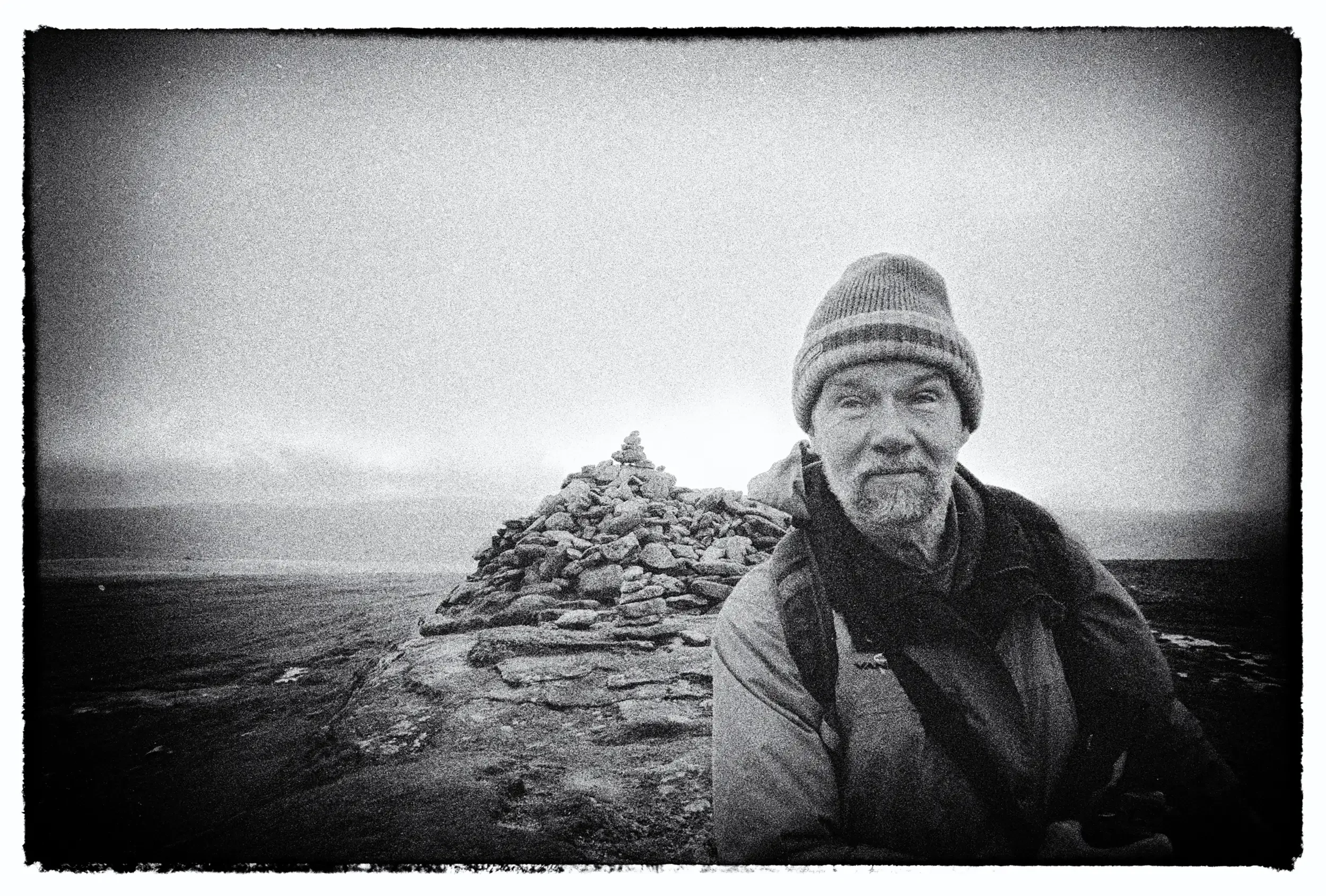
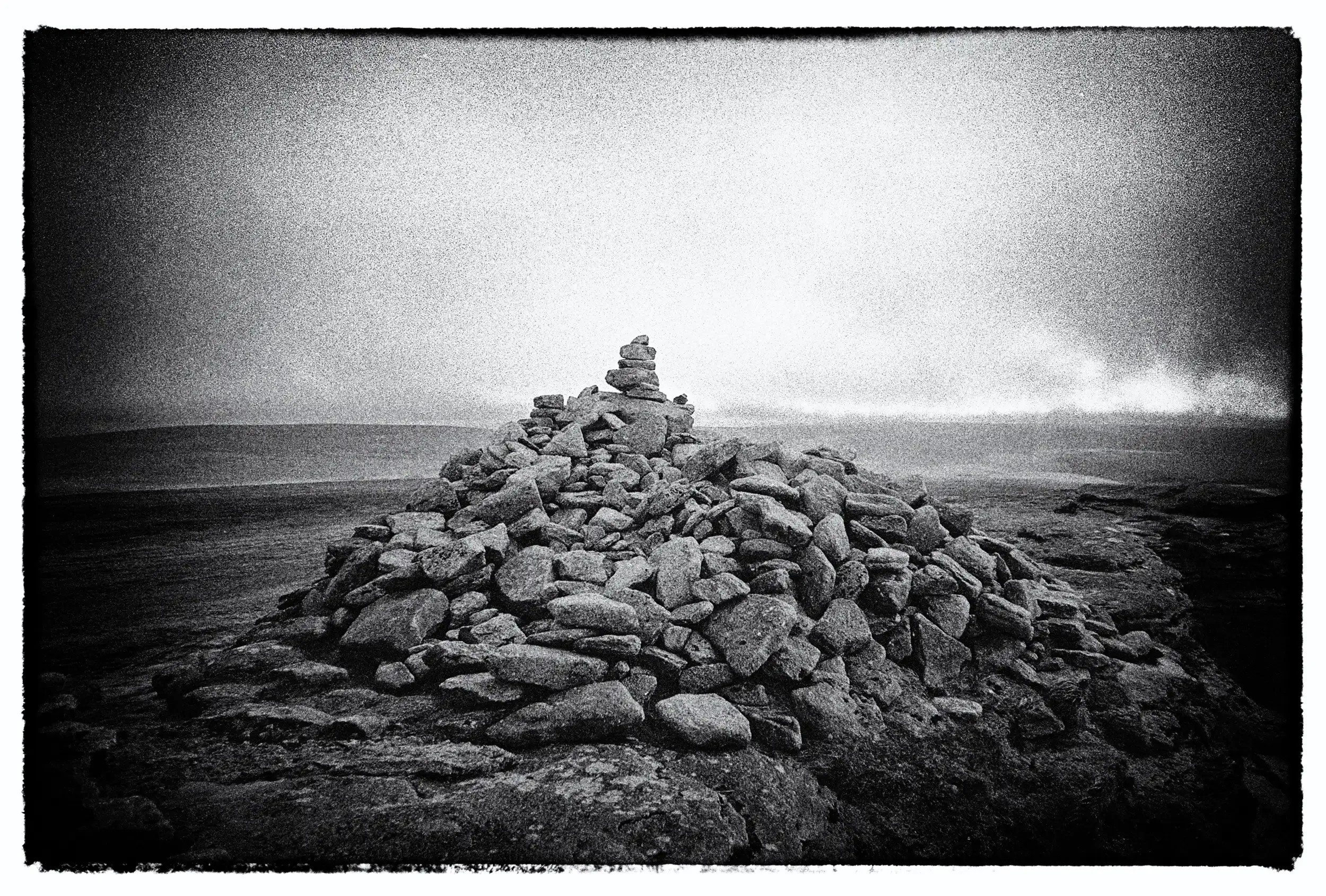
High Willhays the highest point on Dartmoor - shot on Ilford HP5+ and developed in Rodinal.
Absolutely nothing wrong with this as image, also absolutely nothing wrong with having a good tinker!
Whilst I was tinkering, a chat I had with one of the participants of the Photography Walk concerning street photography came to mind.
The chap had grown up taking photographs in London and had enjoyed street photography whilst there. This reminded me of when I had started out shooting film in Plymouth and I had enjoyed urban/architectural stuff, as well as gigs.
I was never a big fan of street photography, partly as I was quite a shy teenager and partly because I didn’t want to get thumped for shoving a camera into people’s faces 😂
As I usually do, I digress, anyway, I always enjoyed push processing.
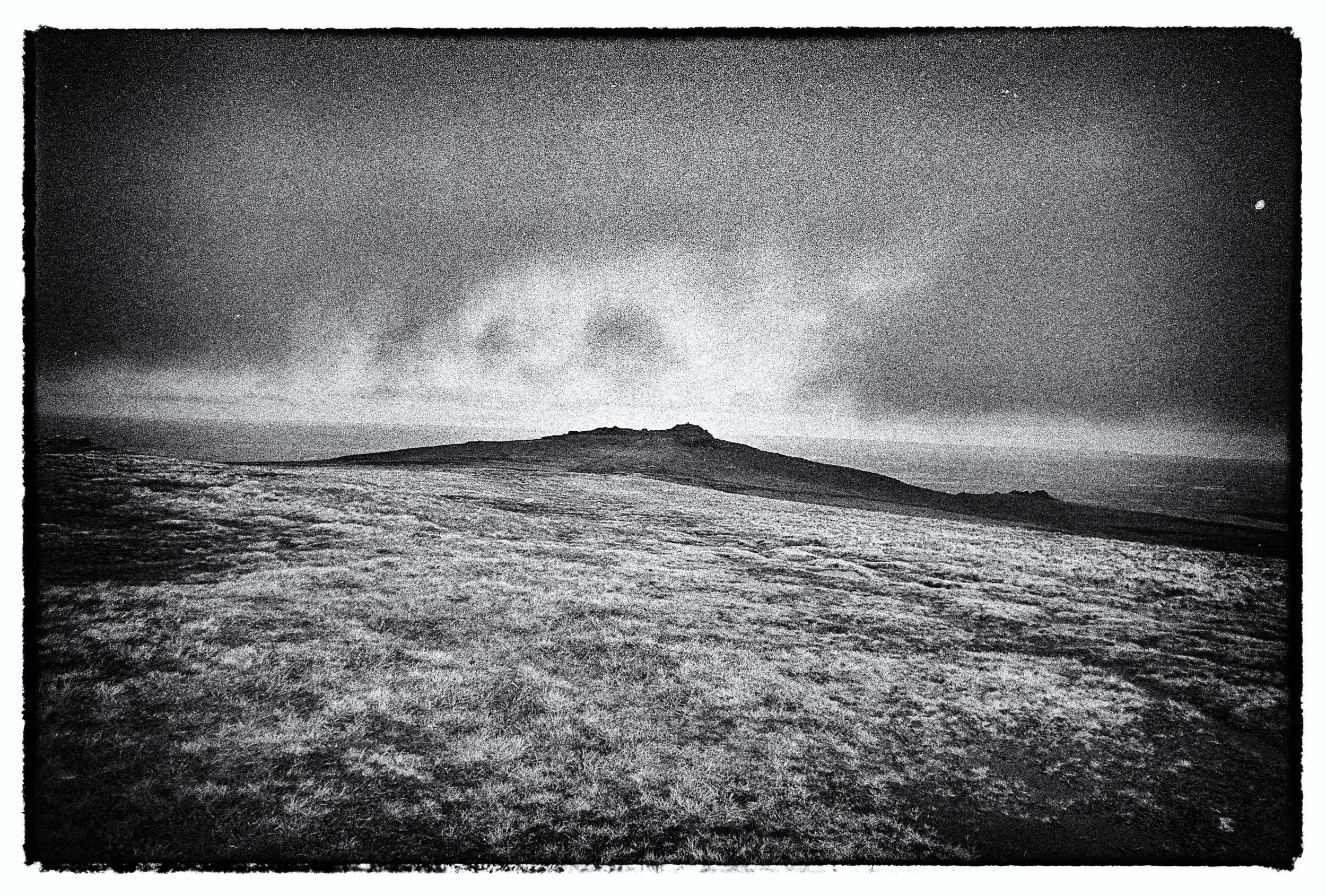
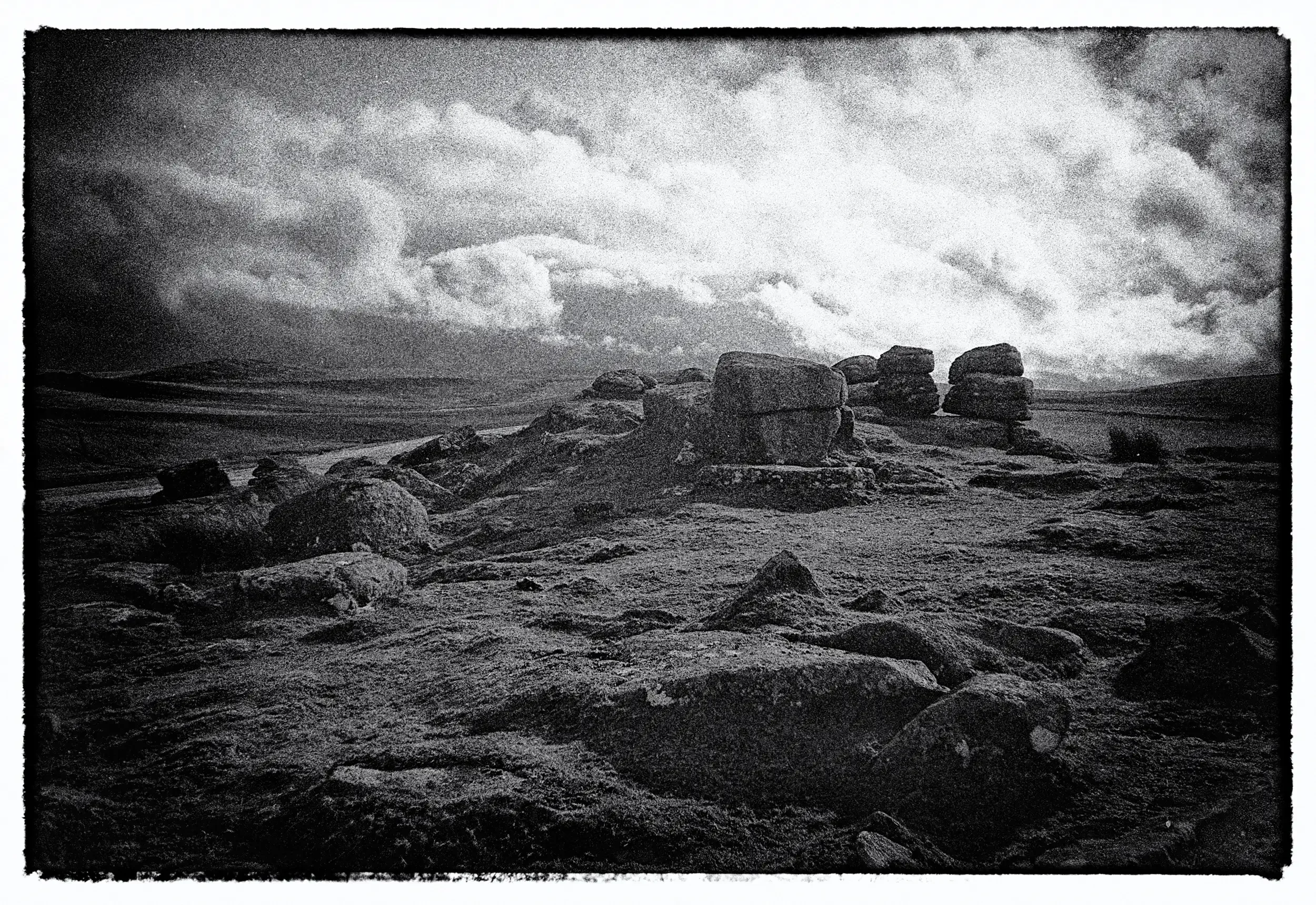
The process of shooting film at a much higher ISO than it was made for. This usual lead to some rather splendid grainy results (a little reminiscent of street photography) … anyways, I decided I liked this edit.
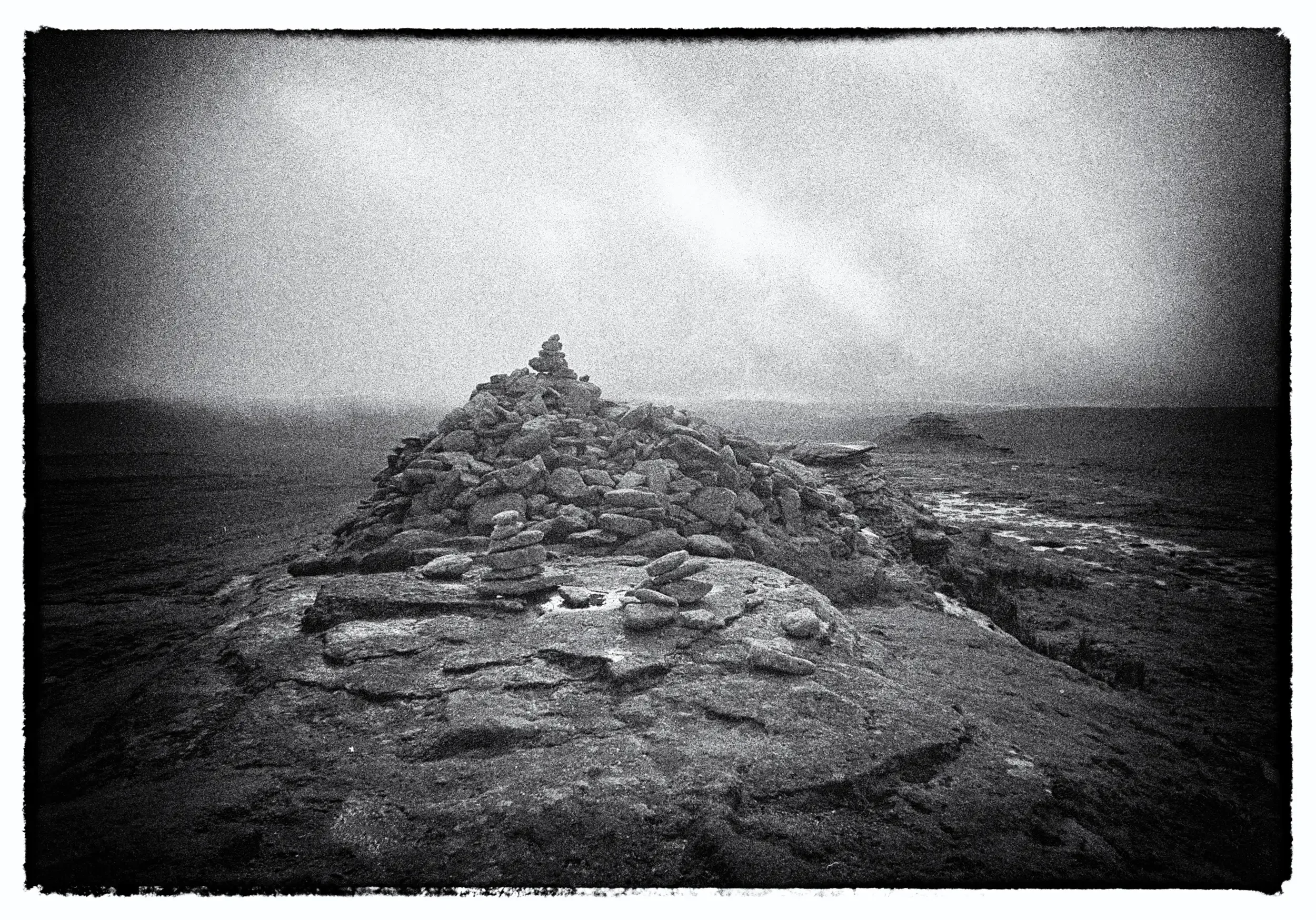
Bit of contrast and a lot of grain … this pleases me.
So, back to the question of whether you should edit your photographs or not.
I’d really like to address the idea that not editing is in some way better than editing.
*It isn’t.
Whatever you choose to do with “your” photograph is up to you - even if I hate it.
There’s a whole subsection of photographers who claim that they don’t edit their digital photographs, that their SOOC (Straight Out Of Camera) image is infinitely better than something that’s been edited.
Well, here’s the thing.
There is really no such thing as an unedited SOOC.
The best (if maybe not the most technically correct) example of what I’m attempting to get at, is when somebody shoots an image with an iPhone.
Brilliant photographs, usually taken by people who think it’s fine to pay 3 times as much for the same technology you find in an Android phone (I’m rage-baiting here, I really don’t care) - the reason your iPhone images look amazing is because the guys who wrote the software that builds that image (the software that goes “oooh they’re taking a photograph of a sunrise/sunset - lets chuck in some more warm oranges and reds here and there”) has “edited” your image.
The Jpeg that your camera creates when you point your camera at something and take a photograph is processing data and presenting you with an image based on that processing decision in order for the files to be compatible with the Jpeg format, and therefore readable by things like Internet Browsers.
It’s been edited.
Regular digital camera users will instantly recognise which manufacturers camera certain images were taken with.
Here’s a quick breakdown of how each manufacturer approaches how they “process” to jpeg.
Colour Science Approach
Fujifilm: Use decades of film manufacturing experience to create distinctive film simulations
Canon: Main goal is pleasing, warm skin tones for portraiture
Nikon: Aims for accuracy and vibrancy
Sony: Focuses on technical accuracy over aesthetic preference
Sharpening Strategy
Canon & Leica: Subtle, natural sharpening
Nikon: More aggressive edge enhancement
Fujifilm: Balanced approach that varies by film simulation
Sony: Only moderate sharpening, much better in newer models
Noise Reduction Philosophy
Conservative (Canon, Pentax, Leica): Preserves detail at cost of some noise
Aggressive (Sony at very high ISO): Cleaner images but potential detail loss
Artistic (Fujifilm): Can add pleasing grain structure intentionally
Customization Options
Most flexible: Fujifilm (Film Simulations), Nikon (Picture Controls), Canon (Picture Styles)
Most computational: Olympus/OM System (Art Filters, Live Composite)
Most minimal: Leica (fewer adjustments, natural rendering - if you can afford one)
Even if you extend the idea of SOOC to raw files, what’s commonly described as a digital negative, there’s a whole load of processing going on here (anybody who has had to install an additional plugin to get a raw file to even display on their PC, will soon realise a Canon raw file is not the same as a Sony raw file - they all have been “processed” in some way, and that way is not the same way)
Presumably people who have never been into a darkroom will tell you great photographers would never use Photoshop - those people need to read this:
Marked Up Photographs Show How Iconic Prints Were Edited in the Darkroom
or this article from 2015 (the 25th Anniversary of Photoshop)
If you read those, or you’ve ever spent any time in a darkroom, you’ll realise that editing (in some form is everywhere).
That’s also not to say the exponents of the “if you don’t edit your images, you’re an idiot” viewpoint are any more right.
Having spent a lot of time taking photographs, working in a darkroom as well as serving in a camera shop I can confidently say that a fair number of (loud) photographers are assholes.
If photography is your hobby or just something you love to do now and again (or even your profession) don’t let anybody tell you you’re doing it wrong.
*All photography in some way is editing, just using different tools and differing methods.
Whatever you decide to do - leave your images as they were … edit them mercilessly, scan physical negatives or print them in a darkroom.
It’s all equally valid and not a single process or activity is either better or worse.
The preference is yours, it’s subjective and any photographer’s opinion need only be given when asked for.